What do French People Eat for Christmas? The French Christmas Meal Menu
Discover what French people eat for Christmas, from Champagne and oysters to foie gras and the iconic bûche de Noël – and how to recreate a festive French meal at home!

From the apéritif to dessert, follow us as we take you through a traditional French Christmas menu, course by course, with tips and recipes to help you bring a taste of France to your holiday table.
French Christmas Meal: Christmas Eve Dinner or Christmas Day Lunch?
First things first: when do French people celebrate Christmas? In France, the most important Christmas meal is traditionally associated with Christmas Eve, December 24, and is known as le Réveillon de Noël. The name refers to a long celebratory meal that can continue late into the night. That said, there is no universal rule. Some families celebrate with a large meal on Christmas Day, while others divide the festivities between the two days, often spending Christmas Eve with one side of the family and Christmas Day with the other.
The Traditional French Christmas Menu 🎆
A traditional French Christmas menu is usually a succession of courses rather than one large plate of food or a buffet. The French Christmas meal often begins with an apéritif, followed by one or more starters, a main course, cheese and dessert.
The Apéritif – French Christmas Appetizers 🍷
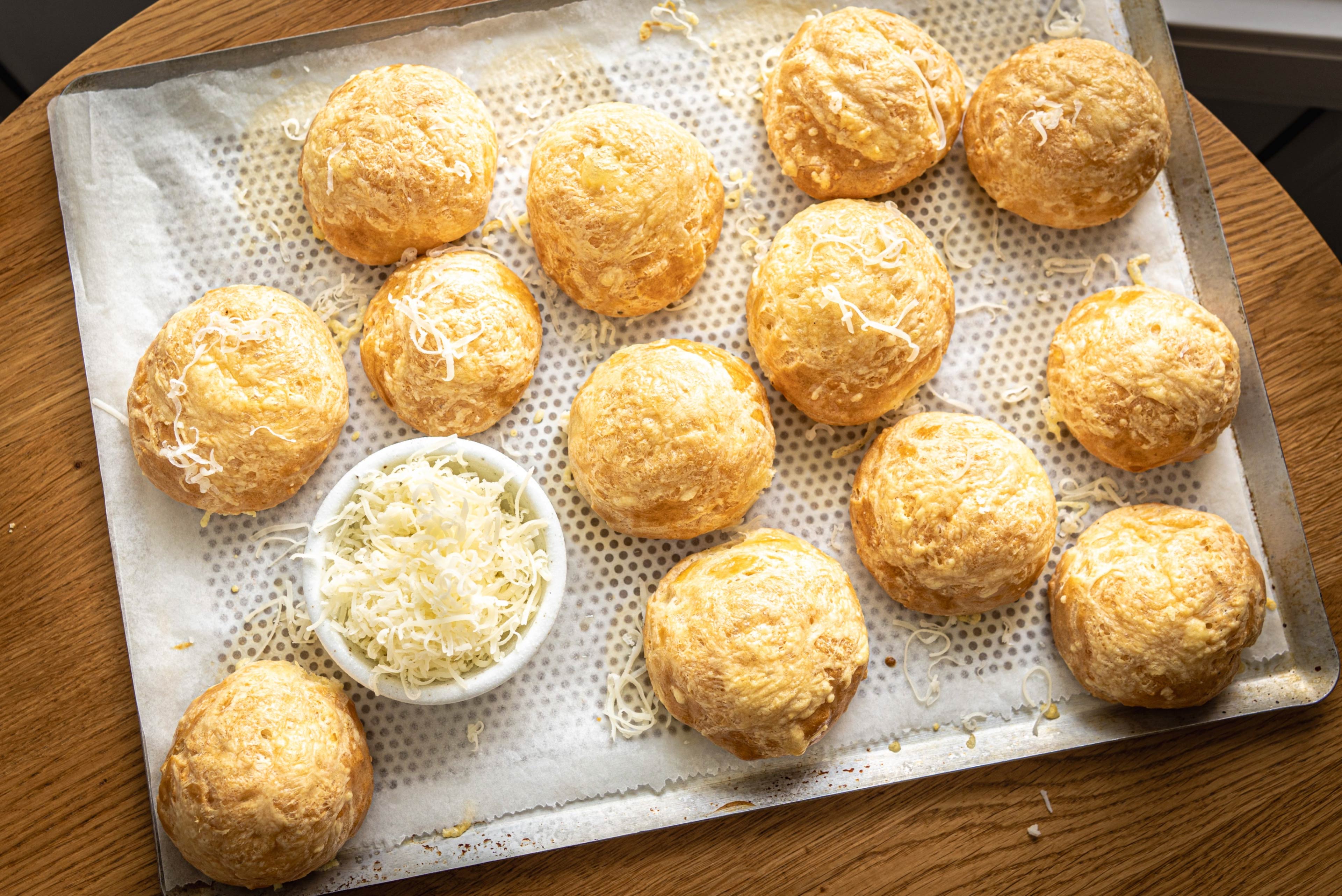
The French Christmas meal often begins with l'apéritif: drinks and small hors d’oeuvre enjoyed before everyone sits down to the main meal. Festive nibbles include smoked salmon toasts, canapés topped with foie gras, fish roe or even French caviar, feuilletés (mini savoury pastries), blinis or gougères – the delicious French cheese puffs made from choux pastry.

For something a little different, hosts may serve a pain surprise, a large round loaf filled with small sandwiches, or get creative with homemade verrines, small individual glasses filled with savoury combinations. The Christmas apéritif can last quite a while, but you don't want to eat too much because there are many courses ahead!
For drinks, Champagne and other French sparkling wines such as Crémant d’Alsace or Crémant de Loire are a natural choice for Noël celebrations. They can be served on their own – and while flutes may be the traditional choice, other glass shapes can actually better showcase sparkling wines – or used to make a Kir Royal with crème de cassis.

Starters – Seafood and Foie Gras 🦪
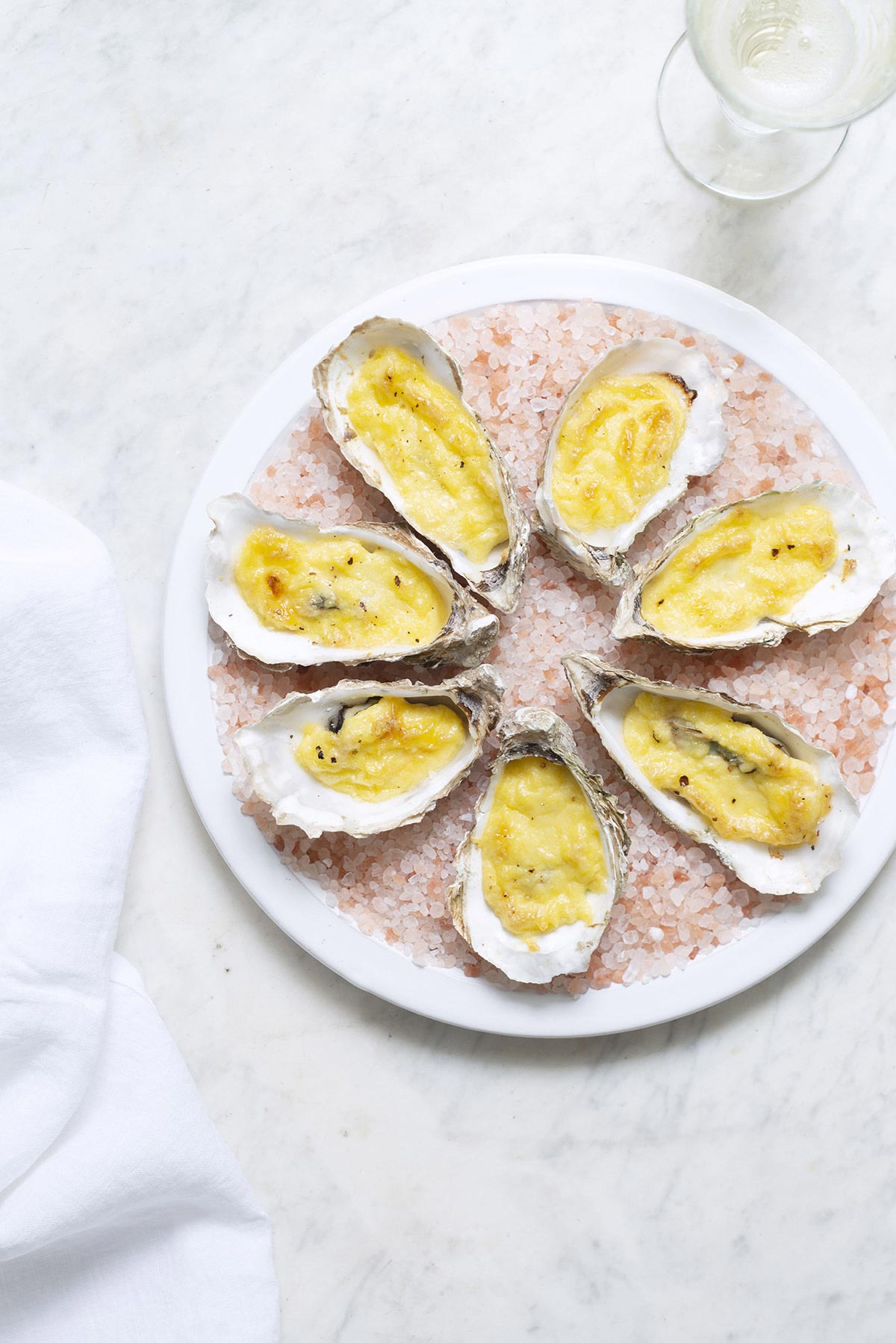
When it comes to French Christmas starters, seafood is hard to beat. French oysters are a festive favourite, often served simply with lemon or French shallot vinegar alongside rye bread and salted butter, or prepared hot for a richer take on this classic.

A seafood platter, or plateau de fruits de mer, can also bring together oysters, prawns, crab, langoustines, lobster, whelks and sea urchins. It is a spectacular centrepiece for a Christmas table and allows everyone to pick and choose their favourites. French scallops, or coquilles Saint-Jacques, are another popular choice for a special-occasion starter. They can be simply pan-seared (poêlées), served in their shells or incorporated into more elaborate festive recipes.


Foie gras is another emblematic food of the French Christmas table, whether made from duck (foie gras de canard) or goose (foie gras d’oie). It is commonly served as a terrine or mi-cuit, in slices with toasted brioche or gingerbread (pain d'épices), and accompanied by fig chutney or onion confit. When serving it, place a slice gently on the toast rather than spreading it, as you would pâté. A sweet wine such as Sauternes makes a classic pairing.

Other festive starters might include pâté en croûte, a refined pâté baked in a pastry crust, or a warming winter soup such as chestnut velouté or a creamy soup made with pumpkin or root vegetables.


Main Dishes – Poultry and Festive French Sides 🥘
For the main course, poultry has a particularly strong place in French Christmas traditions. Dinde aux marrons, or turkey with chestnuts, is one of the best-known combinations, while roast capon (chapon) is another classic choice for a special Christmas table. Guinea fowl (pintade) is another popular choice, while goose has strong Christmas associations in Alsace and duck is deeply rooted in the culinary traditions of southwestern France. The poultry may be stuffed with chestnuts, mushrooms or even foie gras or truffles.
The poultry is usually accompanied by a generous selection of side dishes, from roasted potatoes and chestnuts to mushrooms and green beans. Gratin dauphinois, with its layers of potato and cream, is another particularly indulgent choice for a festive table.

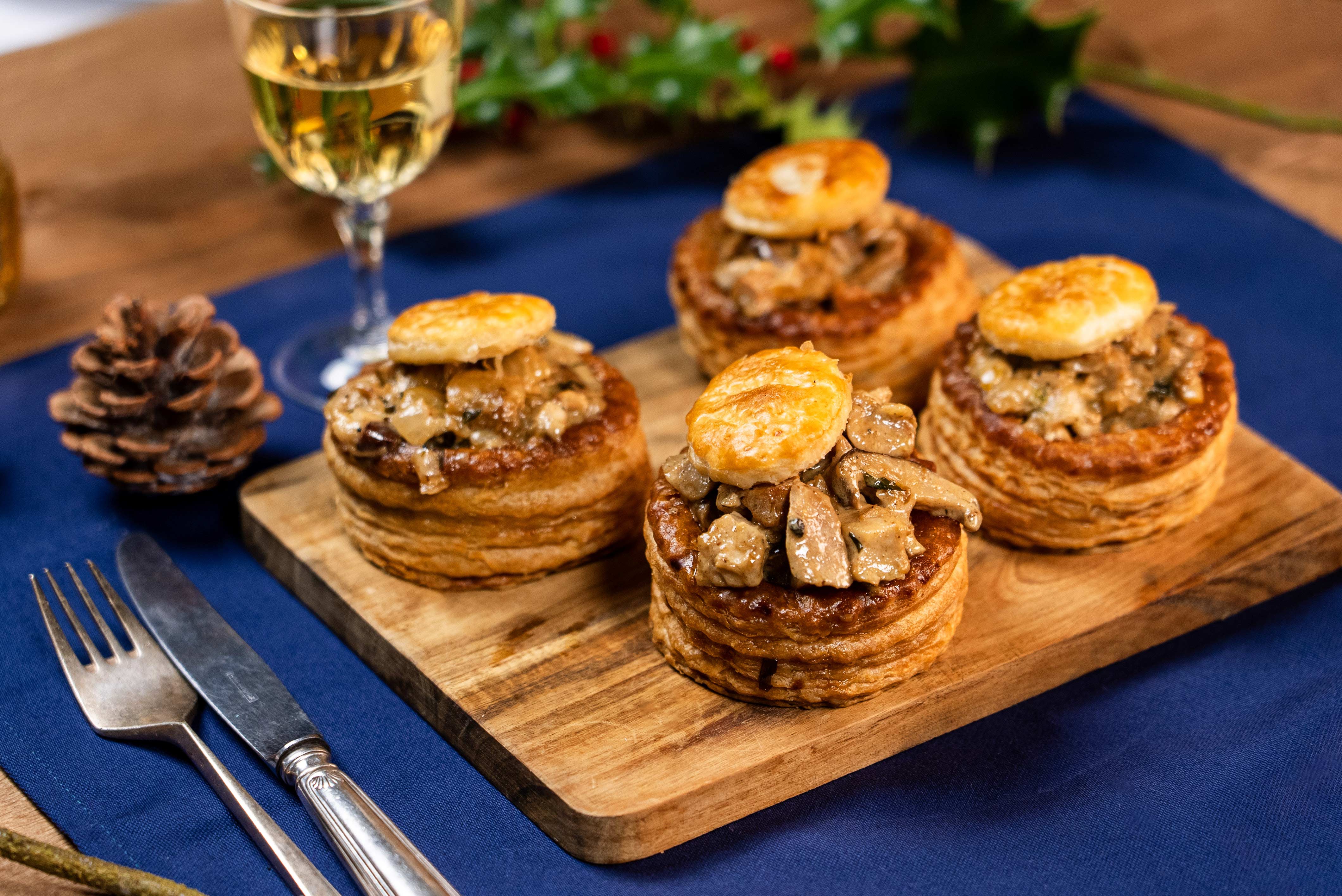
Today's French Christmas table is not limited to traditional roasts. Other festive favourites include vol-au-vent filled with highly prized Bresse chicken, tournedos Rossini or pithiviers – savoury puff-pastry pies, that can be made with premium cuts of French beef or in vegetarian versions featuring mushrooms and seasonal French winter vegetables.
Cheese – A French Christmas Essential 🧀
No French festive meal would feel quite complete without cheese! After the main course, cheese traditionally comes before dessert in France. Rather than choosing just one cheese, the French tradition often celebrates variety with a generous cheese platter featuring soft cheeses, such as Brie de Meaux and Camembert de Normandie; hard cheeses, such as Comté or Beaufort; blue cheeses, such as Roquefort or Fourme d’Ambert; and goat cheeses, such as Crottin de Chavignol or Sainte-Maure de Touraine. The cheese is usually served with a selection of French breads, from a classic baguette to walnut bread or country-style sourdough, and is often accompanied by a simple green salad dressed with a classic French vinaigrette.
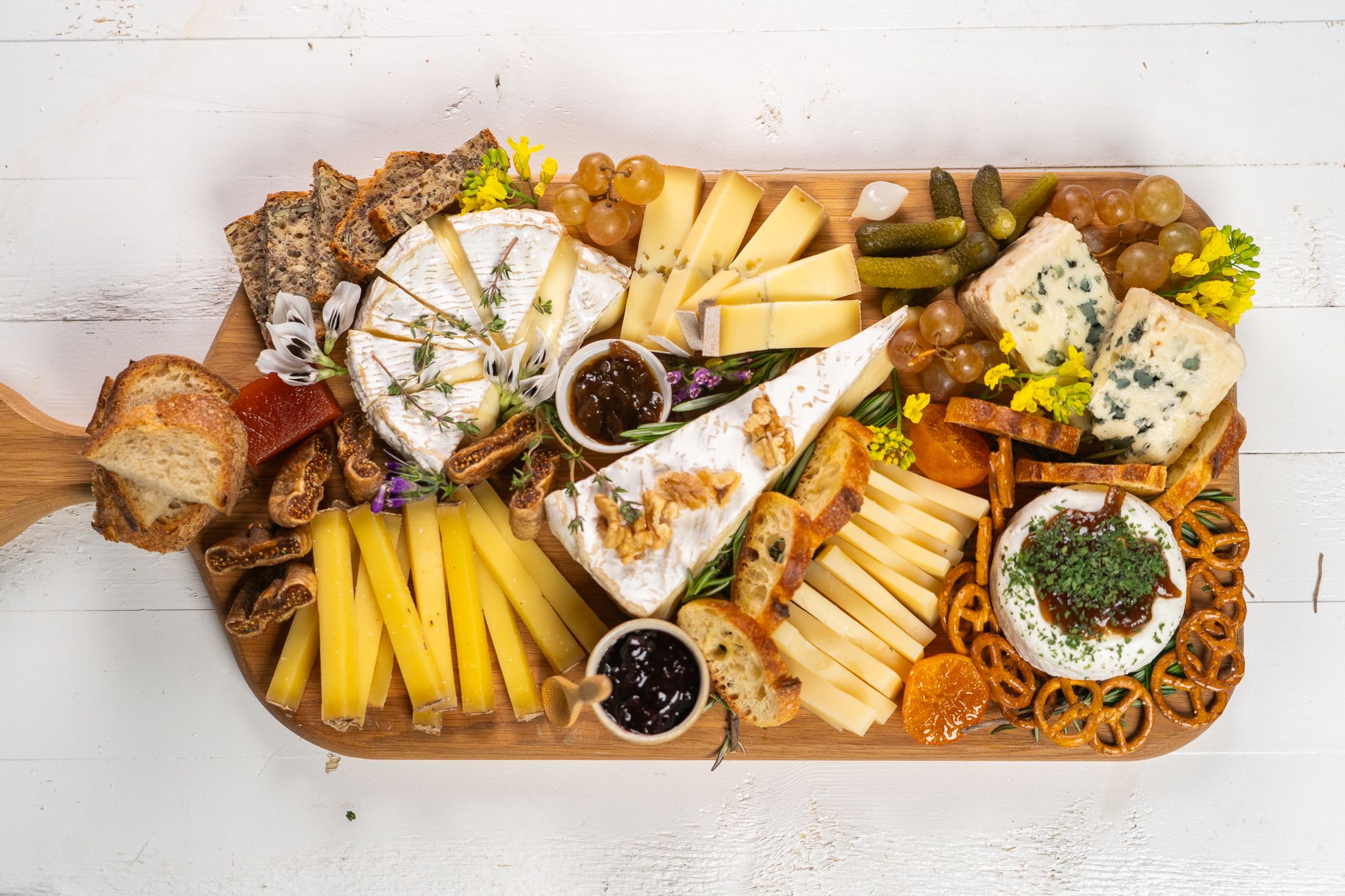
At Christmas, even familiar cheeses can be given a festive twist. Ask your local cheesemonger for preparations such as Brie à la truffe, or make your own homemade stuffed brie!

For an old-fashioned grand Christmas meal, cheese may even be followed by a trou normand: a small glass of Calvados, traditionally taken as a palate cleanser. It is not something every French family does today, but it remains part of the tradition.
Christmas Dessert – Bûche de Noël leads the way 🍨
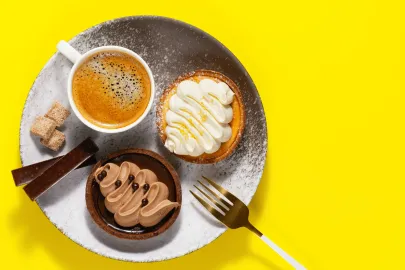
The most recognisable French Christmas dessert is undoubtedly the bûche de Noël, or Christmas Yule Log. Traditionally, it is a rolled sponge cake filled with cream and decorated to resemble a wooden log. Today you'll find everything from classic chocolate, chestnut, coffee or praliné versions to bûche glacée, or frozen Yule log, offering a cool and refreshing alternative. Many French families order their Christmas bûche from their local pâtisserie, while others enjoy making their own at home – which you can do too with our step-by-step Christmas Yule Log recipes:


But the bûche isn't the only French Christmas dessert. Some families may opt for lighter desserts such as fruit parfaits, while others serve profiteroles, cakes or petits fours from the local traiteur or pâtisserie. Regional traditions play a role too: in Provence, families serve a selection of the so-called Thirteen Desserts, made of dried and fresh fruits, nuts and nougat, whilst in Alsace, Christmas is also closely associated with traditional biscuits known as bredele.
At this point, everyone is supposed to declare themselves completely full – before somehow finding room for a few mignardises. From marrons glacés to homemade chocolate truffles, these tiny final treats are the perfect excuse to keep the conversation going just a little longer.
Discover More French Christmas Traditions 🎇
Ready to bring a taste of French Christmas to your own table? Explore our selection of French Christmas recipes and articles to discover more about French festive traditions and recreate your own French-inspired holiday feast at home.


Contributor
Adrian Chiercego
Food Writer
Tags
On the same subject

Most popular this week