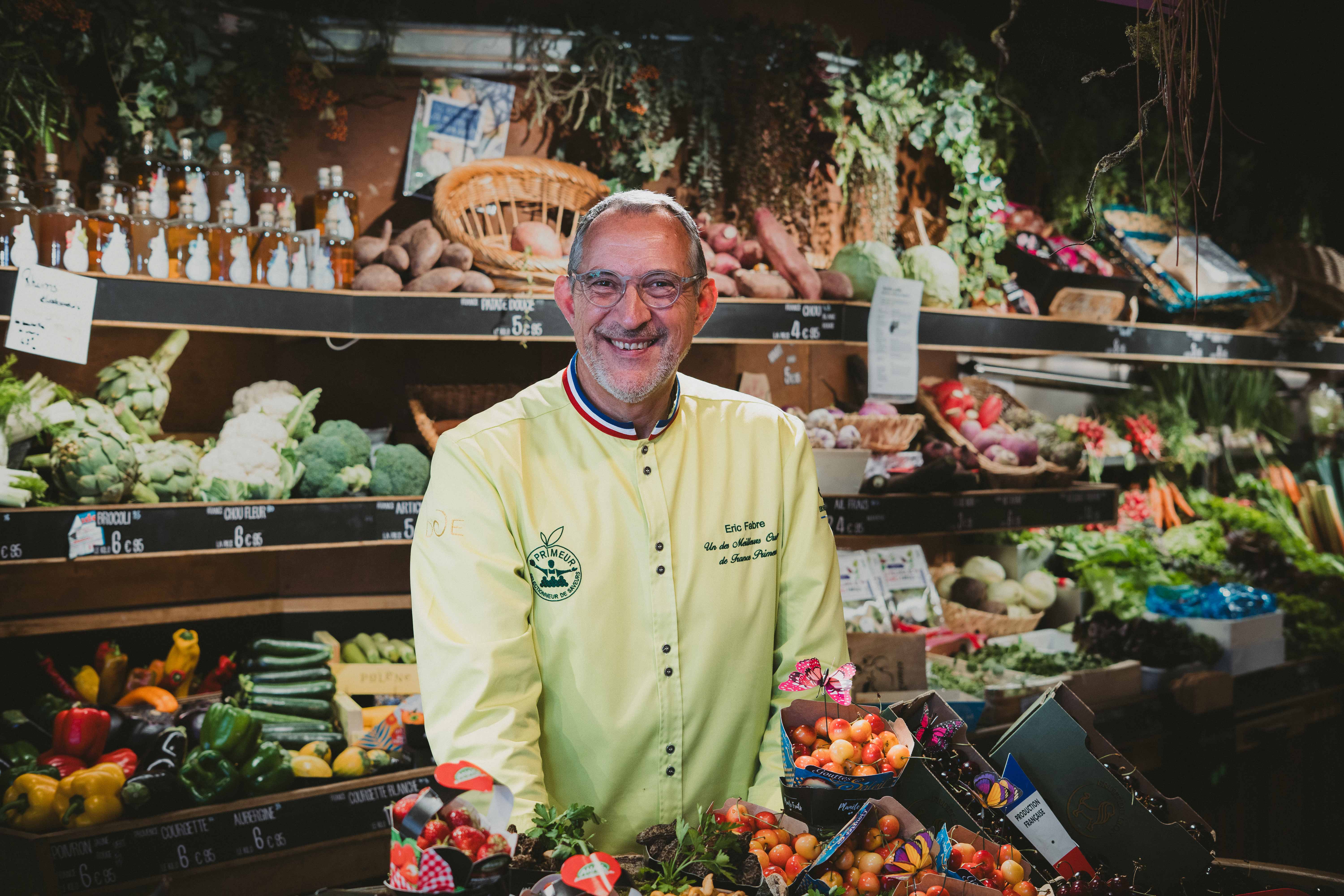
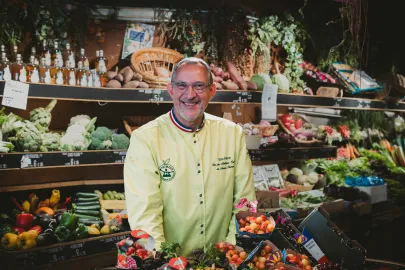
From cabbage to leeks and carrots, winter vegetables are all too often overlooked – and yet they are well worth discovering. Éric Fabre, the current Meilleur Ouvrier de France Primeur (Best Grocer Craftsman of France), explains why it is high time they took centre stage on our dinner plates.

With the arrival of winter, the shelves in French greengrocers are adorned with warm and comforting colours. Yet, despite their nutritional value and diversity, winter vegetables are all too often relegated to the role of side dish. But all is not lost. The current Meilleur Ouvrier de France Primeur, Éric Fabre, is championing their place at the heart of our diet. “Being a greengrocer is a fast-paced and creative job. Every day and season brings something new... and products worth shining a light on.”
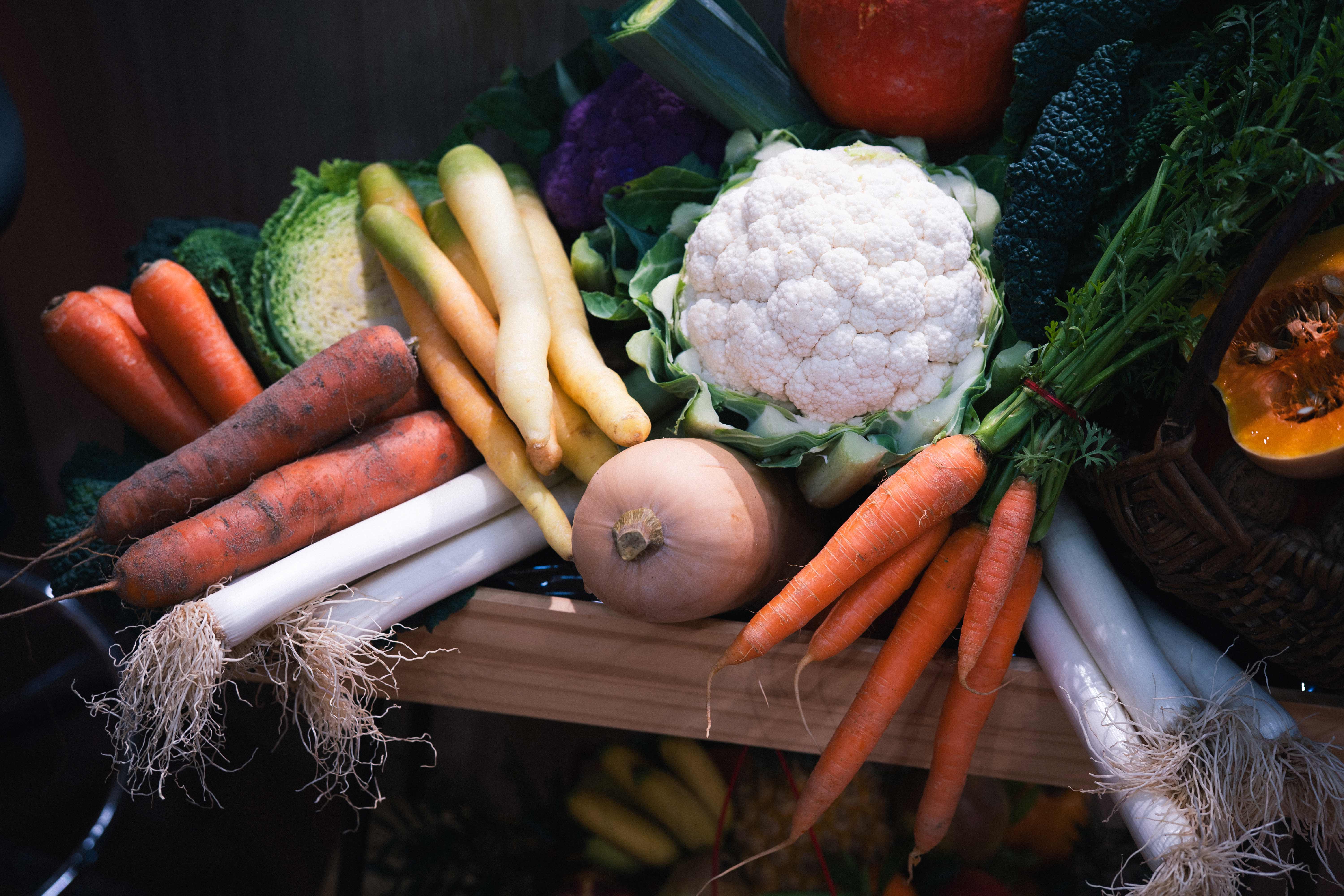
Contrary to popular belief, winter is actually a highly abundant season. “The cabbage family and all its varieties – cauliflower, kale and broccoli – as well as root vegetables like carrots, in all their colourways; parsnips and turnips. Winter is a festival of flavour,” enthuses Éric Fabre. Not only are these vegetables packed with goodness, they also (and more importantly) add variety, colour and texture to our plates... without us even realising it.
The wealth of winter produce
However, some vegetables still struggle to shake off their negative image. Cauliflower, for example, “often carries the stigma from when it was served bland and overcooked in school dinners,” laments Éric Fabre. Yet a simple, precise approach is all that is needed to showcase its best qualities. Serve it raw, chopped up into florets with a creamy homemade sauce, or roast it in the oven, and cauliflower really does shine. Using a variety of colours – from purple and orange to green, white and Romanesco – also goes a long way towards enhancing its flavours and textures.
Leeks, on the other hand, remain a timeless choice. “A perfectly blanched leek heart, optimally cooked and paired with an olive oil vinaigrette, reveals the true extent of its finesse,” notes Fabre. Meanwhile, the winter carrot is sweeter and denser than its spring counterpart, lending itself to a full spectrum of dishes, from soup to homemade juice. And for those keen to explore some of the lesser-known vegetables, the root chervil is also deserving of a place in the spotlight. “Its subtle sweet chestnut flavour and creamy texture make it a truly exceptional winter vegetable.”
Play around and have fun with colour
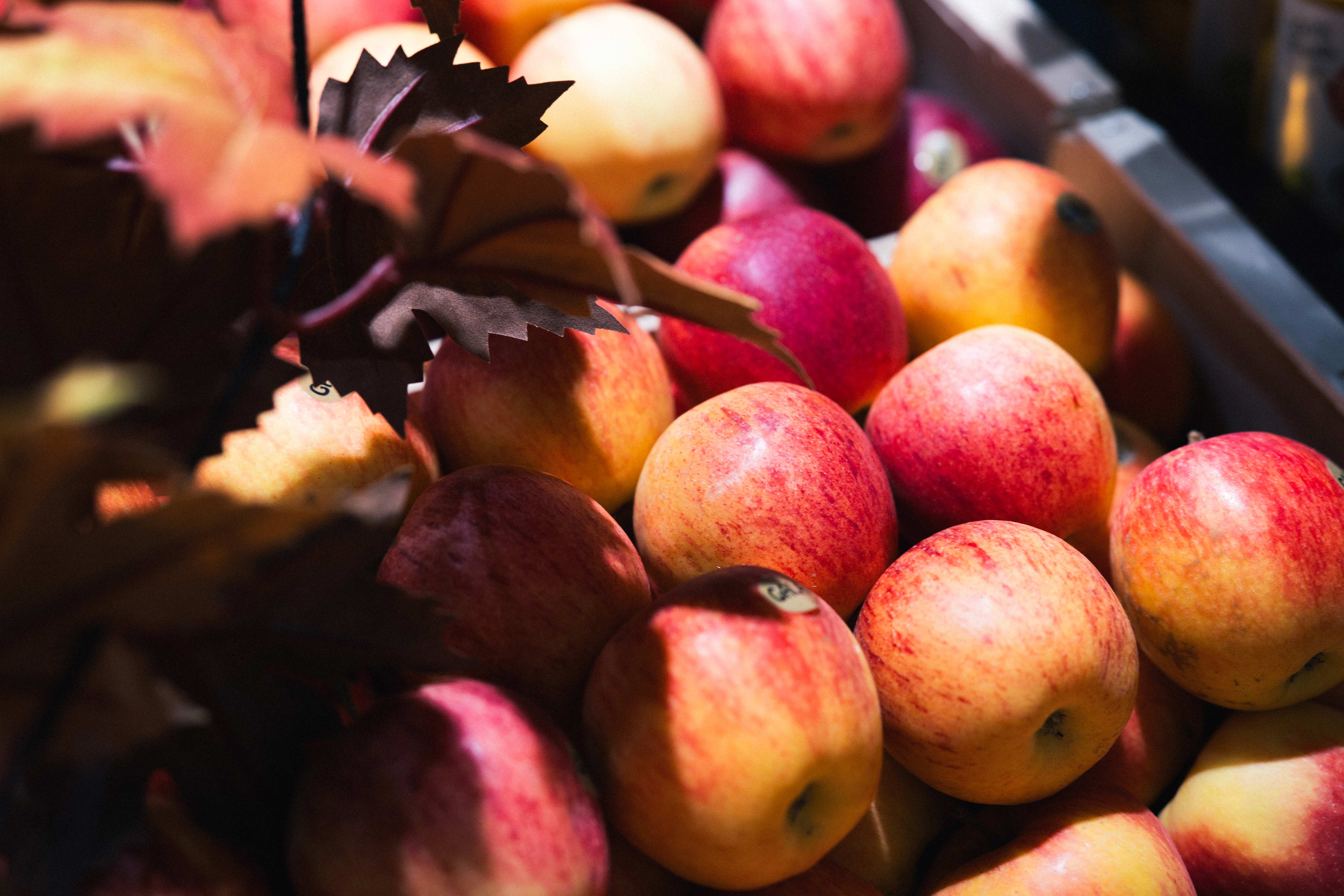
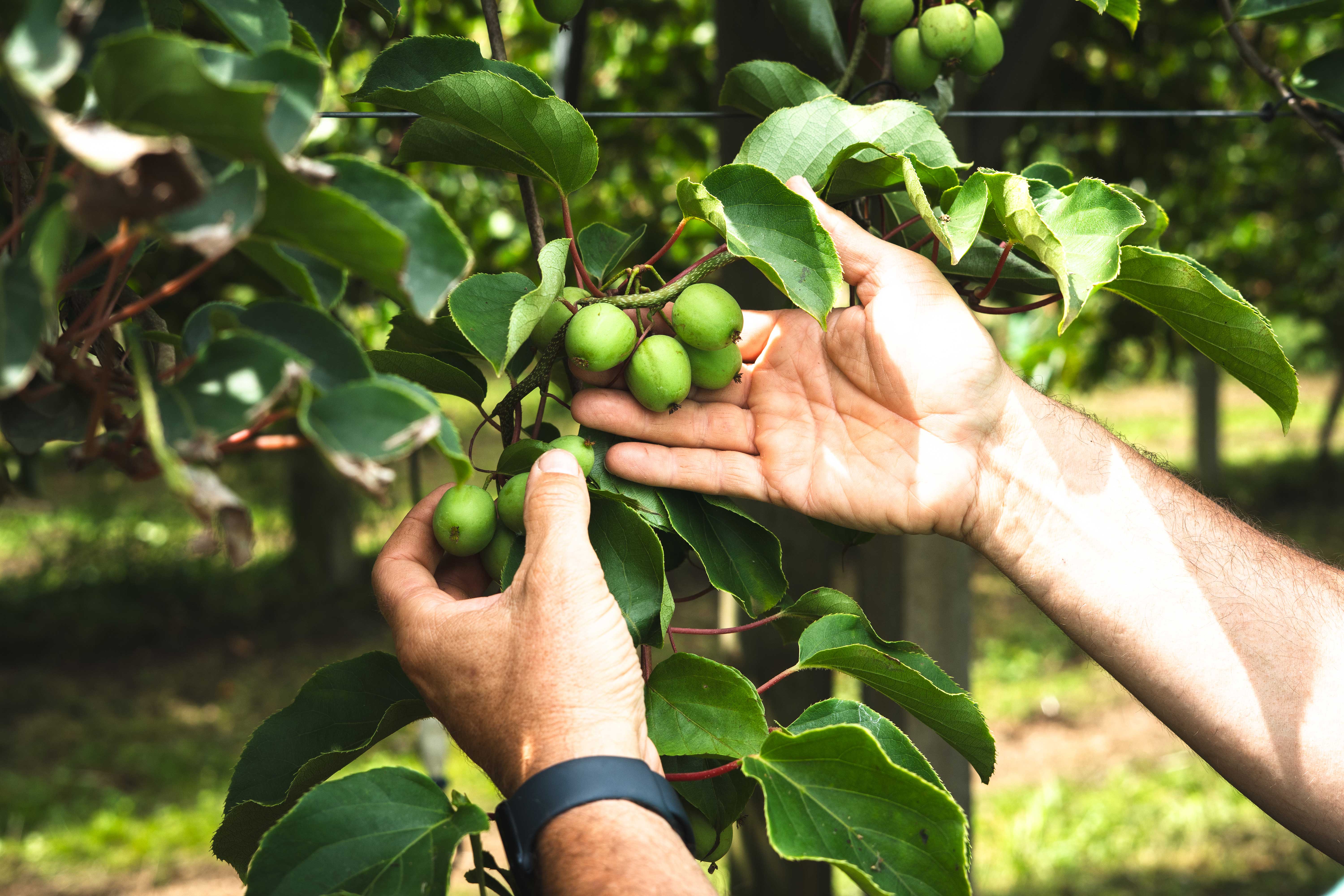
Éric Fabre recognised the vital role of bringing out the freshness, colour and sweetness of vegetables, even when temperatures start to drop. “Through the proper storage methods, by managing humidity and temperature and by harvesting fruit and vegetables at the right time,” he explains.” To rediscover the delights of winter seasonal produce, he suggests playing around with colours, including the oranges and yellows of citrus fruits, the greens and reds of apples, as well as various shades of carrot and cabbage, “allowing you to create visually appealing plates”.
Of all the winter fruits and vegetables, there is one staple that needs no introduction: the universally loved and infinitely versatile apple stands out thanks to its vast array of varieties and textures. “Whether green, yellow, two-tone, pippin or red, the apple caters for every taste with its many different textures – crunchy and juicy, soft and creamy or acidic and aromatic.” Winter’s signature varieties include Golden, Fuji, Gala and Juliet, with each offering “a unique profile, allowing you to keep things interesting.”
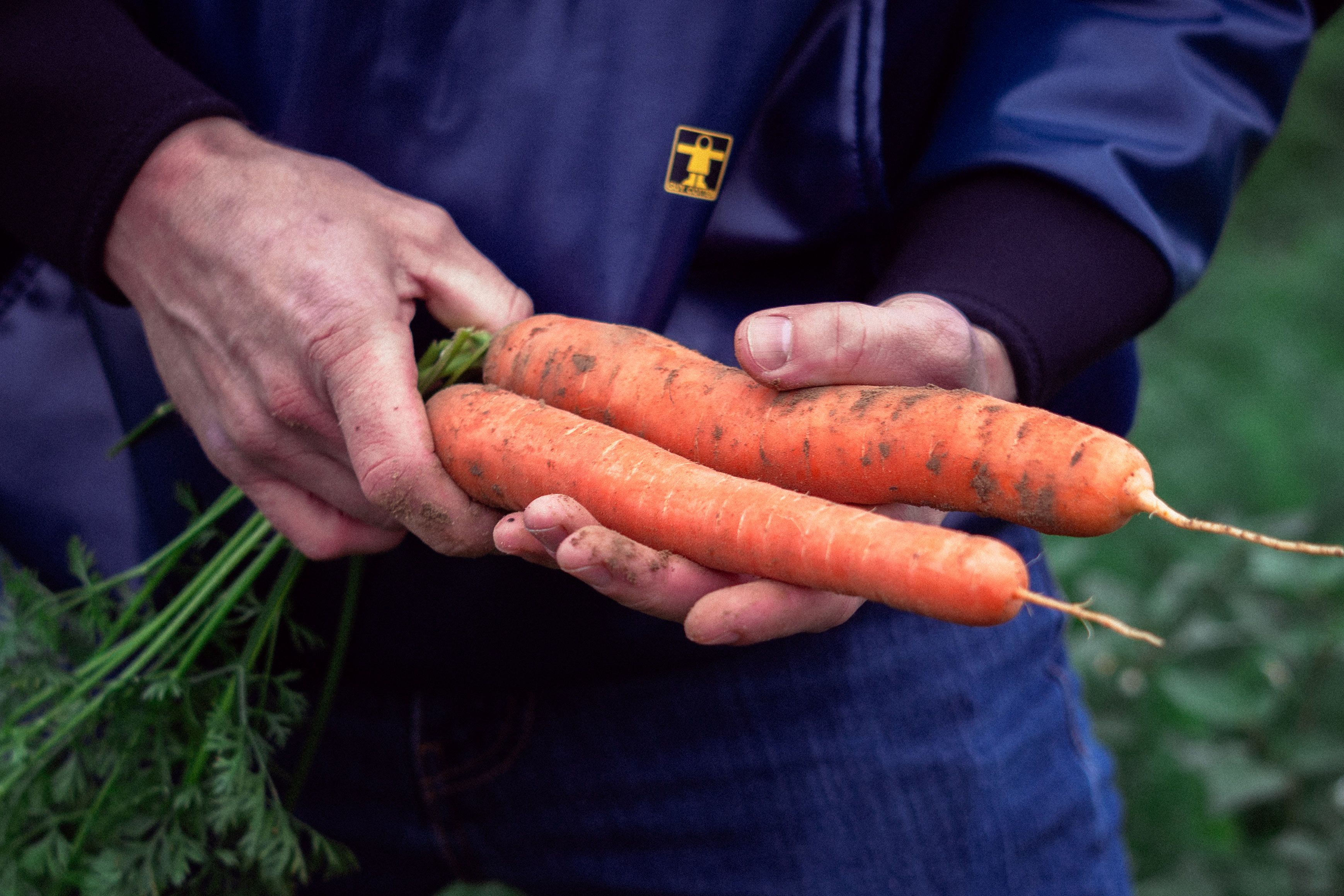
The humble yet versatile carrot is the perfect finishing touch to this palette. “Winter carrots are sweeter, denser and more aromatic, providing the perfect accompaniment to a slow-cooked casserole or stew.” Its multiple colourways – orange, yellow, red, purple and white – offer the potential to transform any dish into a true “festival of flavours and colours”.
A fresh time to shine
Eating winter vegetables is much more than making a simple choice about food. Adopting this approach is essential for our health, follows the rhythm of the seasons and supports local producers. But it is also synonymous with sustainable, responsible consumption. “Winter vegetables are the champions of seasonal eating and the symbols of sustainability. France’s diverse regions deliver high-quality fruit and vegetables in autumn and winter, so why not make the most of this?”
In winter, it is not just about filling up your plate, but about enjoying and celebrating the season. Éric Fabre sums it up perfectly: “Treat yourself by eating seasonal produce! Every vegetable has its place at the table, every piece of fruit tells the story of a terroir, and every single one deserves to be star of the show.”

Tags
On the same subject
ASK THE EXPERT
The understated charm of winter fruit and vegetables
In partnership with Fruit and Veg from France
ASK THE EXPERT
The secret of French fruit and vegetables: a story of craft, passion and terroir
In partnership with Fruit and Veg from France


Most popular this week