In the Camargue, where salt is an elixir
When day breaks and the first rays of sun hit the Aigues Mortes salt pans, Alain Berthelot is already hard at work. For 35 years, this salt worker has guided the seawater on a slow journey through the Camargue salt marshes until it is turned into salt. His line of work is a discreet and demanding one, the result of centuries-old expertise.
The fact that the Camargue has become one of Europe’s leading salt-producing regions is primarily due to a rare combination of geographical factors. The wide open spaces and high levels of sunshine in Aigues-Mortes, coupled with its wind and low rainfall, combine to create optimum conditions. “The sun causes the water to evaporate, the wind speeds up this process, and the sea provides us with the raw material. Without this natural balance – and without the salt workers’ expertise – none of this would exist.”
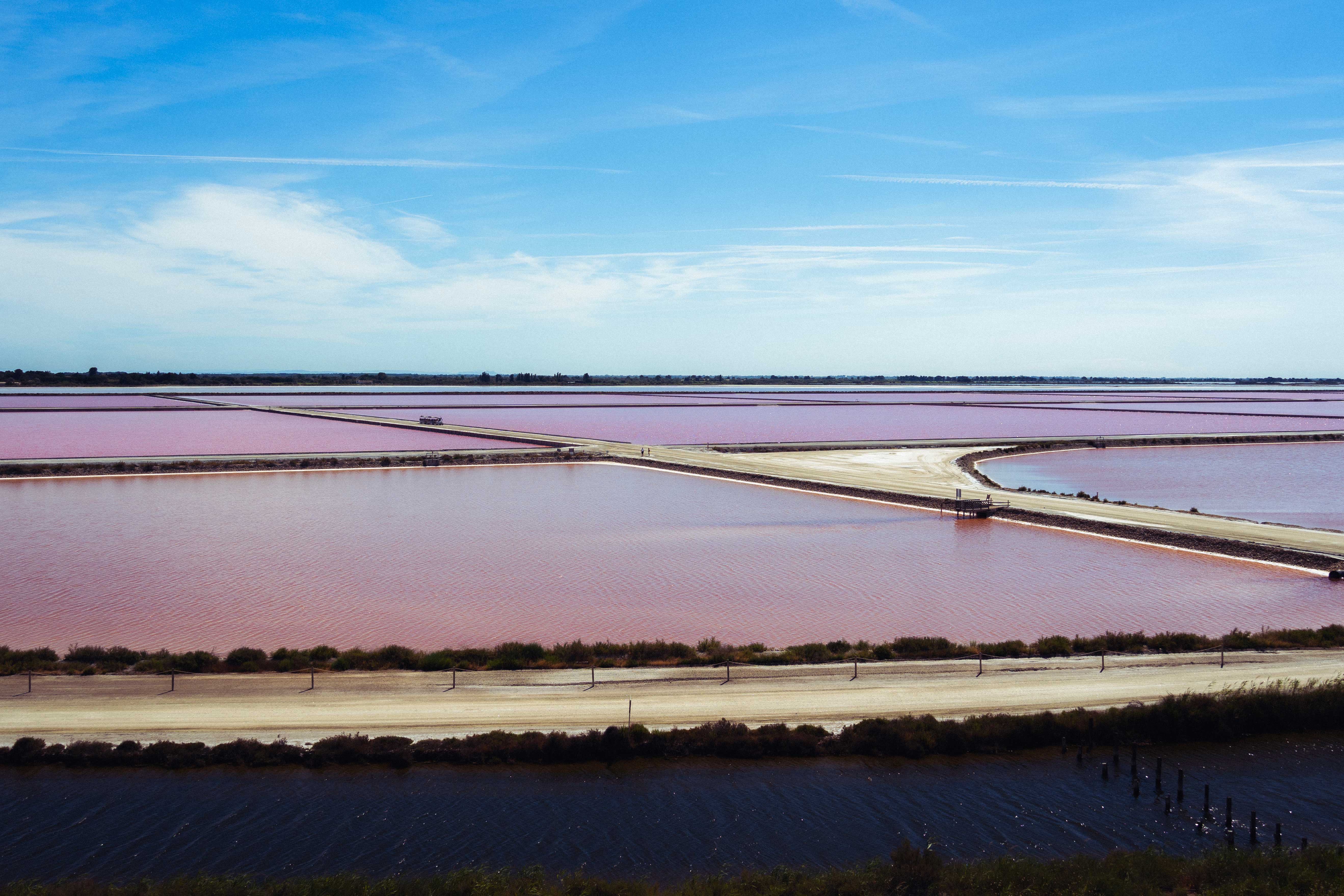
The landscape here seems unreal. Amidst lagoons, ponds and geometric pools, the colours change over the course of the day. Some bodies of water take on shades of pink or red, while others reflect the endless blue of the sky. “When you first arrive here, you feel as though you’re suspended between the sky and the sea,” says Alain Berthelot.
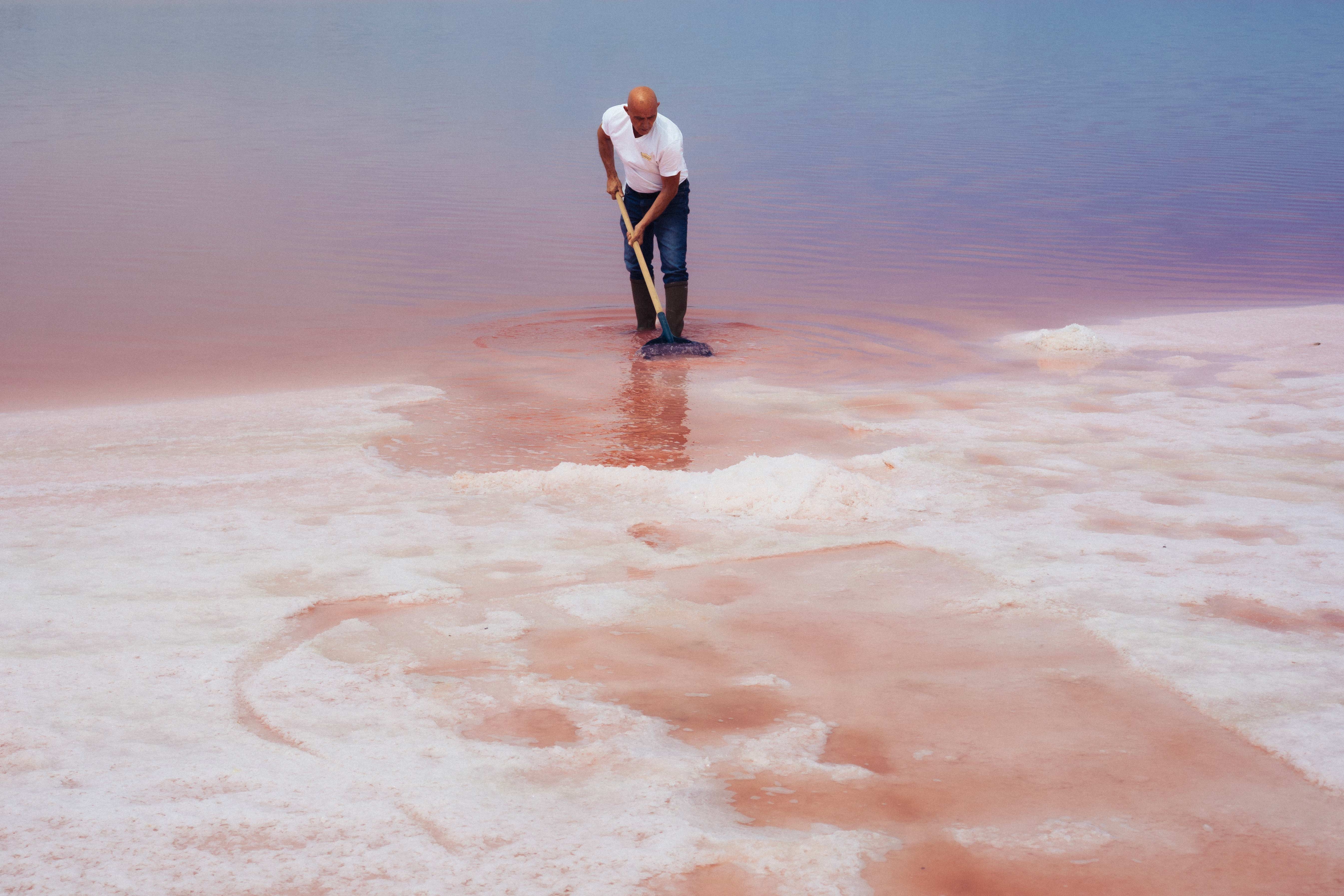
Yet behind this illusion of endless space lies a rigorous, practical craft. This is because, before it is harvested, the seawater travels nearly 35 kilometres through canals and salt marshes. From one pan to the next, the salt concentration gradually increases until it reaches the ideal conditions for crystallisation.
For many consumers, salt is seen as an everyday, almost mundane, ingredient. And yet, like wine, cheese or olive oil, it carries the imprint of its region. “Salt isn’t just salt – it tells the story of a climate, a region and a craft,” insists Alain Berthelot.
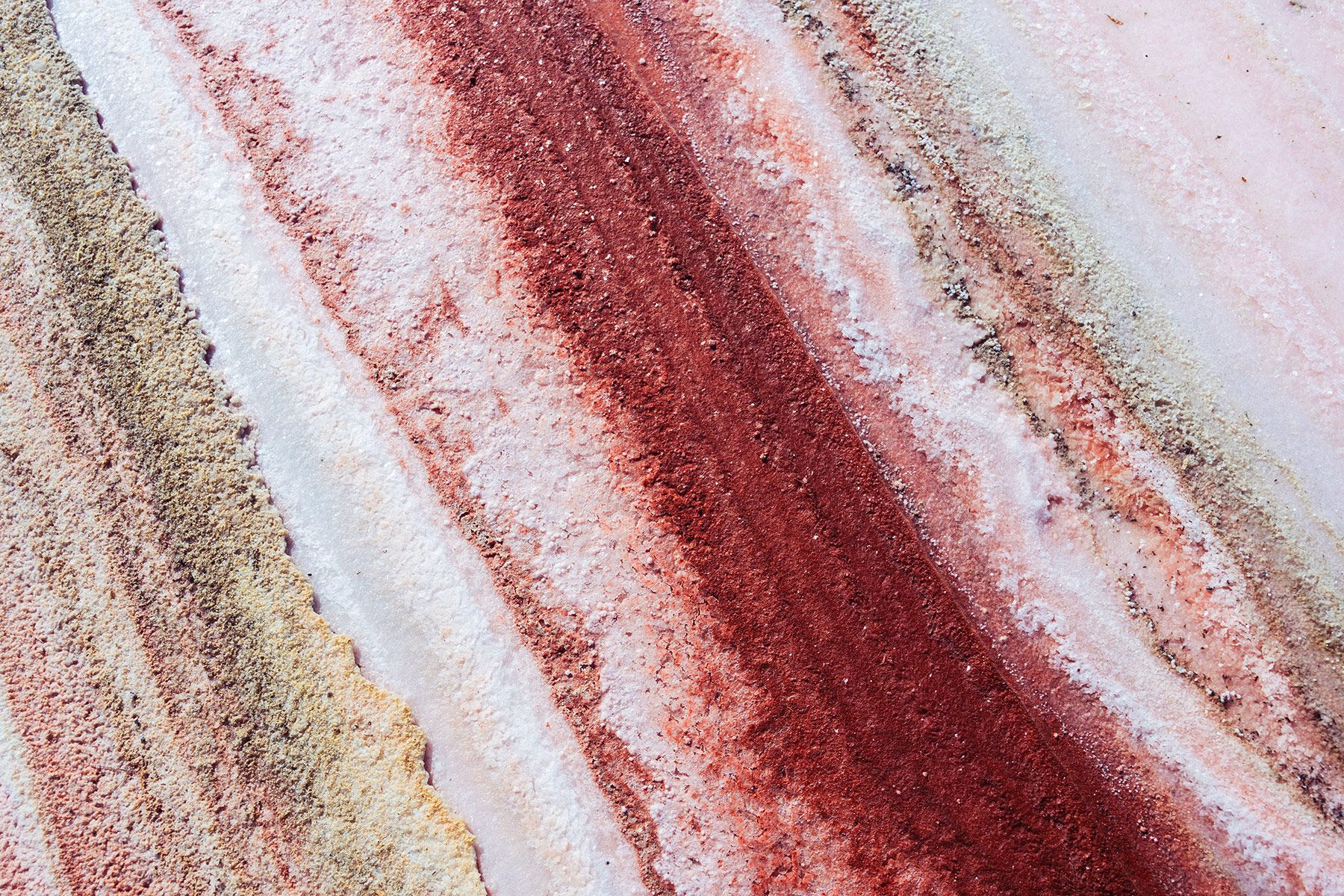
Camargue salt, obtained naturally by the sun and the wind, is distinctive in the way it is produced. This phenomenon gives it a unique flavour profile and character. “Camargue salt is truly unique and has its own identity,” highlights Alain Berthelot.
Fleur de sel, the white gold of the salt marshes
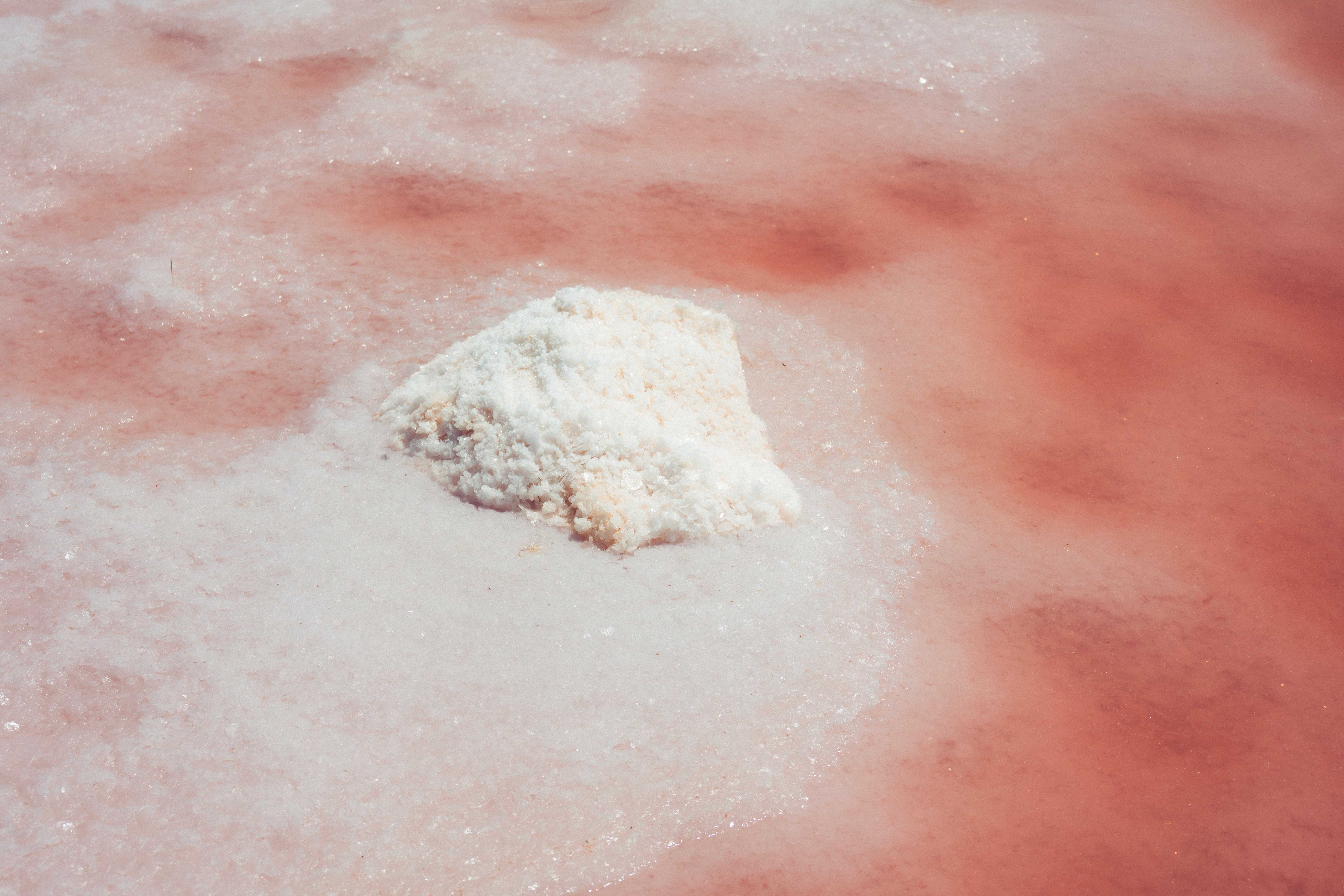
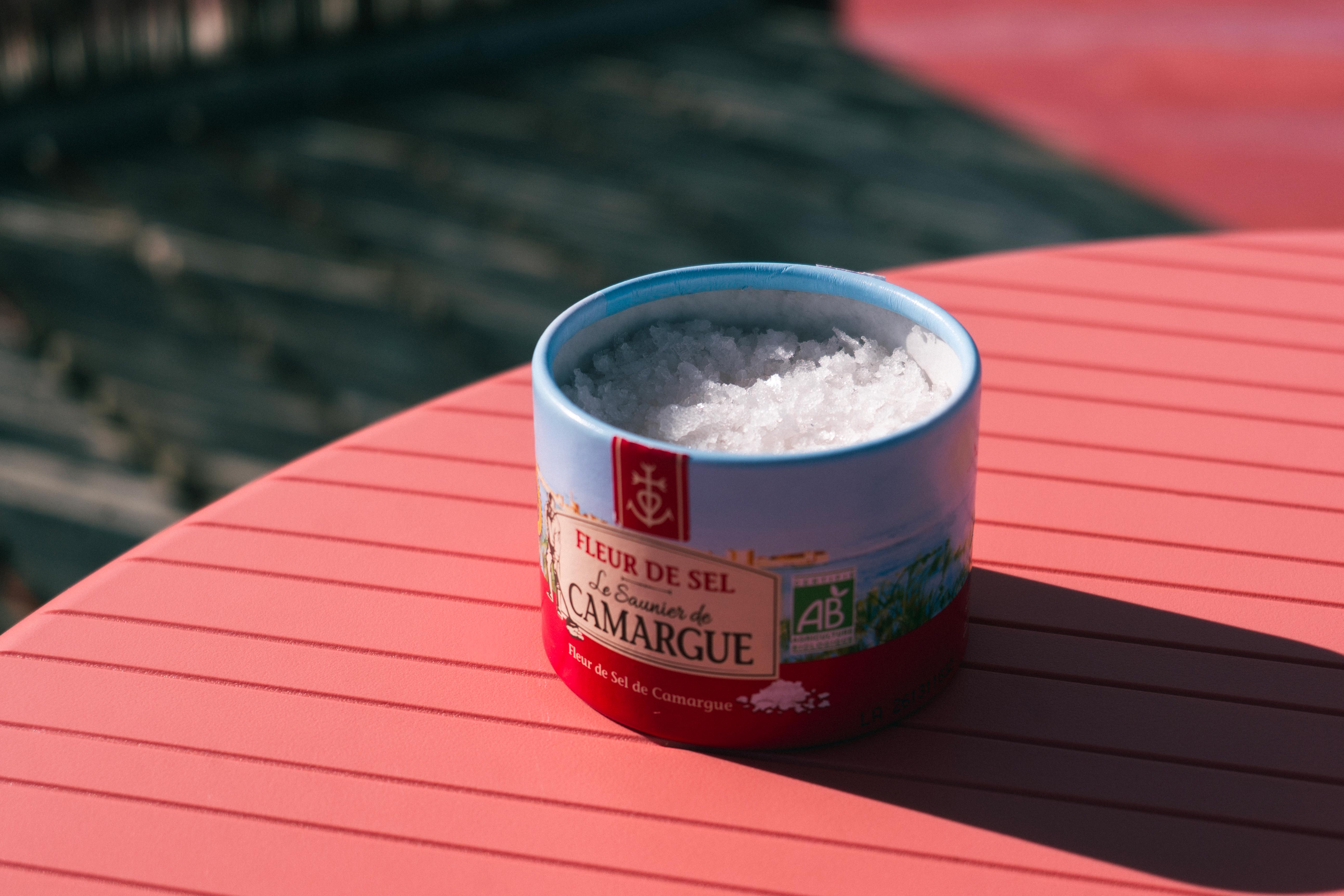
Of all the products from the salt flats, fleur de sel holds a special place. Fine, light and delicate, it is considered the crown jewel of the harvest, with its formation based on a very specific natural phenomenon. “Fleur de sel is the thin layer of crystals that forms on the surface of the water in warmer weather,” explains Alain Berthelot.
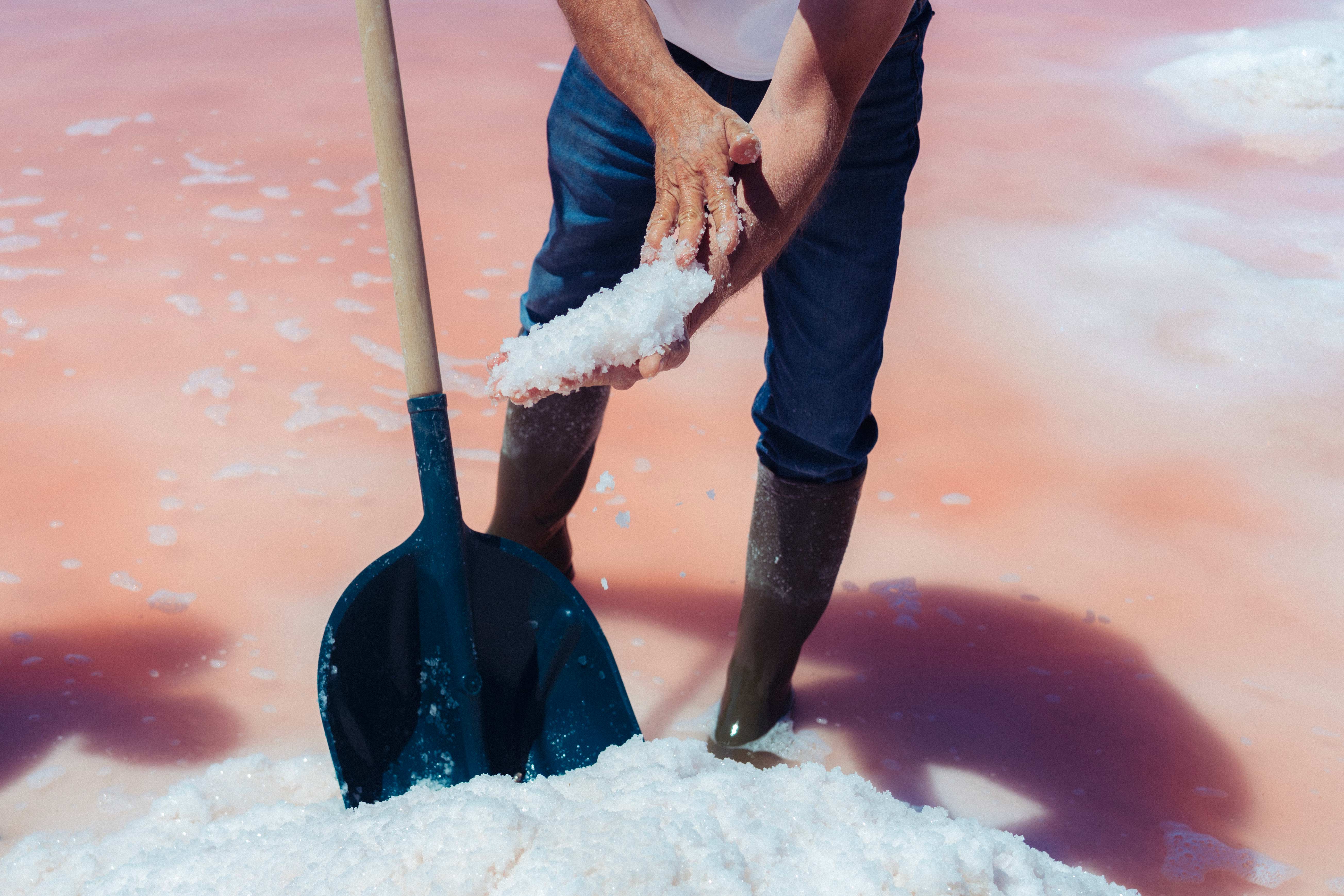
It usually appears at dawn, when the heat built up during the day combines with cooler temperatures during the night. A delicate film of floating crystals then forms on the surface of the salt pans. Could it be white gold? Quite possibly.
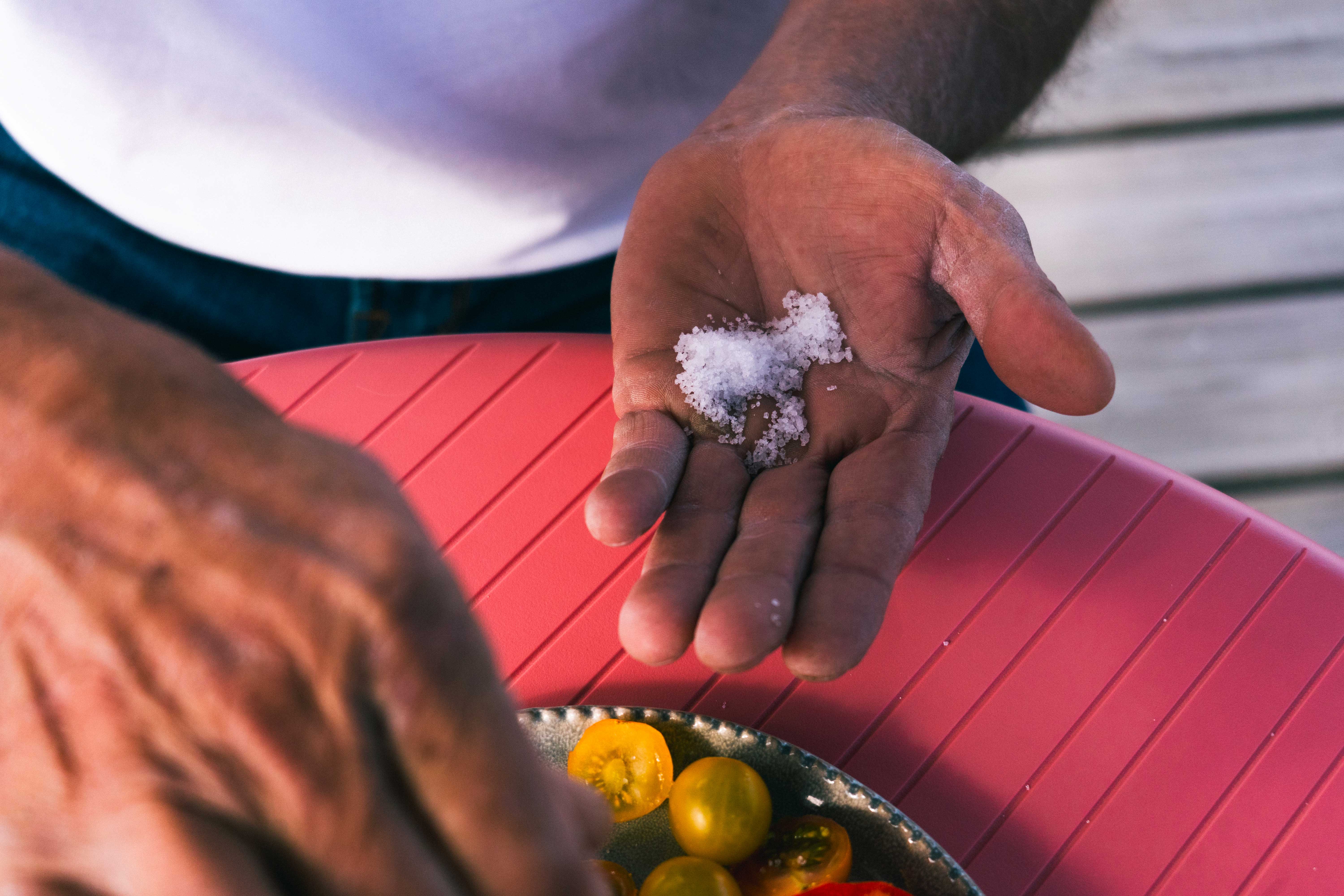
This is where it differs significantly from coarse salt. While the latter slowly crystallises at the bottom of salt pans and develops a dense cubic structure, fleur de sel forms rapidly on the water’s surface. Its crystals remain fine, light and crumbly. “Our fleur de sel has a distinct flavour, but it is never overpowering. Its delicate, crisp crystals melt in the mouth while offering a lingering finish.” In fact, it is precisely this texture that accounts for its popularity among chefs and food lovers.
Reading the water like a book
In Aigues-Mortes, the profession of salt worker is closely linked to the history of the Camargue. Every morning, Alain Berthelot begins his day with a series of checks and observations he has down to a fine art. For the craft of salt-making relies as much on observation as it does on technique. “First of all, I check the wind, water level and condition of the crystals. They set the rhythm for the entire day.”
With experience, the salt worker learns to interpret a whole range of indicators: the colour of the water, the appearance of the surface, the direction of the wind and changes in salinity. “First and foremost, salt workers must learn how to read a salt marsh.” Essential expertise is required at this vast site, which covers an area comparable to that of central Paris.
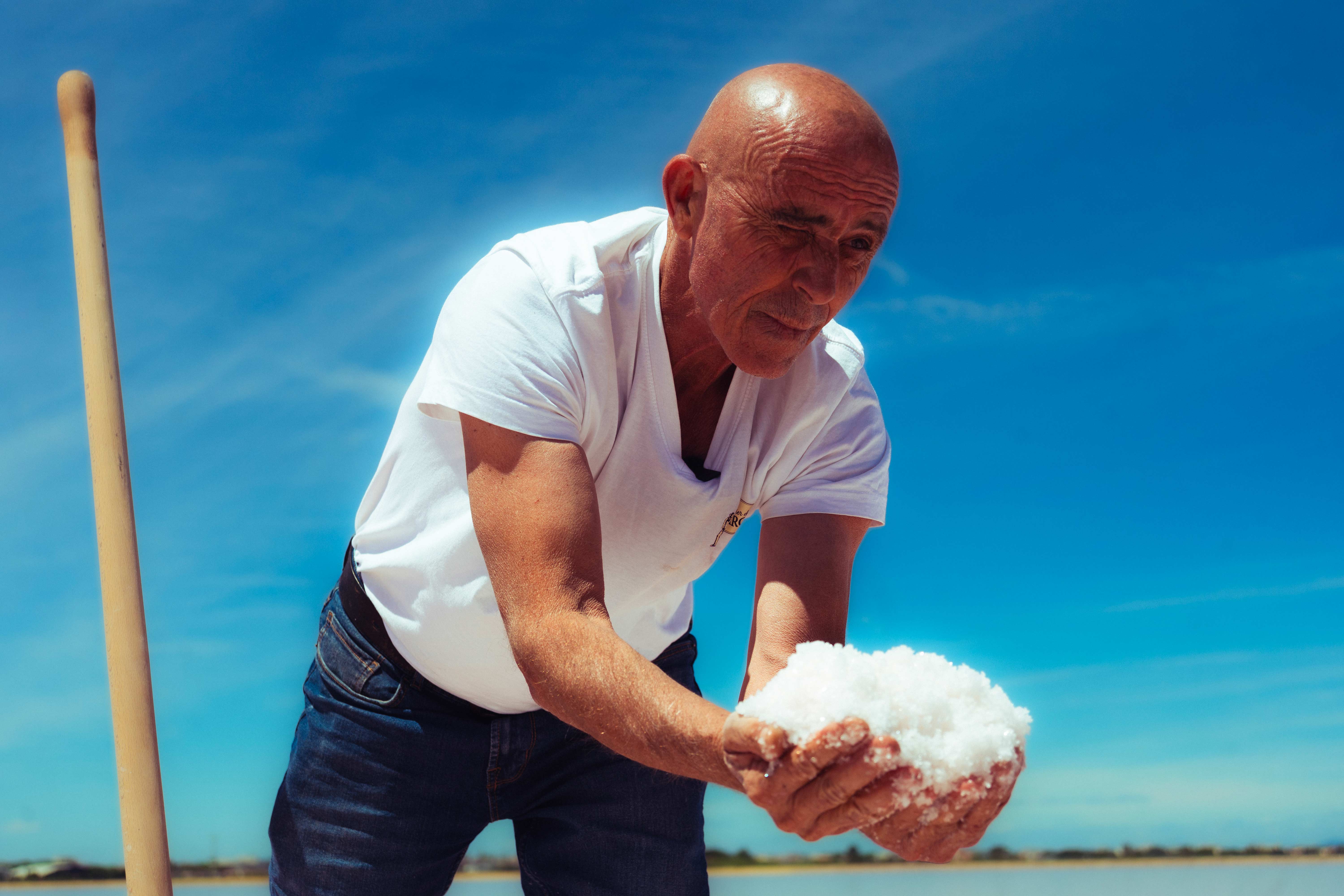
Since the Middle Ages, the vast salt marshes have harnessed a simple natural phenomenon: under the influence of the sun and the wind, seawater gradually evaporates in a series of ponds until salt crystals form. The salt worker oversees this process throughout the year. “The salt worker monitors the flow of water, checks salinity levels, maintains the dykes and canals, and then steps in at harvest time to ensure the quality of the salt. Far more than just a harvester, they are the guardian of ancestral expertise based on a detailed understanding of the elements, the seasons and the Camargue ecosystem,” he emphasises.
As well as traditional techniques and craftsmanship, the trade also requires a wide range of technical skills. From measurements and hydraulic calculations to water flow management, the salt worker is not merely a labourer, but acts as a true engineer of the saltworks.
A harvest guided by the elements
In his eyes, salt should never be reduced to a simple mineral. And with good reason: it is the result of a delicate balance between the sea, the sun, the wind and meticulous human craftsmanship. A form of open-air farming, where the raw material is not soil but water.
This is why producing salt requires a great deal of patience. In Aigues-Mortes, the entire production cycle spans a full year. Even though “it’s the sun and the wind that do all the work,” the salt worker remarks wryly.
Nevertheless, harvesting fleur de sel remains a serious business… and a finely timed one at that. It lasts just eight to ten weeks, typically at the height of summer. It is also the trickiest part of the job. “You have to act at the right moment, often early in the morning, when conditions are perfect.”
Why so early? Because, as the day goes on, the wind and heat can alter the structure of the crystals. They are harvested at dawn to preserve their delicate crunch. And contrary to what you might think, this is all still done entirely by hand. “There are no machines for harvesting fleur de sel. We harvest it with scoops.”
Climatic constraints
Like all agricultural activities, salt farming now has to cope with increasingly unpredictable weather conditions. “The biggest challenge is adapting to an increasingly unpredictable climate while preserving our traditional know-how,” stresses Alain Berthelot.
Rain remains one of the main risks. A few heavy downpours can significantly slow down evaporation and delay harvests. “People often talk about vineyards or orchards, but we are affected by the weather in exactly the same way,” he cautions.
Bouts of extreme heat or unusual wind patterns can also threaten the marsh’s natural balance. In the face of these changes, the goal remains the same: to produce while safeguarding an exceptional environment. Because the salt marshes at Aigues-Mortes are not just a production site. They are also home to remarkable biodiversity, rich in unique flora and fauna and distinct ecosystems. “Here, we work with nature, not against it.”
After over 40 years spent in the salt marshes, Alain Berthelot still harbours the same passion and deep conviction: behind every grain of salt lies a landscape, a story and traditions passed down from generation to generation.
A discreet yet vital heritage, ensuring the Camargue is not simply a centre of production, but a true sanctuary of flavour.
On the same subject
MEET THE MAKERS
French potatoes: no ordinary treasure
In partnership with CNIPT - Potatoes from France
MEET THE MAKERS
Peaches: a source of French pride with a taste of summer
In partnership with Fruit and Veg from France
MEET THE MAKERS
French carrots: pride and passion for the land
In partnership with Fruit and Veg from France
Most popular this week