When peaches make their first annual appearance on market stalls in early June, they herald the arrival of summer… and serve as a reward – not just for our patience, but also for the hard work of many farmers. Behind these sun-drenched fruits, eagerly awaited by consumers every year, lie months of meticulous work, unique expertise and, above all, dedicated producers. In France’s Gard region, in the heart of the Costières de Nîmes, Romain Zoroddu is a perfect example of this.
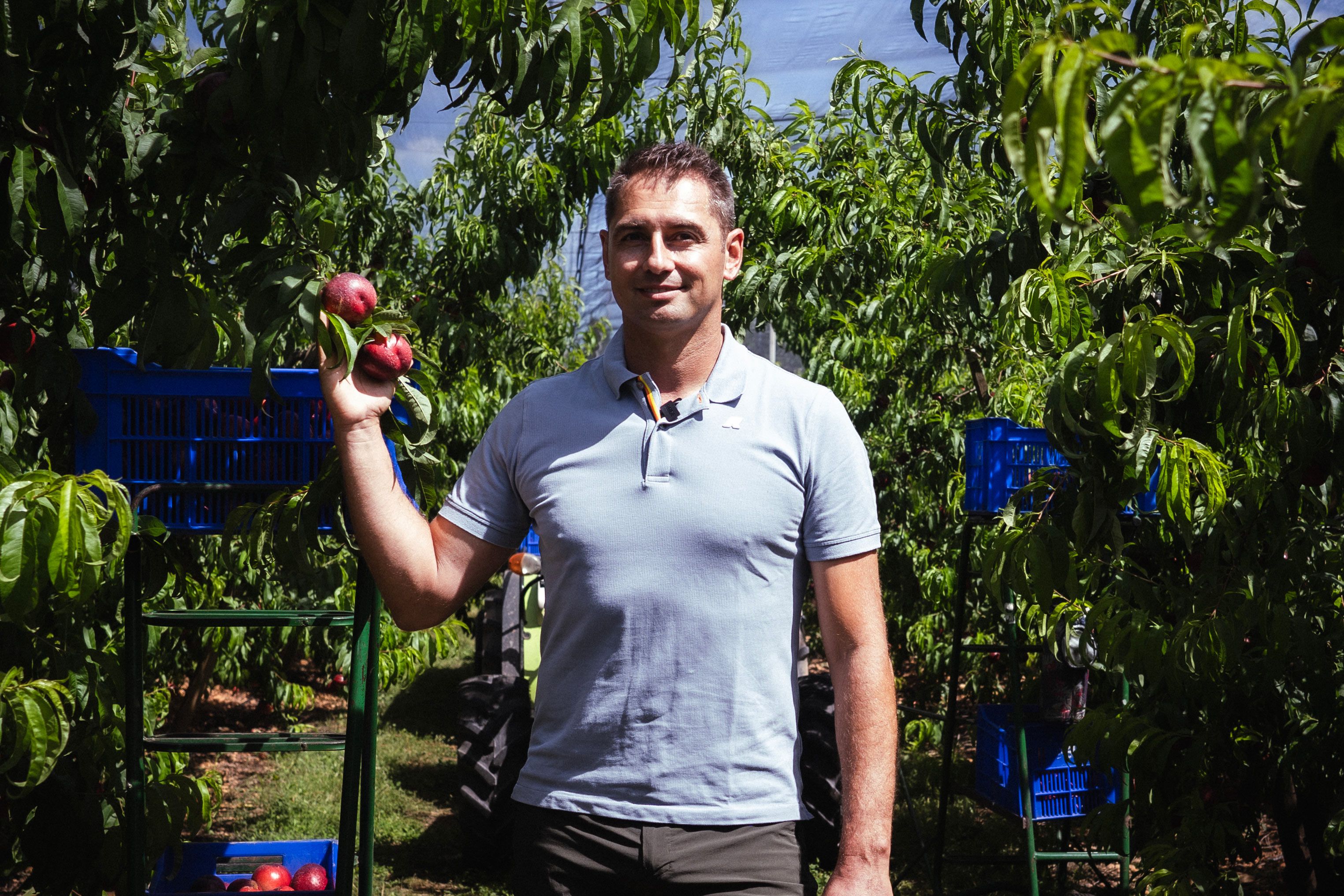
An experienced fruit grower, Romain now manages 200 hectares of orchards and produces around 8,000 tonnes of fruit each year. His journey is part of a long family history. “I come from a long line of farmers going back five generations. This legacy has shaped my values and my determination to pursue this profession,” he says.
When he set up his farm in 2007, he bought some old vineyards, replacing them with apricot trees, and later, peach and nectarine trees. This was an obvious and natural transition for him, reflecting the vital and historic role that fruit growing has always played in this part of southern France.
An ideal terroir
It is no coincidence that the Costières de Nîmes has become one of France’s main production regions. Here, the region offers particularly favourable conditions for growing stone fruits. “Peaches and nectarines need water, but they also need warmth. Here in the south of France, we benefit from optimum conditions,” explains the producer.
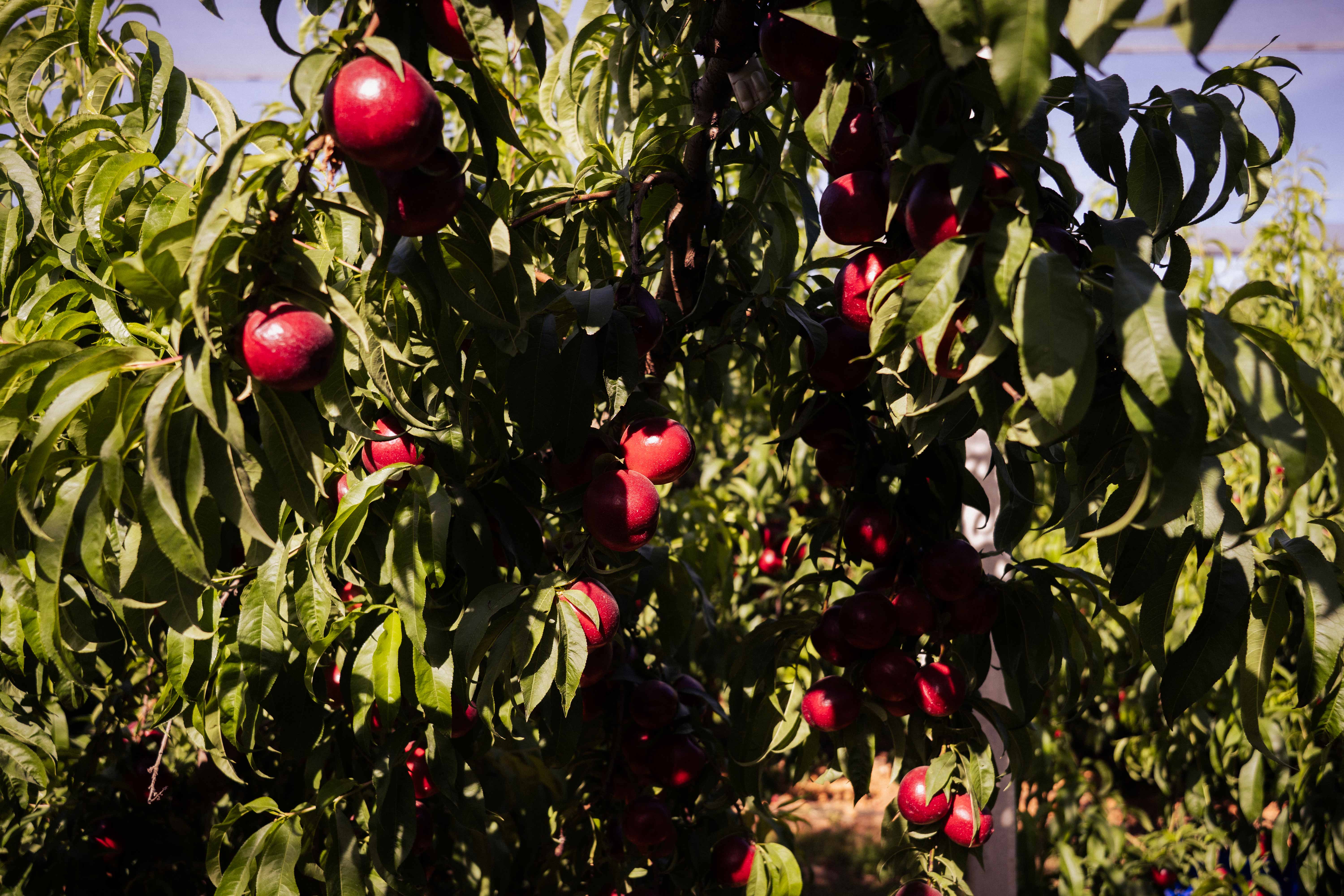
The sandstone soils characteristic of the region play a vital role. In this ecosystem, the pebbles and stones typical of the area store heat and release it gradually. Combined with a Mediterranean climate characterised by relatively mild winters, hot, dry summers and regular wind, these features create an environment that is particularly well-suited to orchards.
Obviously, this natural alchemy has a direct impact on the quality of the fruit. “The stones store heat and warm up both the soil and the surrounding air. This helps the fruit to ripen more quickly. In fact, we are located in one of the earliest-producing regions in France.” This early ripening is a valuable asset for sugar accumulation in the fruit – a key factor in the overall taste and quality of peaches and nectarines.
Peach or nectarine: which is which?
Romain Zoroddu grows more than 150 different varieties in his orchards. This approach not only spreads the harvest over several months, but it also caters to consumers’ diverse tastes. These include white and yellow nectarines, white and yellow peaches, as well as flat peaches, which have become increasingly popular in recent years.
In fact, this variety of options is one of the greatest strengths of French production. It offers very different flavour profiles throughout the season, from the beginning of summer right up until late September.
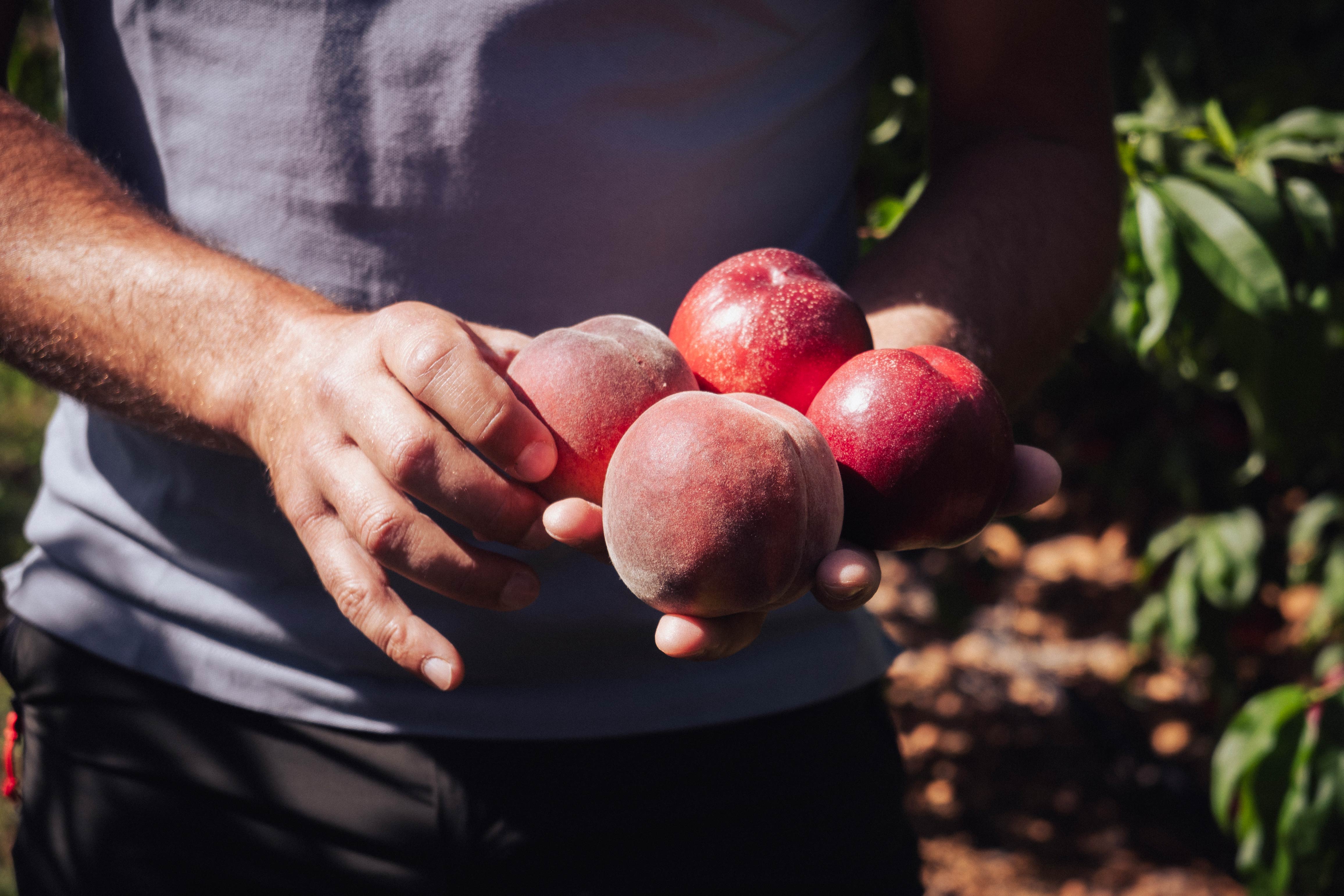
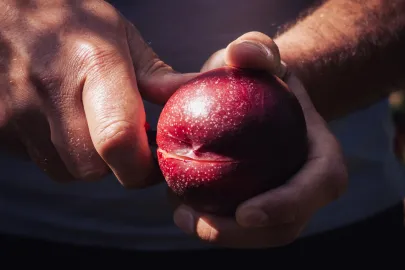
In the minds of many consumers, peaches and nectarines are two quite distinct fruits. Yet they are much more alike than they seem at first glance. “The main difference between a peach and a nectarine is the skin. Peaches have a fuzzy skin, whereas nectarines have a smooth skin,” explains Romain Zoroddu.
Both fruits actually grow on the same fruit tree. But the nectarine comes from a natural mutation of the peach. Beyond their appearance, however, there are a few subtle differences in flavour. Nectarines often have firmer flesh and a tangier flavour, while peaches are distinguished by their softer, particularly juicy texture.
A fruit requiring delicate care
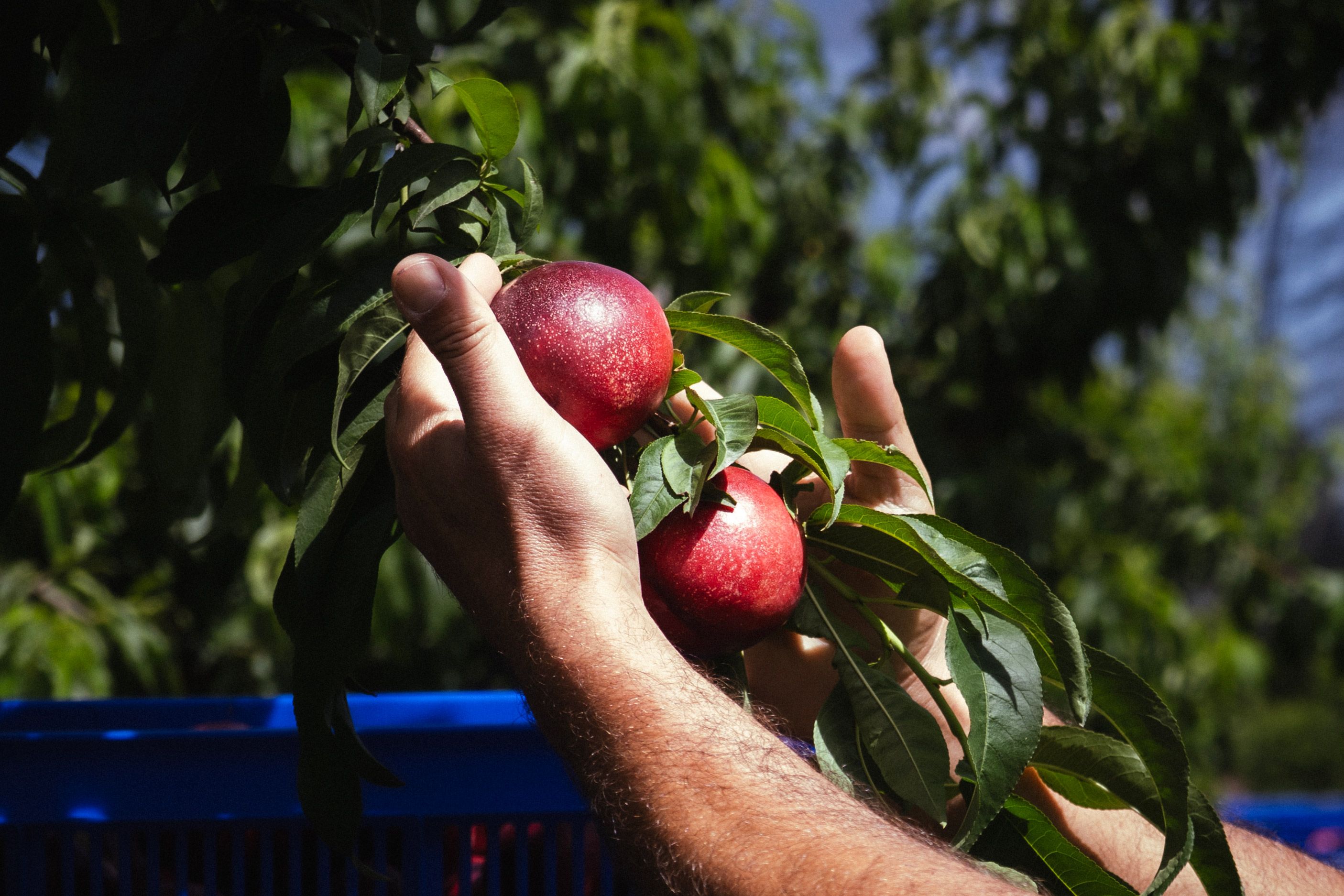
Unlike some highly mechanised crops, peaches are a fruit that still requires constant human intervention. “Growing peaches and nectarines is still very much a labour-intensive process because they are delicate fruits,” the fruit grower points out.
The work begins long before the first fruits appear. After their winter dormancy, the trees begin to bloom in the very first months of the year. Then come the various stages that set the rhythm of life in the orchard: winter pruning, blossom or young fruit thinning, and finally summer pruning to help maximise sunlight and colouration.
Machines are predominantly used during the grading and packaging stages, while most of the work in the orchards is still done by hand. Harvesting also requires a great deal of precision. Each variety has its own ripening window, and the fruit must be picked at just the right time to ensure the best possible balance between sugar content, texture and shelf life.
But for Romain Zoroddu, fruit quality starts much earlier, right from the orchard’s first few years. “An orchard can last up to 20 years. But the early years are the most crucial, as the trees need to be trained properly right from the start.”
Facing climate challenges
One reason why peach growing requires such a high level of expertise is that it remains heavily dependent on weather conditions. Today, spring frost remains one of the main concerns for growers. A few overly cold nights during the flowering period can compromise an entire crop. “The turning point is when the danger of late frost is finally behind us. Once that period is over, we can start to feel a bit more relaxed,” says the producer.
But in recent years, as a result of climate change, a new obstacle has come along to complicate things: hail. “The increasing frequency of hailstorms poses a growing and major threat. Year after year, they threaten to wipe out an entire harvest.”
A French signature
French peaches and nectarines are primarily grown in the south of the country. This includes Romain Zoroddu’s Gard region, of course, but not just there. The fruits can also be found in Provence, Roussillon, the Rhône Valley, Occitanie and even Corsica.
This identity is built on decades of extensive work in varietal selection. It is painstakingly precise work by growers who are constantly seeking the perfect balance between flavour, firmness, yield and disease resistance.
The taste of summer
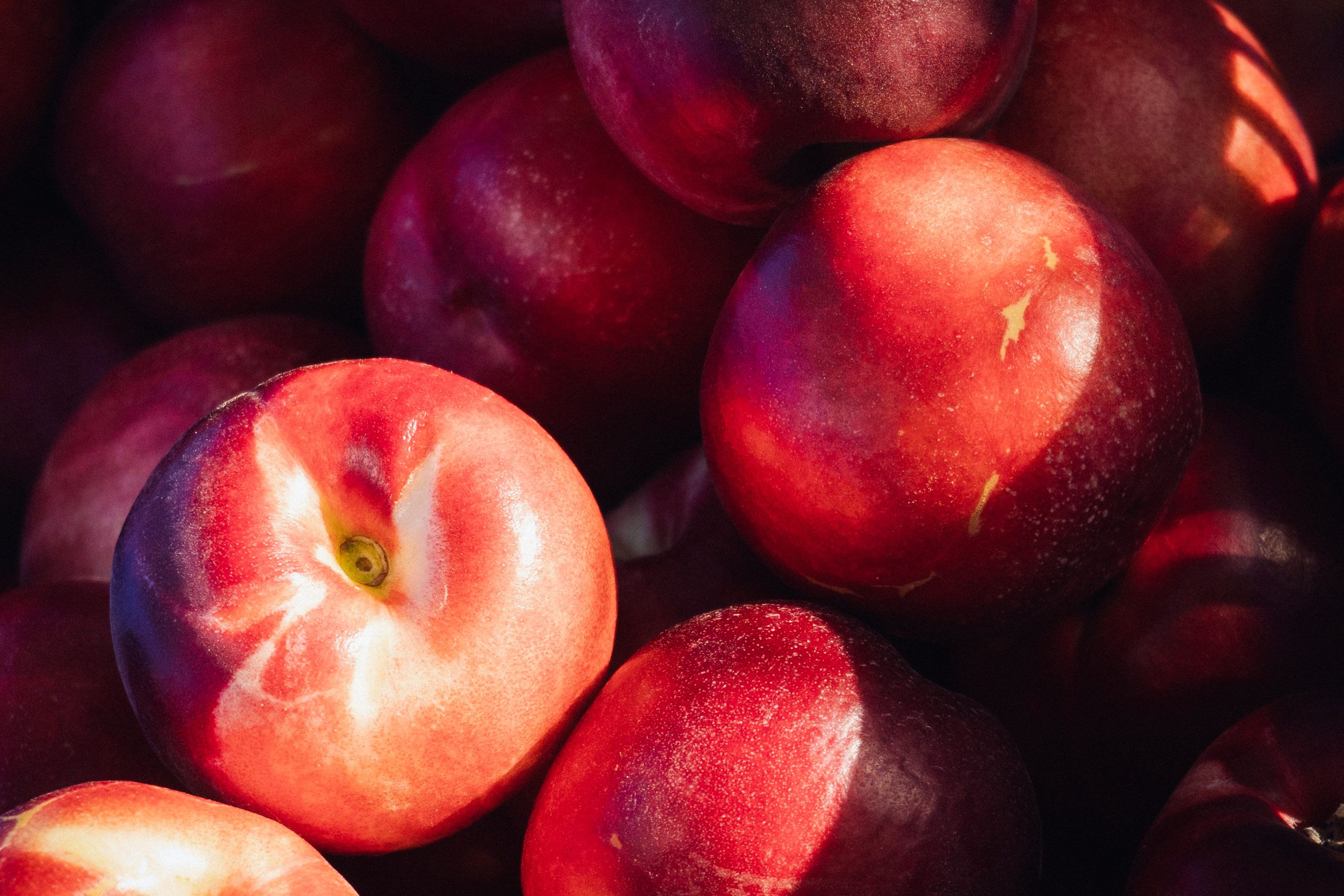
If peaches and nectarines hold a special place in consumers’ hearts, it is also because they are invariably associated with the return of fine weather and rising temperatures. “There’s no denying it: these are the quintessential summer fruits that the French look forward to every year,” observes Romain Zoroddu.
Their appeal is also fuelled by their rarity and short season. So let’s make the most of it, while bearing in mind that this sweet interlude will be short-lived. “When you see a peach or a nectarine, it immediately makes you think of sunshine, summer and the south of France. More than just a fruit, they are a symbol – a point of reference. Sometimes even a sweet trip down memory lane.”
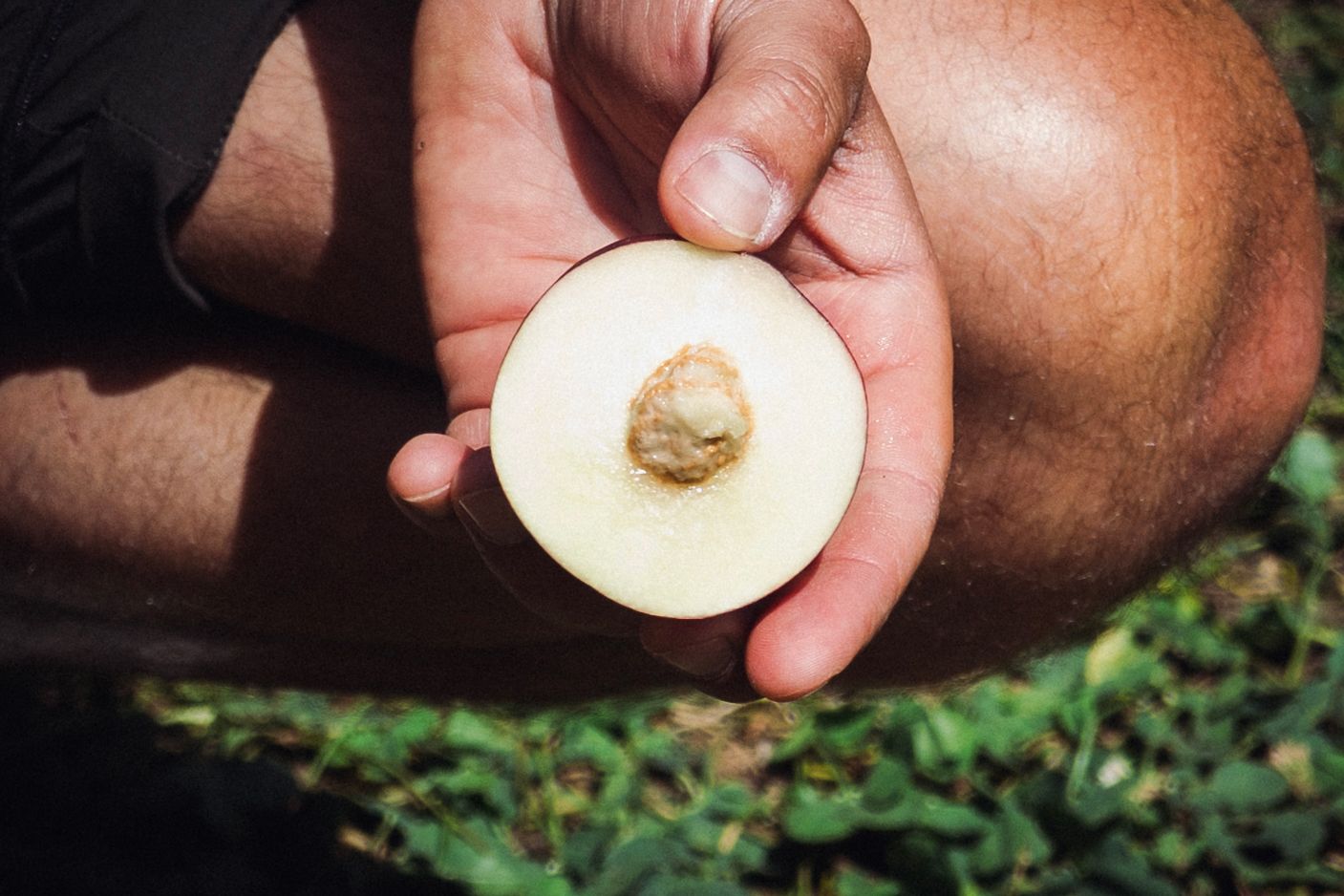
Even today, after all these years, the pleasure is just as sweet when Romain Zoroddu tastes one of his fruits at optimum ripeness. “Every time, I feel a tremendous sense of satisfaction. It’s a real source of pride, because behind every beautiful peach or nectarine lies genuine craftsmanship and constant care.”
A sense of pride that goes beyond the notion of productivity and the satisfaction of a job well done. With each harvest, growers keep a family tradition and the heritage of French fruit-growing alive, season after season.
On the same subject
MEET THE MAKERS
French potatoes: no ordinary treasure
In partnership with CNIPT - Potatoes from France
MEET THE MAKERS
Peaches: a source of French pride with a taste of summer
In partnership with Fruit and Veg from France
MEET THE MAKERS
French carrots: pride and passion for the land
In partnership with Fruit and Veg from France
Most popular this week