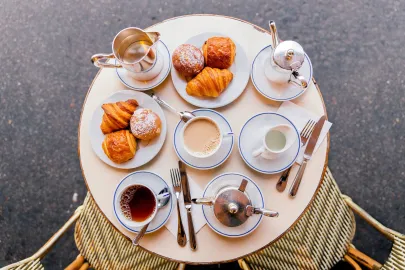
Tournedos Rossini, filet Chateaubriand, Pêche Melba: Many famous French dishes like these are named after the life, work, and art of famous figures from history. Let’s dive into the world of French foods named after famous people.

Brillat-Savarin
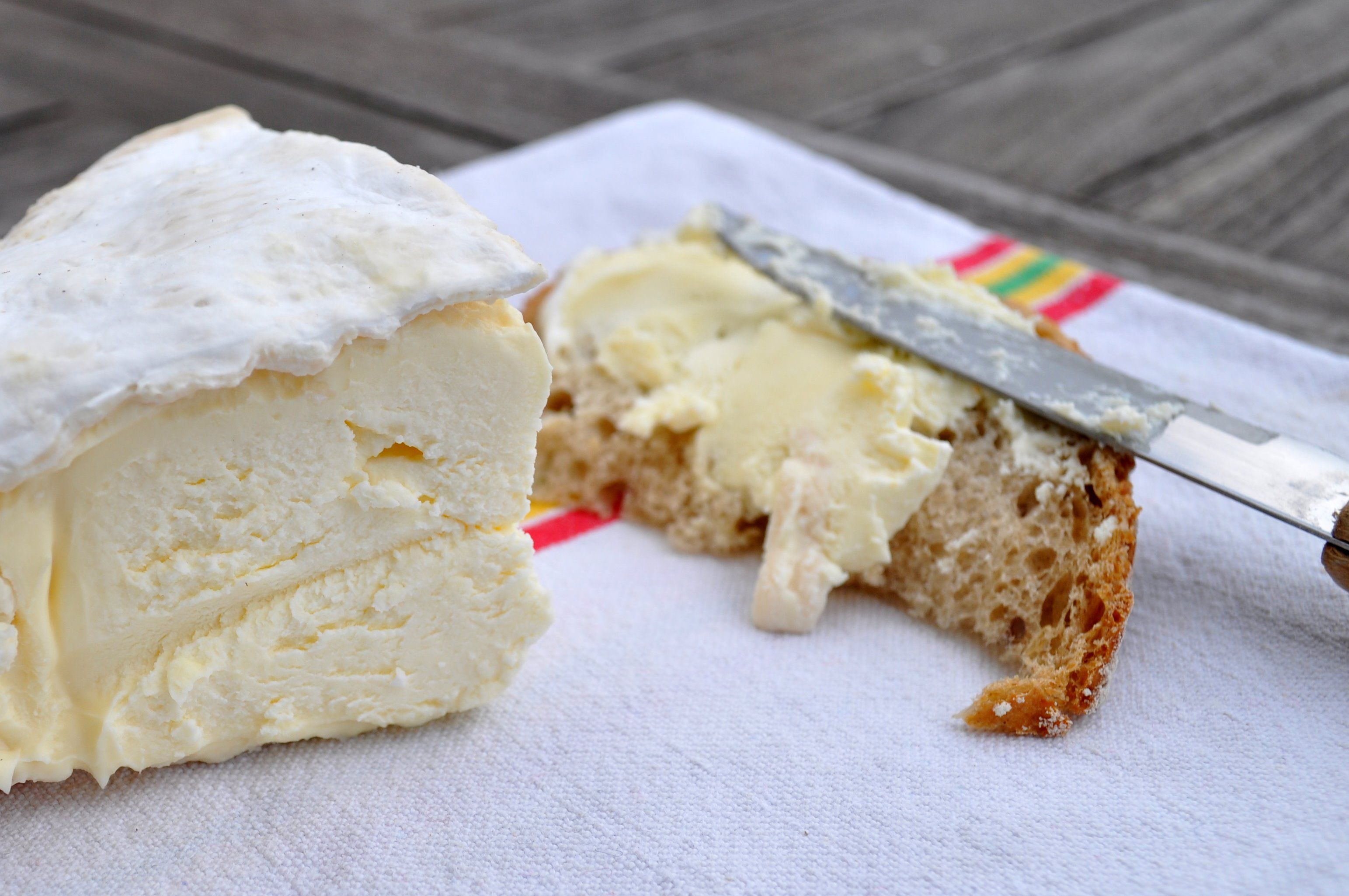
Brillat Savarin is an extraordinarily gourmet cheese named after one of France’s most extraordinary foodies, the chef and author Jean Anthelme Brillat-Savarin.
Brillat Savarin’s bestselling book, A Physiology of Taste, is part-memoir, part travel guide, and part manifesto about the art of eating. It became an instant commercial hit when it was published in 1825 and stands today as one of the founding texts that helped the French “arts of the table” become famous. You may be familiar with his best-known quote: “Tell me what you eat, and I’ll tell you what you are.”
The cheese named after him is made throughout France, but primarily in Burgundy. It was formalized in the 1890s and renamed after Brillat-Savarin in the 1930s. A triple-cream cow’s milk cheese containing a decadent 72% fat content, it is unctuous and rich and plays well with a variety of sweet and savory pairings, from fresh fruit and jams to charcuterie. Try it with a glass of champagne, and raise a toast to France’s first great food celebrity.
© Frédérique Voisin-Demery
Peche Melba
August Escoffier did more than most to elevate and establish the tradition of French Haute Cuisine. But the work didn’t stop at the plate. Escoffier took great pains to seed the work he was doing in the kitchen into the consciousness of the wider artistic community, and link food with the other great art forms thriving in Paris and London in the late 1800s.
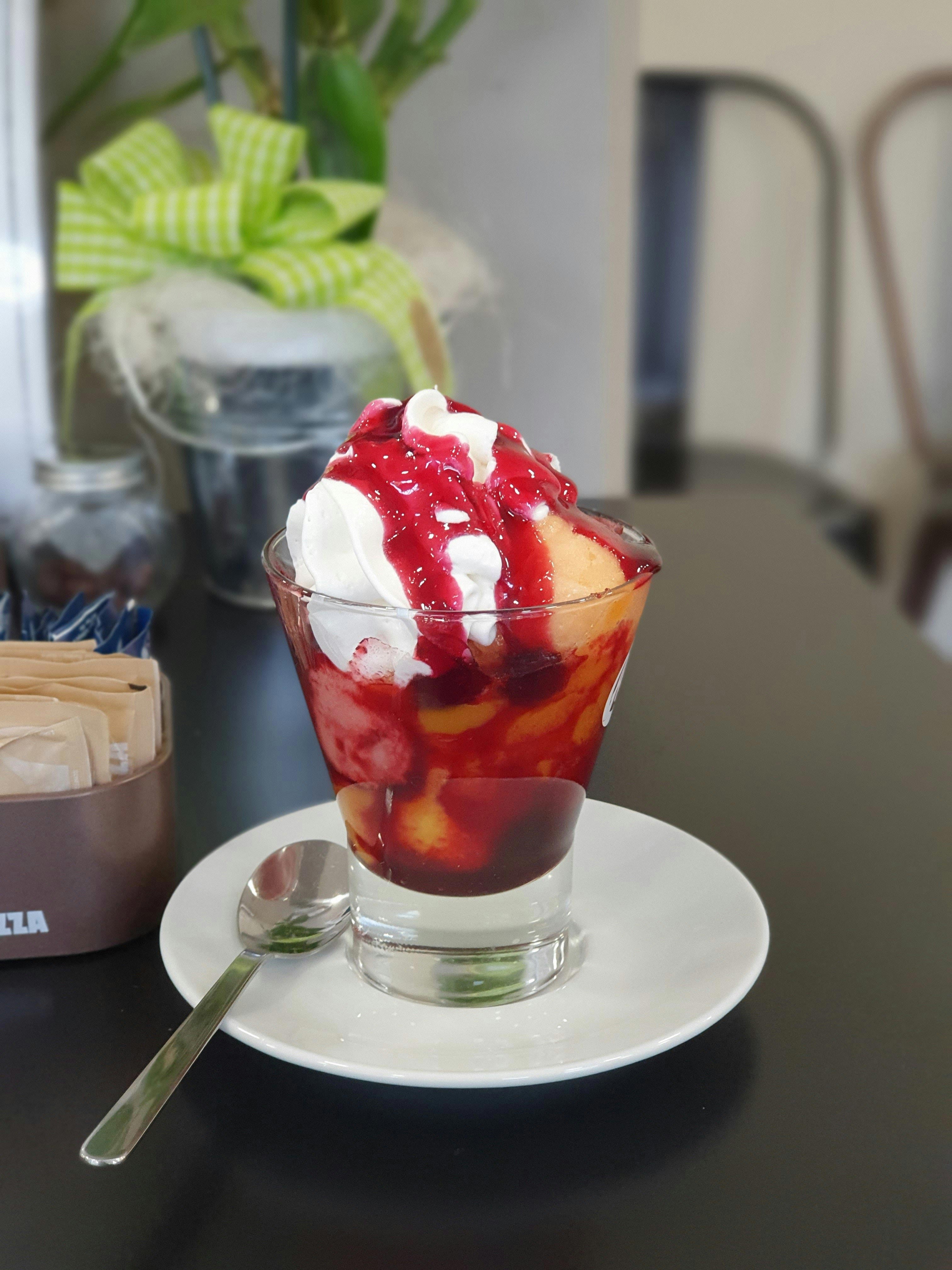
In 1892, Escoffier created a novel dessert called Peche au Cygne, which he served to opera singer Nellie Melba when she visited the Savoy hotel in London in 1892. Nellie’s recent performance of Wagner’s Lohengrin had been a huge hit, and the novel dessert featuring fresh peaches, vanilla ice cream, and raspberry sauce became one as well. Escoffier brought the recipe to his future restaurant projects and it took on the name of the opera singer who he first honored with it. Peche Melba remains a classic to this day.
© Lama Roscu
Tournedos Rossini
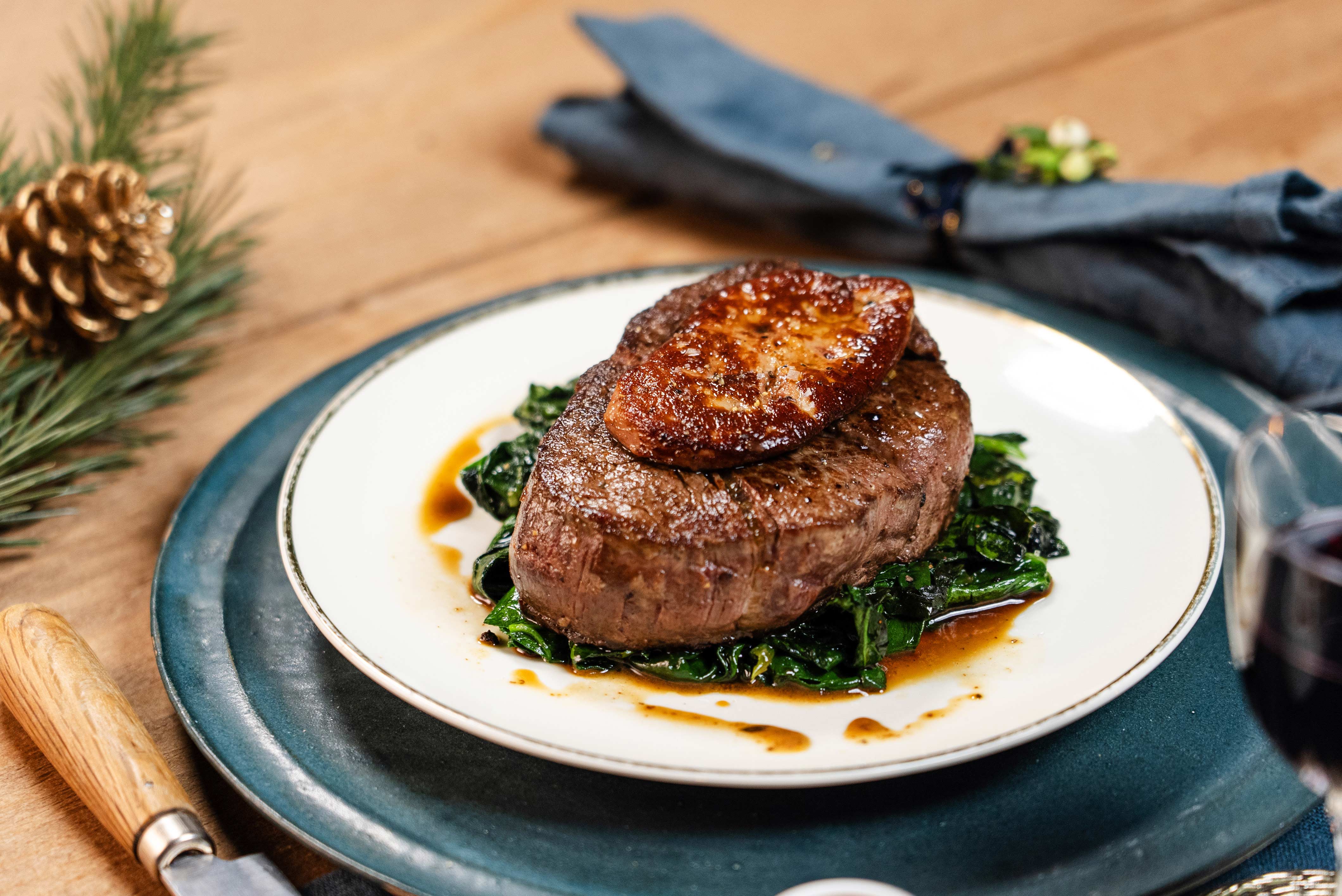
Tournedos Rossini is a decadent preparation of filet mignon garnished with a slice of truffle, foie gras, and rich Madeira sauce. It is attributed to the grandfather of French cuisine, Marie-Antoine Careme, under the watchful (and hungry) supervision of his good friend, composer Gioachino Rossini.
Rossini was famous across Europe as a composer of the early Romantic period. He was also famous amongst his friends and contemporaries as a true gourmet capable of throwing extravagant dinner parties. Rossini dreamed up this decadent steak dish and, as the story goes, his friend Carême made it a reality.
If you’re travelling to Paris, you can still find this showstopper at classic culinary institutions like Chez Dumonet or Maxim’s. Or, you can try your hand at it yourself with this recipe.
Hachis Parmentier
Antoine Auguste Parmentier is famous for promoting the potato as a staple food to a skeptical French public in the late 1700s. He is remembered for placing potato flowers in the buttonholes of Louis XVI and Marie Antoinette, posting armed guards to protect his experimental potato patches, and is interred at Paris’ Pere Lachaise cemetery, in a tomb surrounded by potato plants.
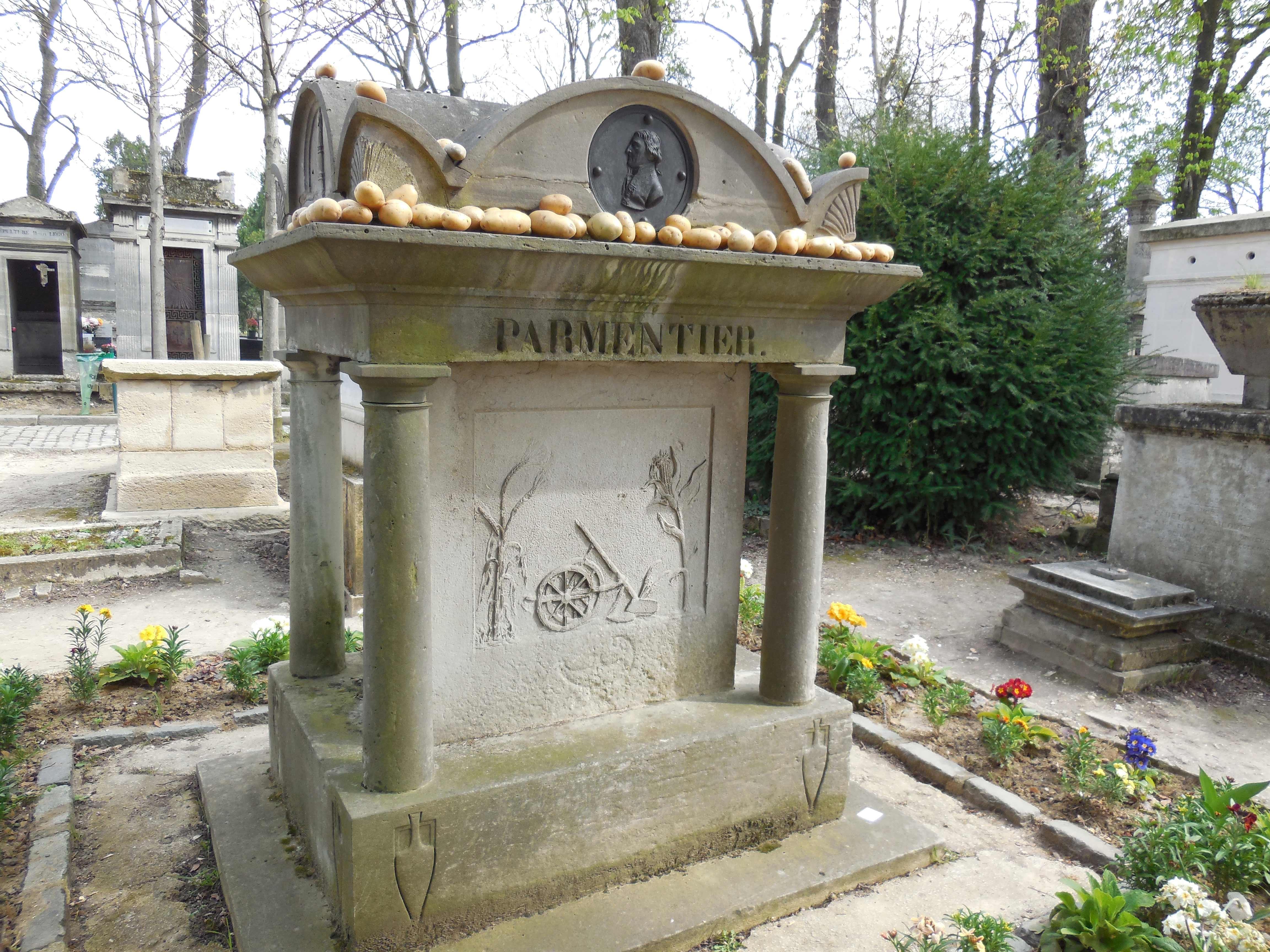
© Bart Hölscher
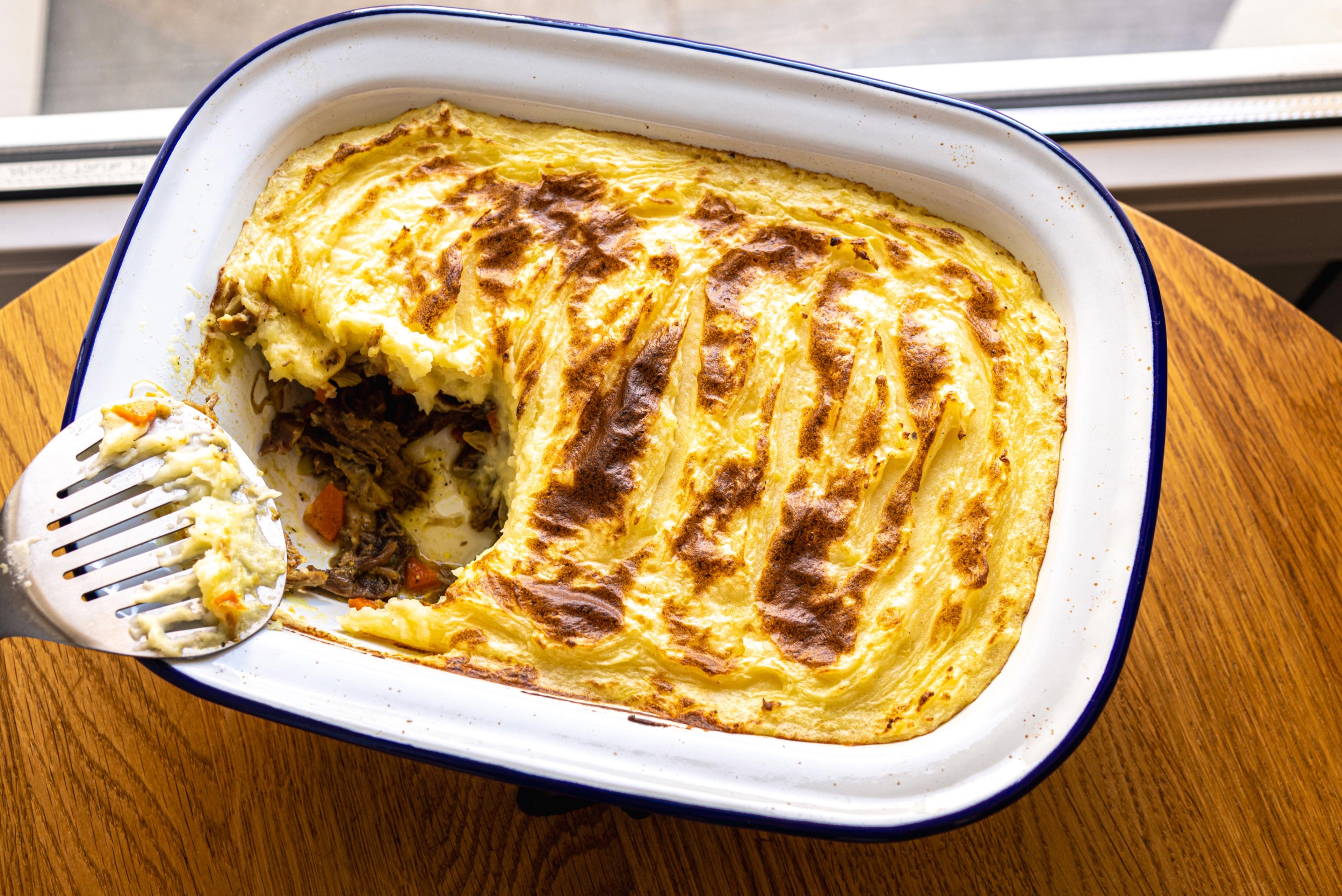
His work to elevate the humble potato is honored in the names of some beloved national potato dishes. Hachis Parmentier is a refined shepherd’s pie of beef and creamy pureed potatoes popularized in Paris bistros after his death. Today it’s a nationally-recognized comfort food, appearing in fine restaurants and grocery store shelves.
Chateaubriand
Still a classic of French bistrots today, the steak chateaubriand is named for Francois-Rene de Chateaubriand, a French statesman and author of the Romantic period. In his personal dining room, his favorite dish was a delicate cut of filet, similar to a filet mignon, prepared rare with a sauce of white wine, butter, shallots, and tarragon.
Chateaubriand’s personal chef made the private dish public after the author’s death, and it spread through the culinary community to take its place on restaurant menus.
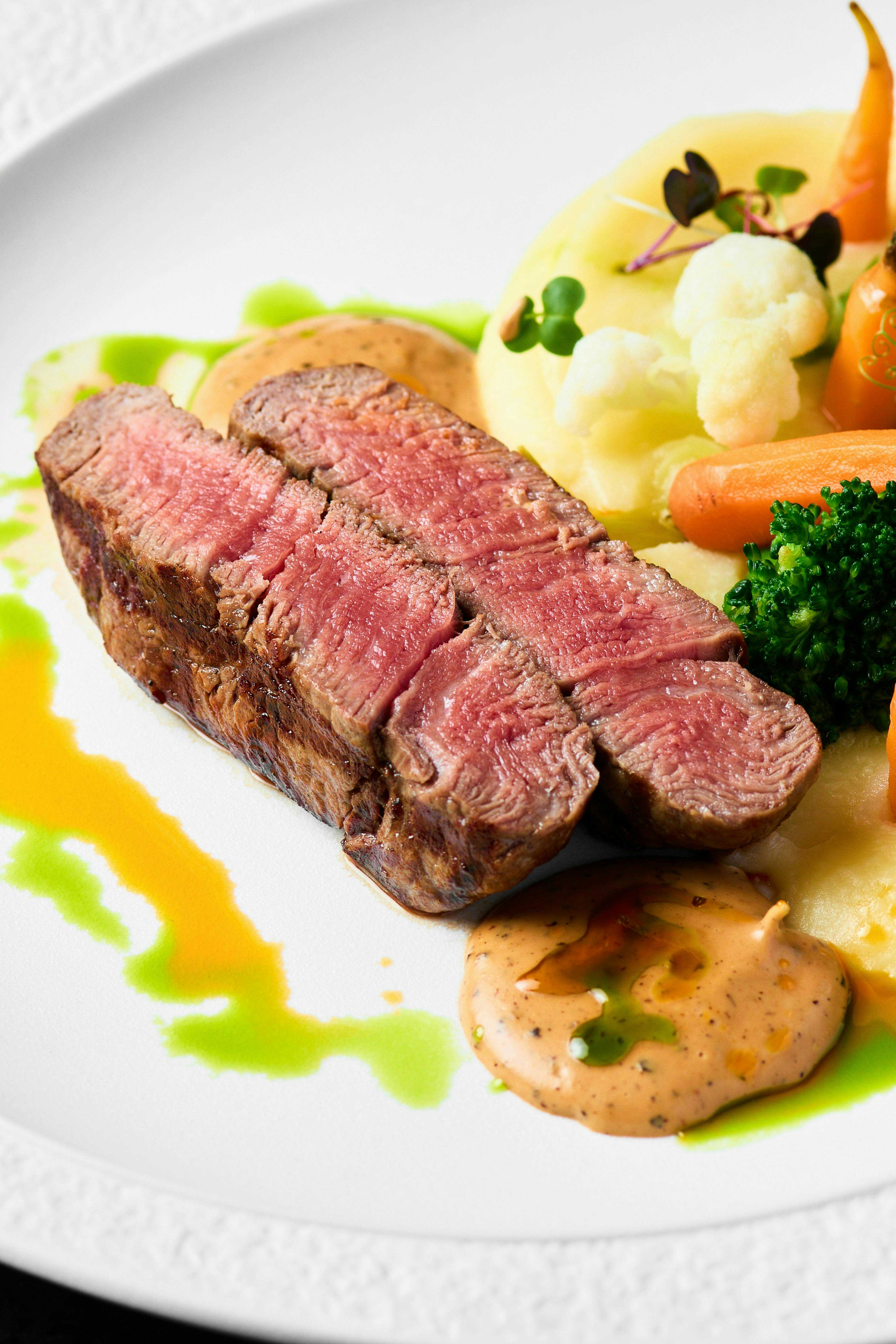
© alexanderafan
La Tropezienne, or “La Tarte Brigitte Bardot”
Duck into a local patisserie in Saint-Tropez, and you might find a new famous French pastry name being born in real time.
Commonly called La Tropezienne, this brioche cake with a generous layer of pastry cream was created by local pastry chef Alexandre Micka in 1952. It became a favorite of the actress Brigitte Bardot while shooting the classic film And God Created Woman in 1955. As Bardot’s star rose, the notoriety of her favorite pastry did too.
Upon Bardot’s death in 2025, some local pastry shops paid homage to the famous actress by naming versions of the Tarte Tropezienne “Tarte BB” or “Tarte Brigitte Bardot.” It remains to be seen if the new name will stick to this famous pastry’s most famous advocate.
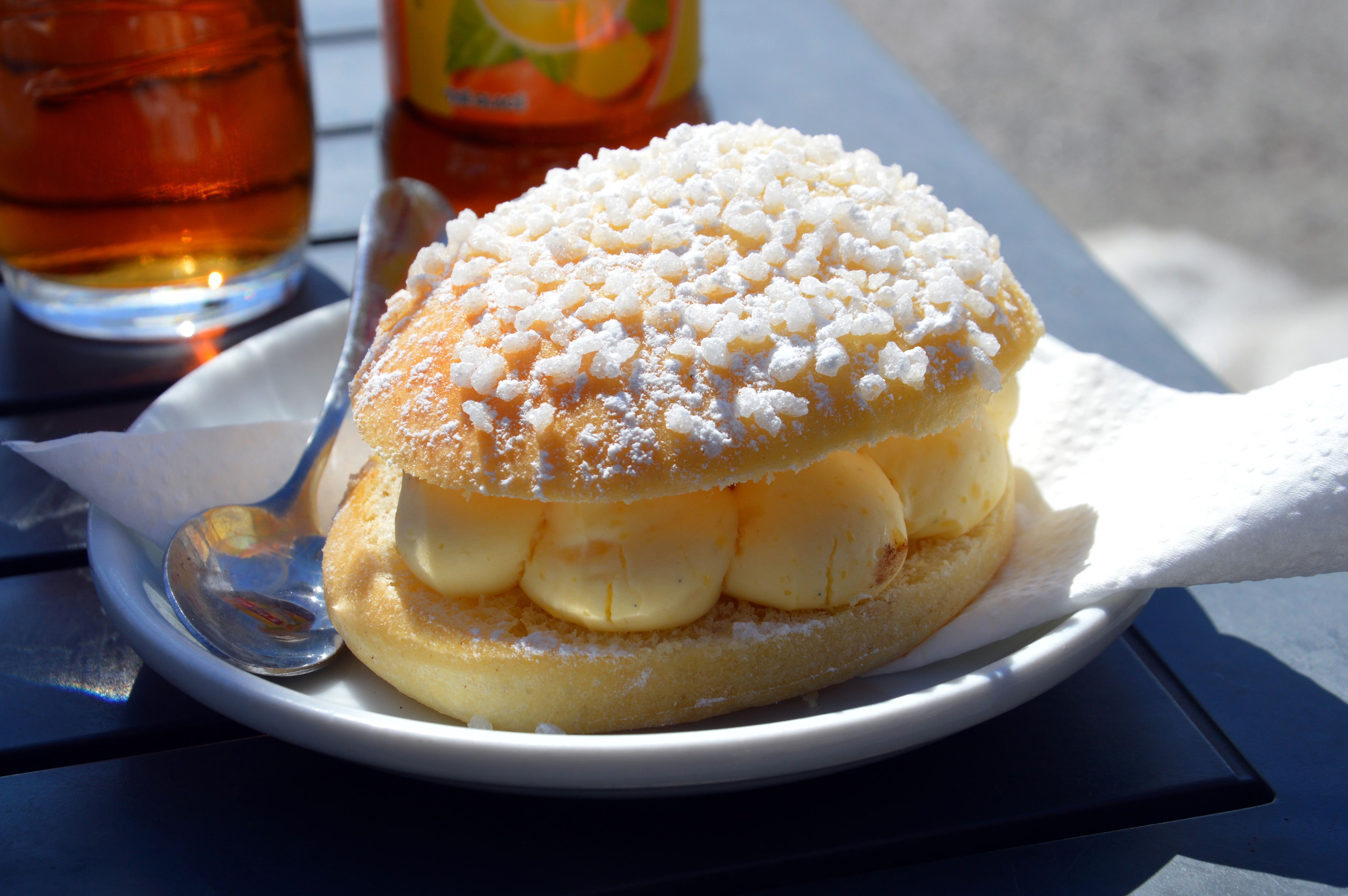
© DimiTalen
Culinary giants like Marie-Antoine Careme and Auguste Escoffier often named dishes after famous contemporaries to link the culinary arts to the wider world of arts and culture around them. Cooks and bakers have named products after famous customers and inspiring foodies for generations. And the allure of eating like France’s famous writers, musicians, and politicians has played an important part in celebrity culture for centuries. With every bite, these dishes tell a story, preserve a tradition, or invoke a cultural memory.
Contributor
Christian Letourneau
Cook & writer
Tags
On the same subject


Most popular this week