The start of summer in France means a lot of things. Fresh melons, aperitif on the terrace with friends, or a cold glass of Pastis in the sun, for instance. It’s also time for one of the country’s favourite communal experiences: The kickoff of the Tour de France, the multi-week, cross-country bike race that has captured our attention every summer for the last 113 years.

Each year’s course draws a different path through the nation’s 101 departments. Each new course is an opportunity to get acquainted with new corners of this vast and diverse country. It’s also a great excuse to learn about France’s nearly endless regional gastronomic delights.
The 2026 edition passes through hallowed wine country, legendary pasturelands, and truffle hotbeds. Here’s our guide to the top culinary destinations along the 2026 Tour de France- and what we’re stopping to eat along the way.
The Grand Depart: Barcelona
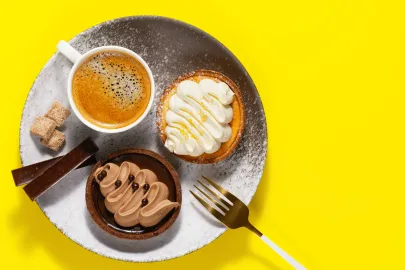
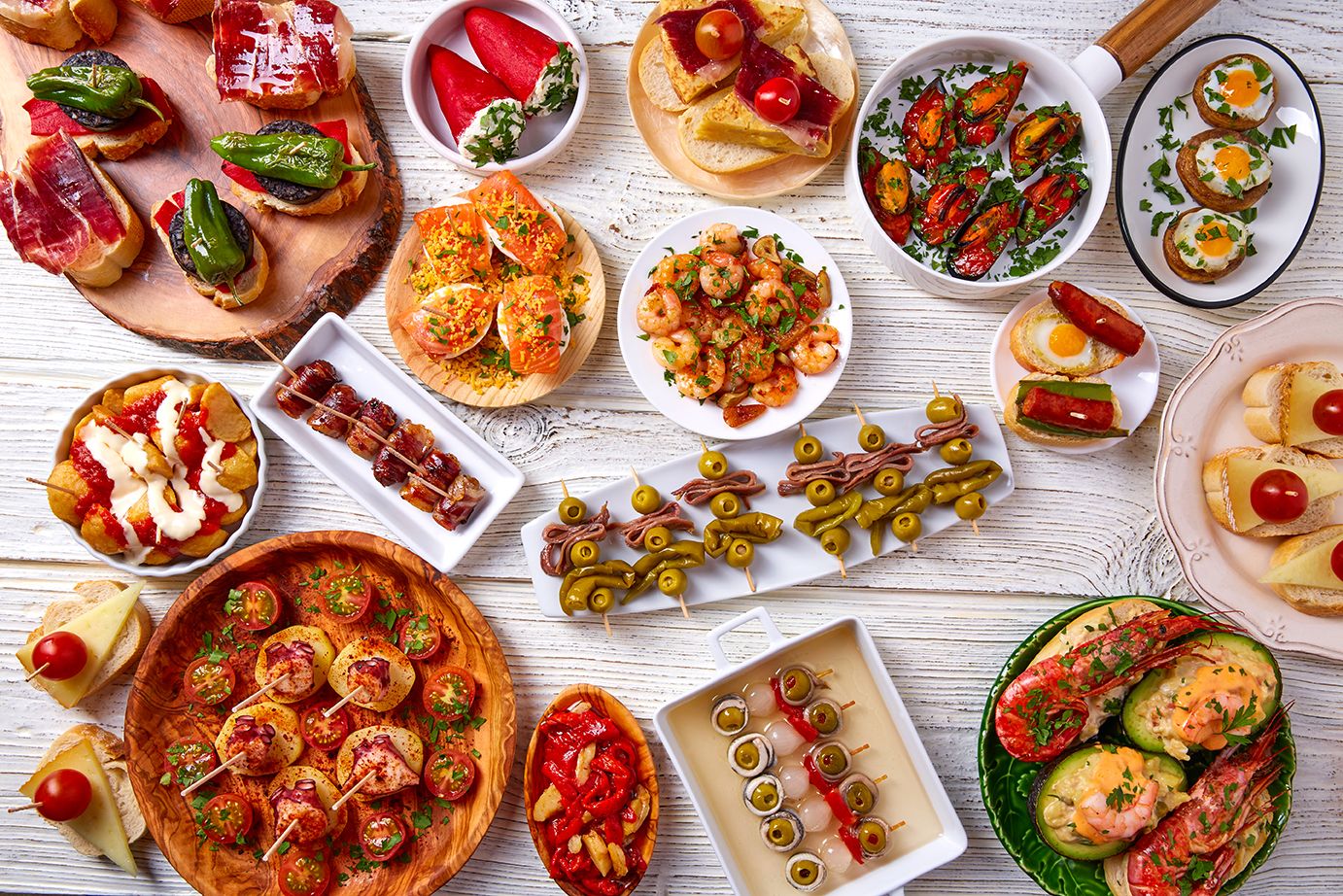
Occasionally, the Tour’s kickoff occurs outside of the country’s borders, in neighboring countries like Germany, Italy, or Belgium. This year the Grand Depart kicks off on July 4th in Barcelona. The province of Catalunya shares a lot of culinary values with its Gallic cousins across the Pyrenées. For the unique occasion, we have imagined a mashup list of Spanish tapas and French flavours for your Grand Depart watch party: Tapas a la Francaise.
The Pyrenées: Carcassonne to Pau
The first few stages of this year’s tour climb into the Pyrenées mountains at Les Angles and plunge down the other side to the medieval fortress city of Carcassonne, in the heart of southwest France. These warm, mountainous pasturelands are grazed by Lacaune sheep known for nutty, rustic semi-hard cheeses like Ossau Iraty and Tomme de Pyrenées.
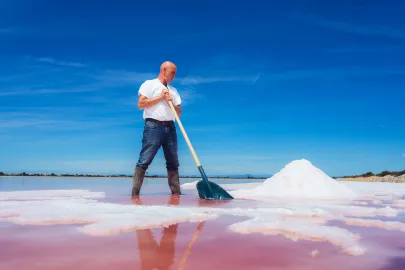
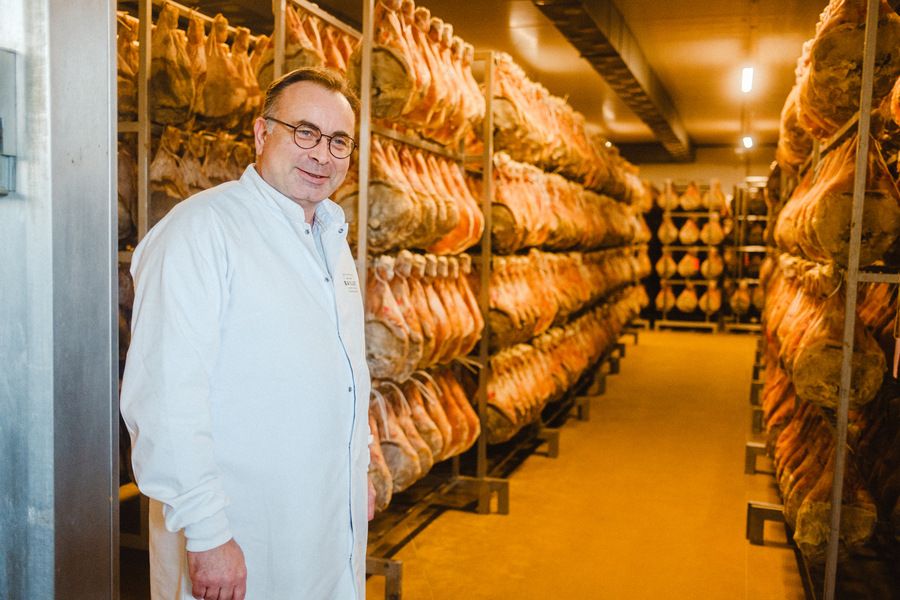
As the tour heads west towards Pau, it passes through regions where ham and charcuterie are practically religion. The famous Jambon de Bayonne and Porc Noir de Bigorre come from these southwestern valleys, where the famous Bearn salt springs, abundant grains and cereals, and gentle dry summers are ideal for charcuterie.
Luxury in Bordeaux
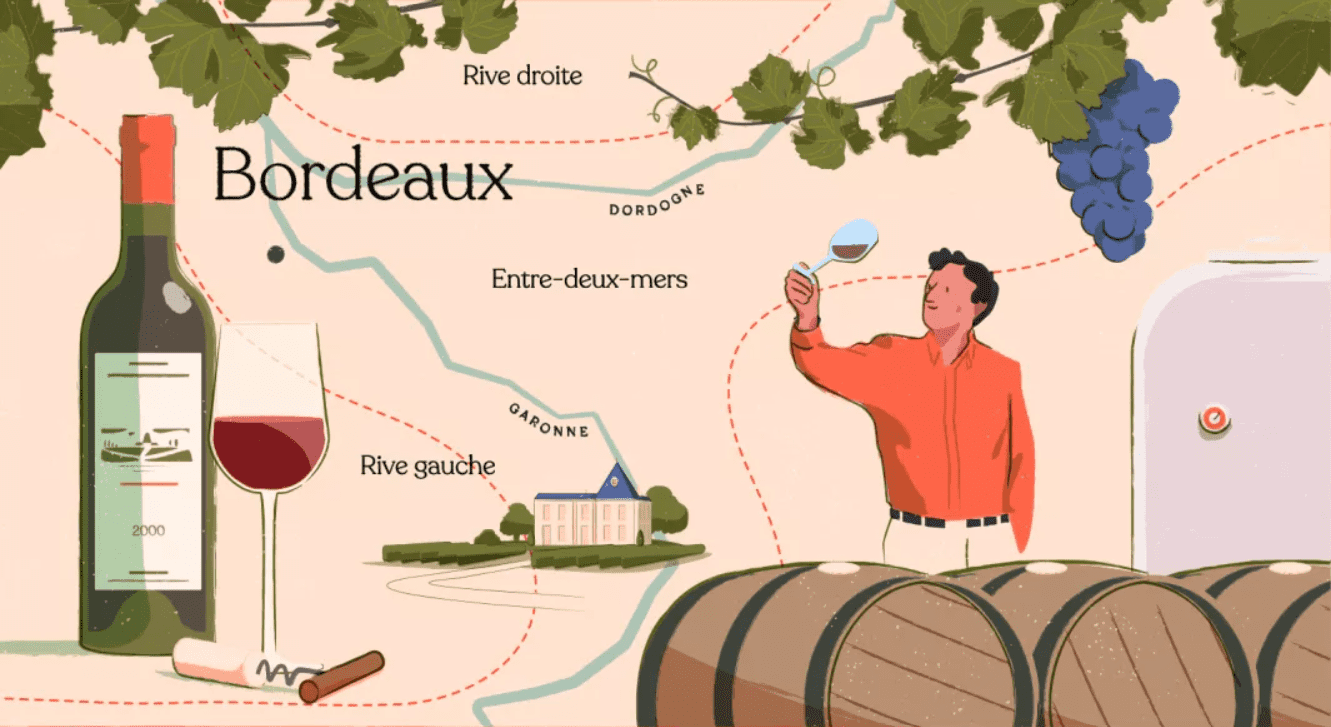
Stages 7 through 9 of the tour climb up along the Garonne river valley, leaving behind the rustic cheeses and cured meats of the Pyrenées for the refined viticulture of the Bordeaux region. Along the Garonne’s left bank, the founding fathers of French wine culture– Lafitte, Latour, Mouton– produce some of the most famous wines in the world. Whether you’re more rive gauche or rive droite, you can read up on the legendary terroir of the region in this guide.
As if this section of the tour wasn’t luxe enough, the race leaves Bordeaux and passes through Bergerac and Périgueux, home of the coveted Perigord truffle. Then, it rides through the grazing lands of Limousin beef, a lean variety of cattle with a delicate flavour that is excellent for rare searing and dry aging. If you were thinking of travelling to watch the Tour this summer, it doesn’t get much more gourmet than the Bordelais stages.
Cantal: A Day Off on “Le Grand Plateau de Fromages”
After a week and a half of hard riding, the Tour takes a break on the 13th of July in Cantal. Cantal sits at the southern end of the massif central, an ancient volcanic plateau that occupies the center of France. Its dormant volcanoes shade rich, dark soils coated with biodiverse grasslands home to the cows that produce some of France’s most famous cheeses.
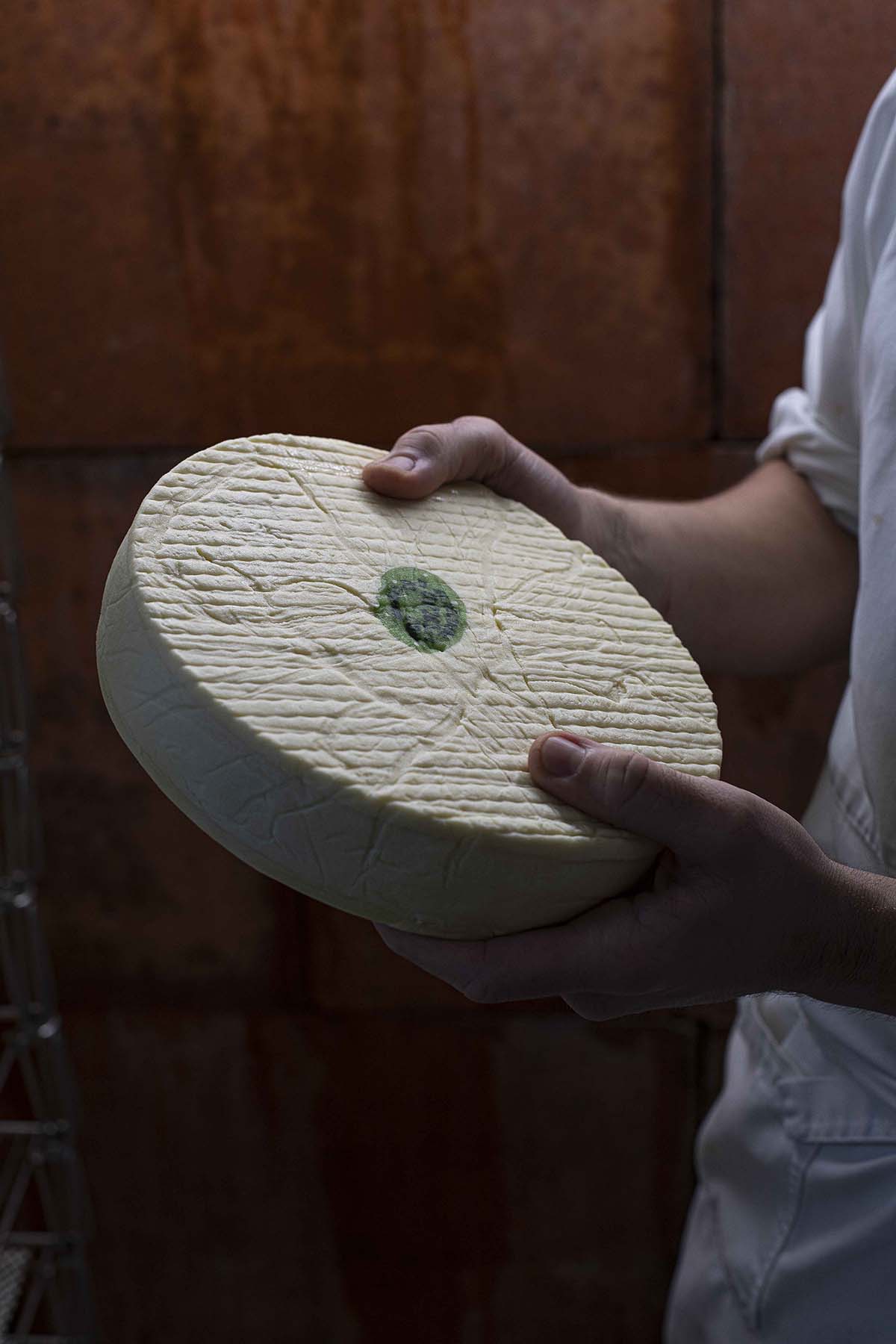
Cantal is the product of one of the oldest documented cheesemaking traditions in the world. Delicate Fourme d’Ambert and grassy Bleu d’Auvergne might just win over the staunchest of blue cheese haters.
Maybe the Tour de France planners are big fans of Saint Nectaire. It’s the perfect time to cut into a wheel of this highly seasonal cheese. With a relatively short maturation period of 3 weeks, Saint Nectaire showcases the complexity and character of the milk itself, and the flavours of early spring and summer pastures really shine in early July. Don’t eat too too much cheese though. We’re only half way there.
Alsace
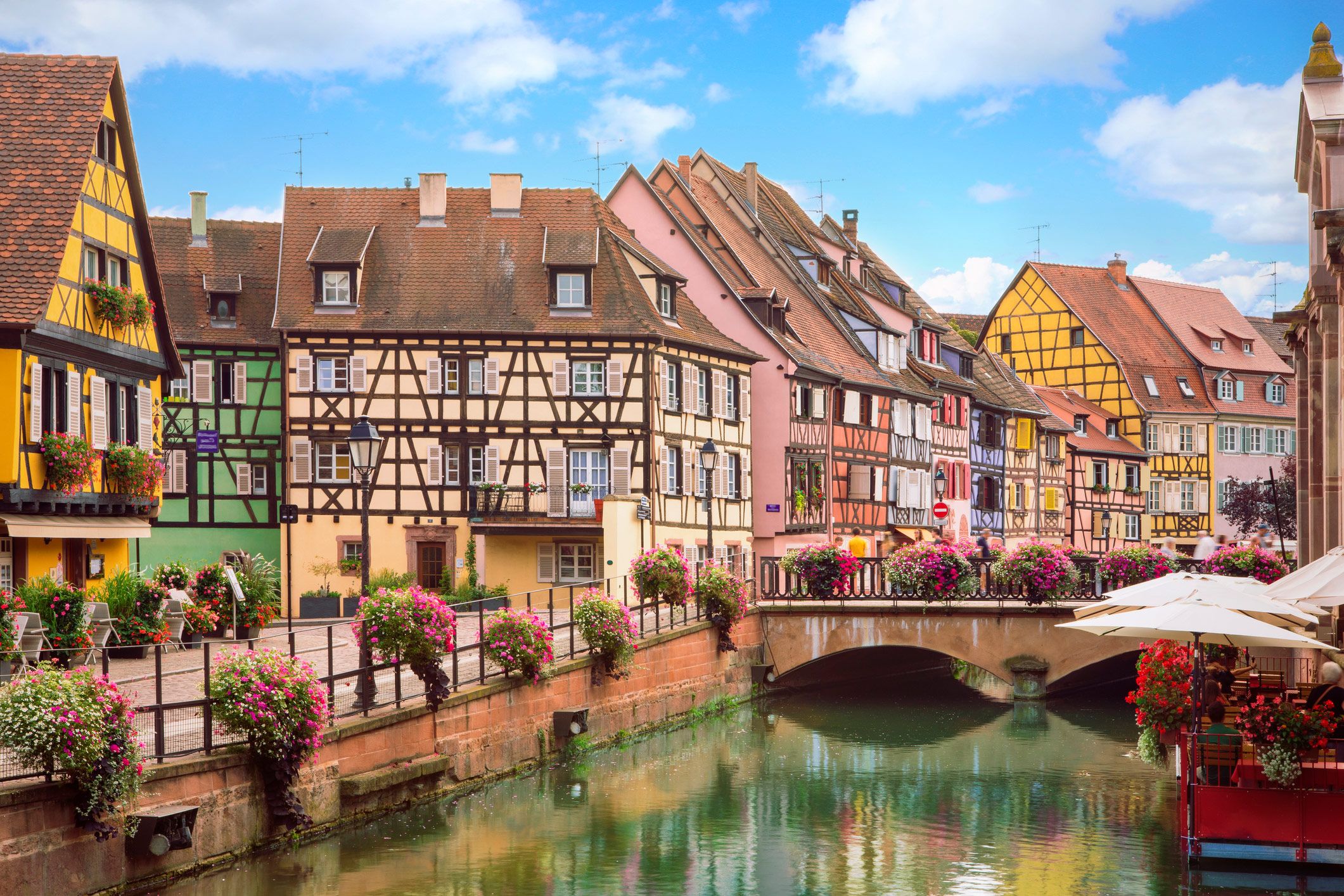
By way of Burgundy and Franche-Comte, the tour arrives on the northeast frontier of France in the Alsace region. The agriculturally rich Rhine river valley forms the modern border between France and Germany, and the region’s wine, language, and cuisine reflects the cultural exchange between the two countries. The refreshing Alsatian wines of the Rhine valley are made from terraced vineyards full of Gewurtztraminer, Pinot Gris, and Riesling that rise above the river. The food tends toward heartier fare, like Tarte Flambée or the smoked, snappy Saucisse de Strasbourg. After a long day’s ride, a good Saucisse Puree and a glass of Crémant d’Alsace would make for an exquisite, restorative meal.
The French Alps
Then, the tour drives south into the French alps, where the peaks get taller, the valleys more dramatic, and the famous yellow jersey, worn by the race’s overall leader, is won and lost on the dizzying curves of these famous mountain stages. From cycling to skiing and alpinism, this region is a legendary sporting territory.
It’s legendary culinary territory too. The Savoie region brought emmental and raclette cheeses to the world. Monks in the massif chartreuse produce the famous alpine spirit of the same name. The region’s cuisine is ready-made to fight the calorie deficit you’ve worked up cycling up and down all those mountains. Gathering round a traditional raclette or fondue tastes all the better when you’ve worked up an appetite.
Finally, Paris
As always, the Tour de France’s final day snakes through the narrow streets and Hausmannian Boulevards of the capital. It’s here that all these incredible regional products gathered from all over the hexagon find a home in the thriving capital’s restaurant culture. Arriving at the Champs Elysées, the Tour comes to a close. It’s an annual tradition that is more than a mere elite competition. It’s a yearly opportunity to travel the length and breadth of this diverse country– from the saddle of your bicycle, or from the comfort of your own couch.
Contributor
Christian Letourneau
Cook & writer
Tags
On the same subject


Most popular this week