A Taste of Alsace: Food, Wine & Travel Guide

A bit about Alsace
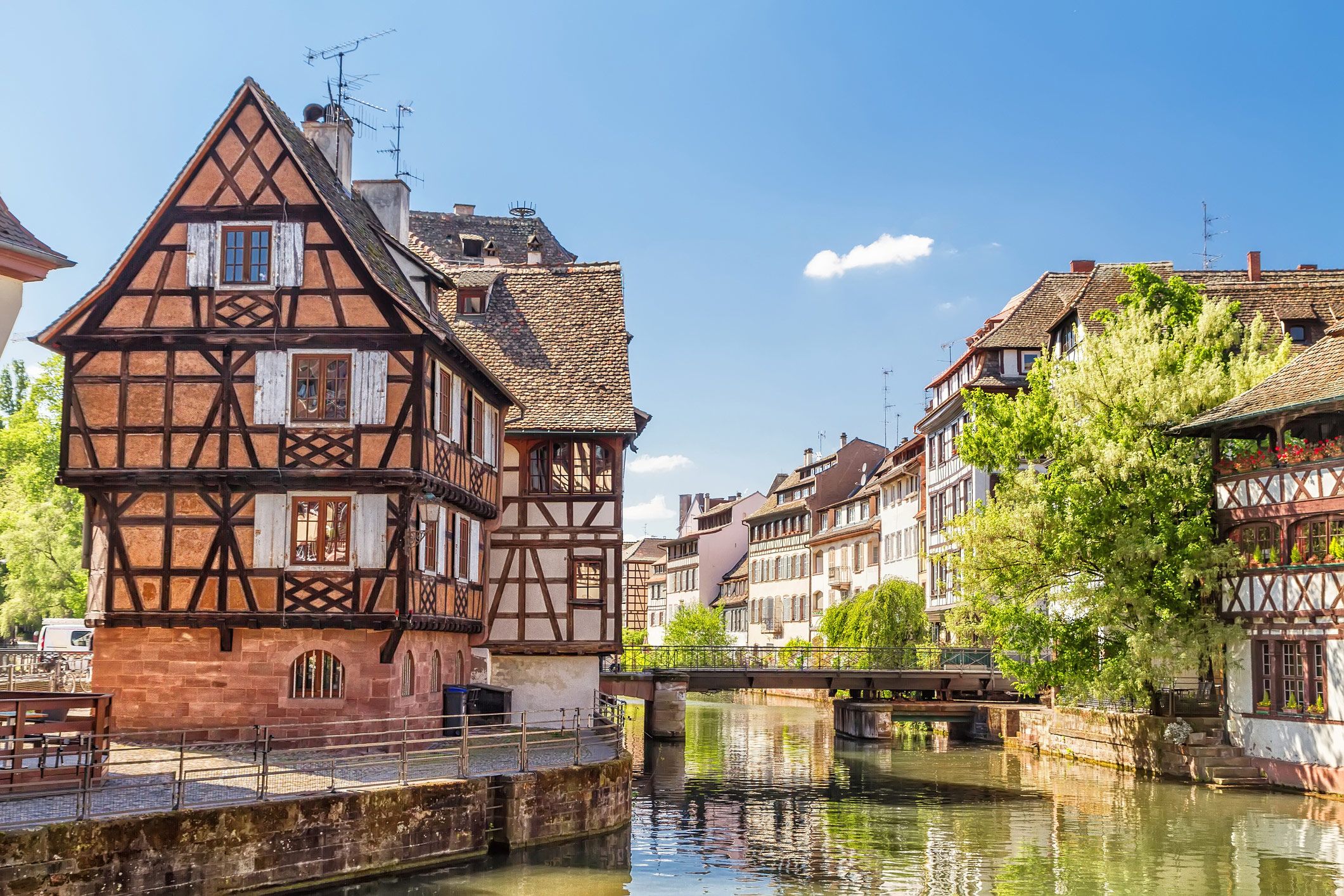
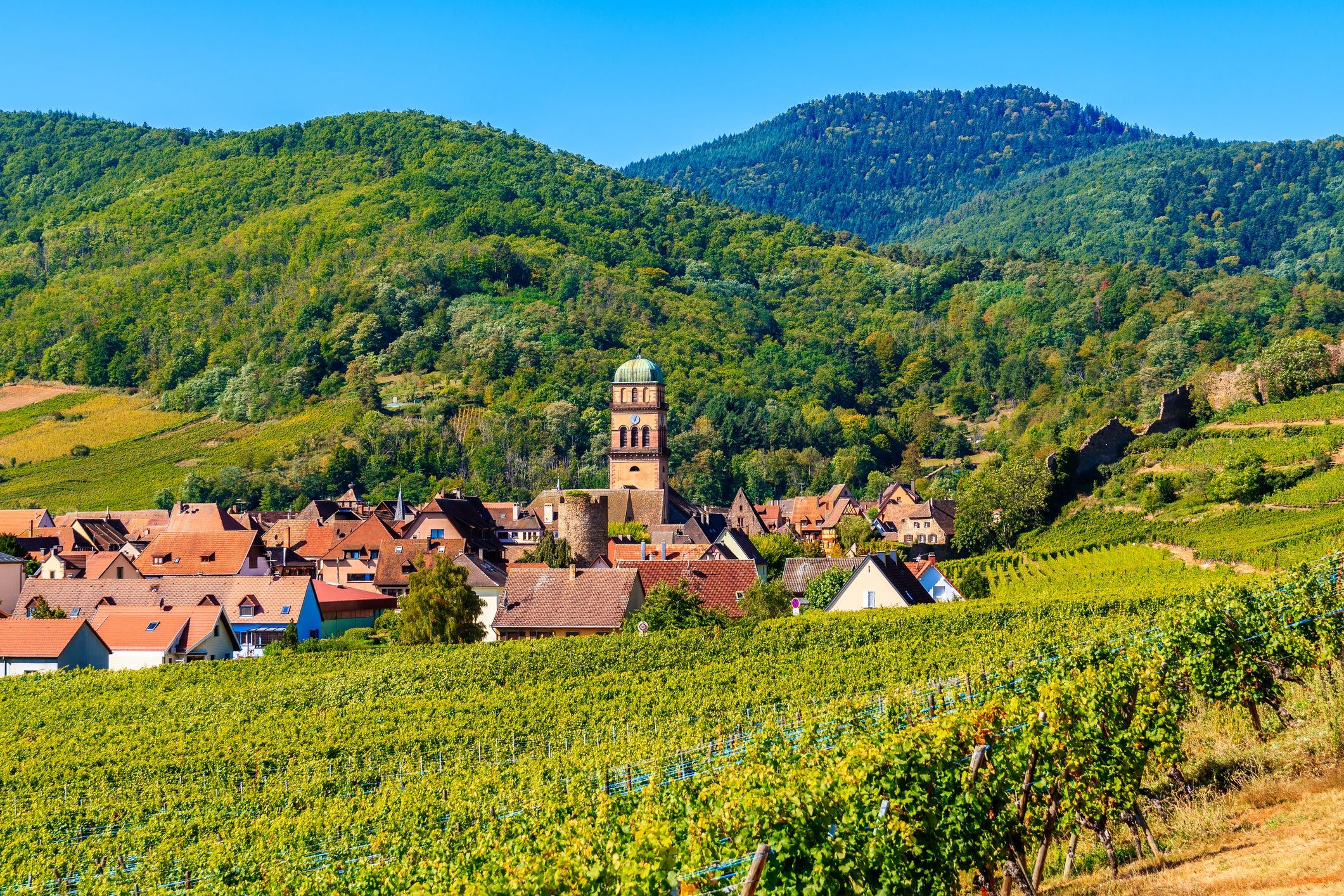
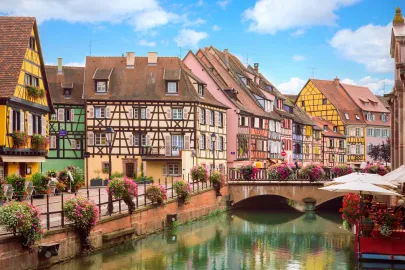
Alsace is a picturesque region tucked into France’s northeastern corner. Bordering Germany and Switzerland, Alsace is also one of France’s smallest regions. Since 2016, it has been part of the much larger administrative area of Grand-Est, together with Champagne-Ardenne and neighbouring Lorraine (birthplace of the iconic quiche Lorraine). Alsace may be small, but it has a mighty – and richly deserved – reputation for excellent food and drink. Its scenic countryside is dotted with plum orchards, family-run farms and vineyards. The Vosges mountains on Alsace’s eastern border with Lorraine provide shelter from westerly winds, giving excellent conditions for the farmers, vintners and cheesemakers of Alsace’s rolling hills and lush valleys. Meanwhile, the region’s capital Strasbourg, is a gourmet wonderland where you can indulge in both traditional Alsatian fare and cutting-edge gastronomy.
© g215
Alsace’s food and drink specialities
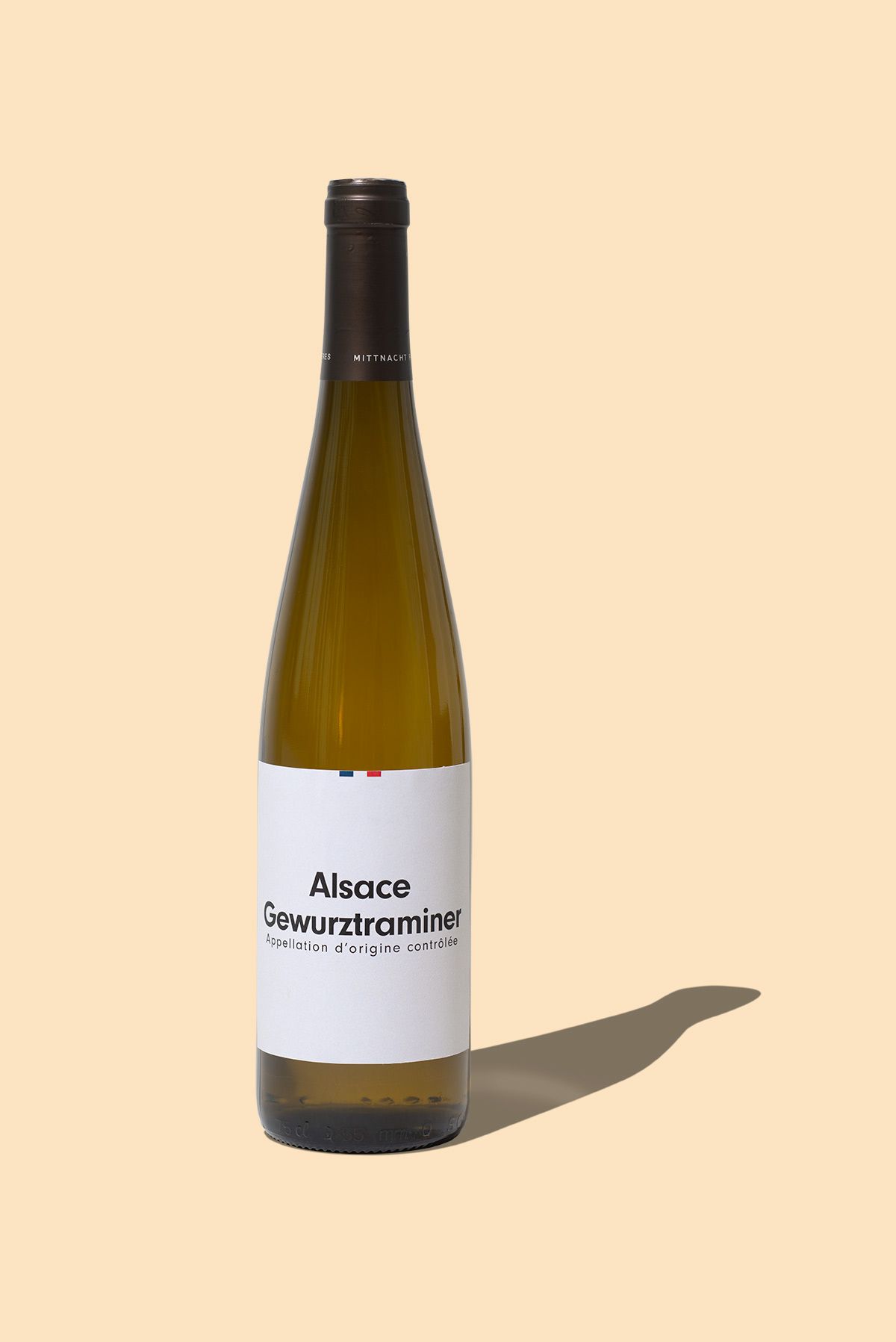
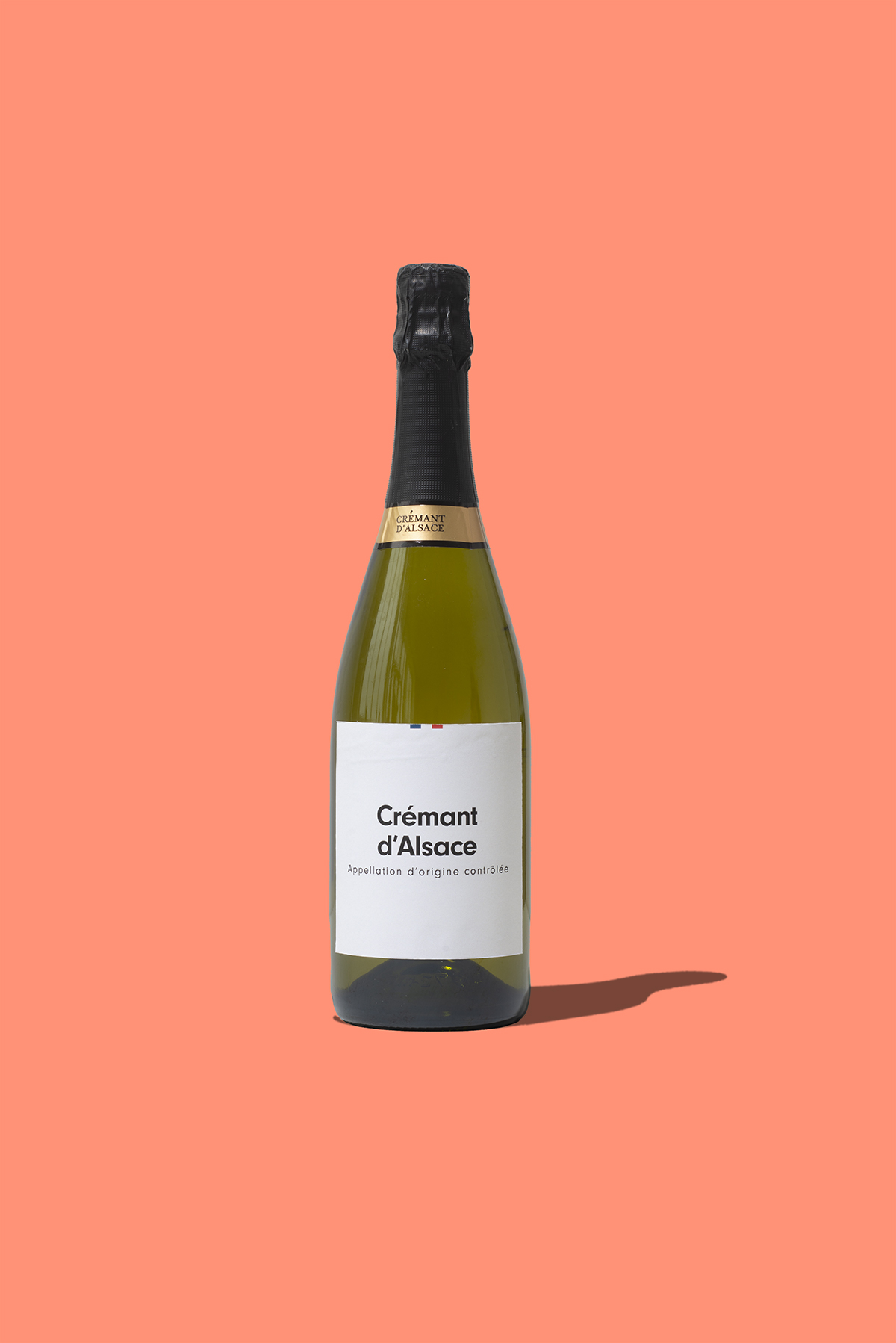
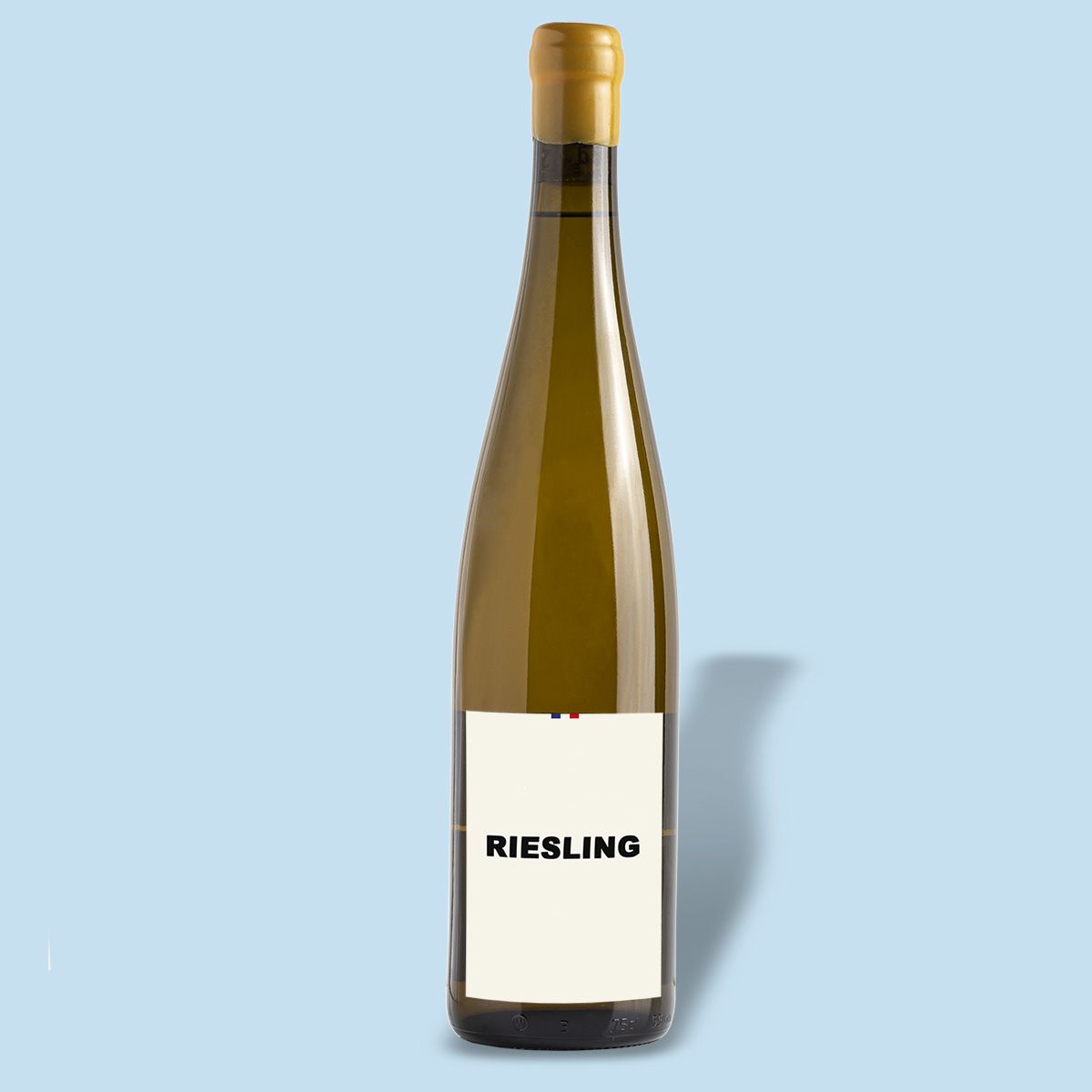
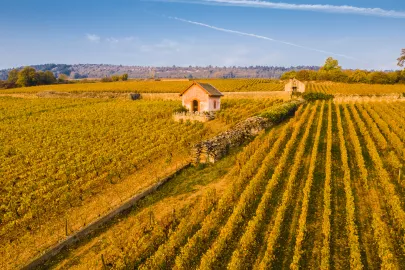
Alsace produces excellent wine. White wines are a particular speciality, including Muscat, Pinot Gris and Alsace Riesling, loved for its crisp finish and lime and apple aromas. Alsace Gewurtztraminer PDO is renowned for its complex aroma, with notes of rose, citrus and spice. The location of Alsace’s wine region – on the sunny foothills and lower slopes of the Vosges mountains – makes for excellent wine-growing conditions. Within this area, the terroir is as important as the grape varietals. 51 Alsatian wines have coveted ‘Grand Cru’ status, each with their own microclimates, optimal altitude and distinct soil profile from the area’s ancient seams of limestone, sandstone, granite, clay and volcanic sediments.
© pkazmierczak
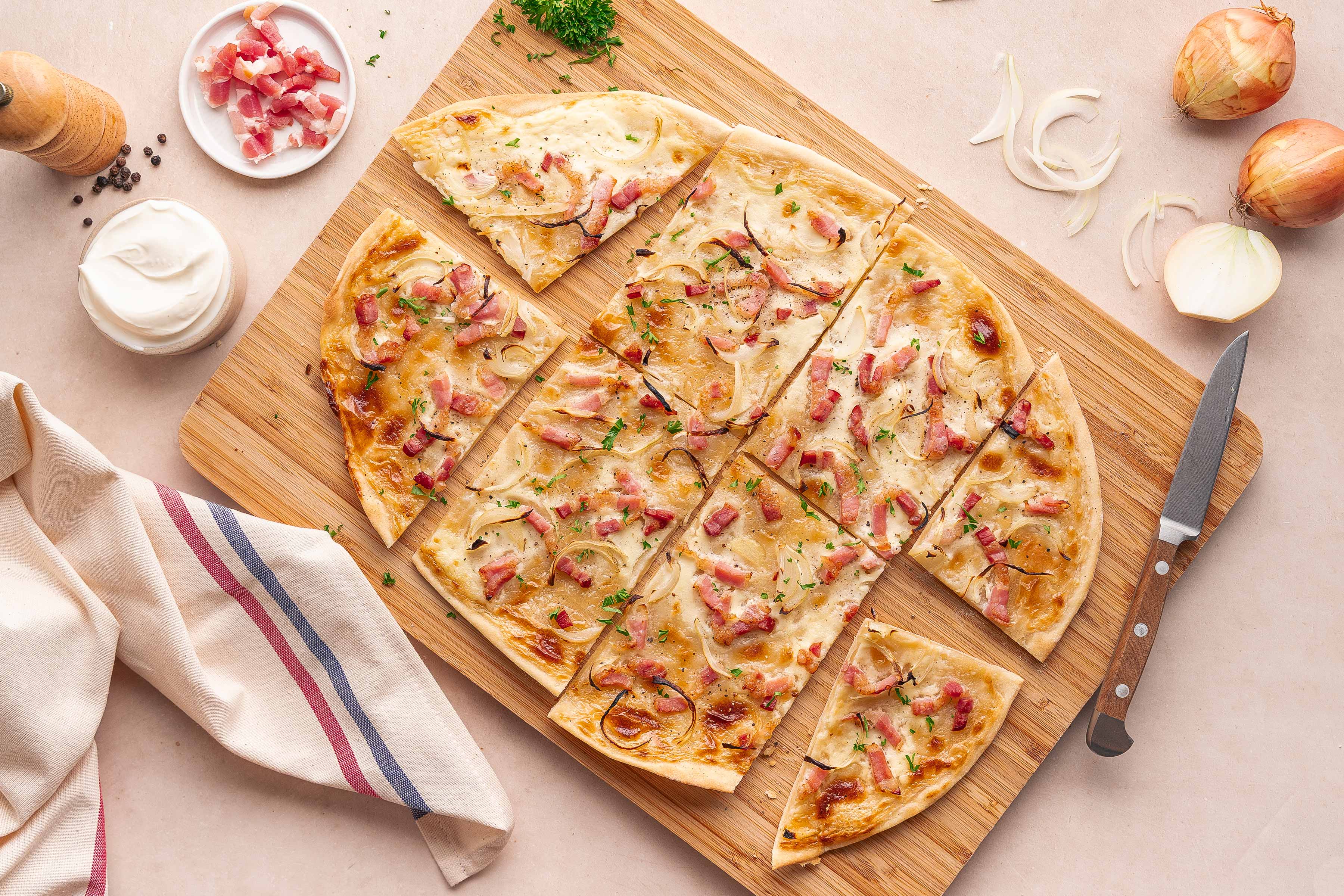
Alsace’s lush pastures also provide excellent conditions for farmers and small-scale producers. The countryside is dotted with apple and plum orchards. Seek out Quetsche d’Alsace, small damson-like blue plums, or sweet and juicy Mirabelles. Locally grown produce like cabbage, onions and potatoes are a mainstay of Alsatian cooking, which is best described as French with a Germanic twist. Classic dishes include Choucroute garnie, cabbage pickled with white wine and juniper berries and served with sausage, smoked pork and salted meats. Alsatian tarte flambée (also known as Flammekueche) is a thin flatbread topped with crème fraiche, onions and lardons, typically cooked in a wood-fired oven.
Munster is the best-known cheese and has an PDO (Protected Designation of Origin). The pungent soft cheese with a distinctive orange washed-rind is produced by cheesemakers using cows’ milk from the Vosges mountains and aged for up to three months.
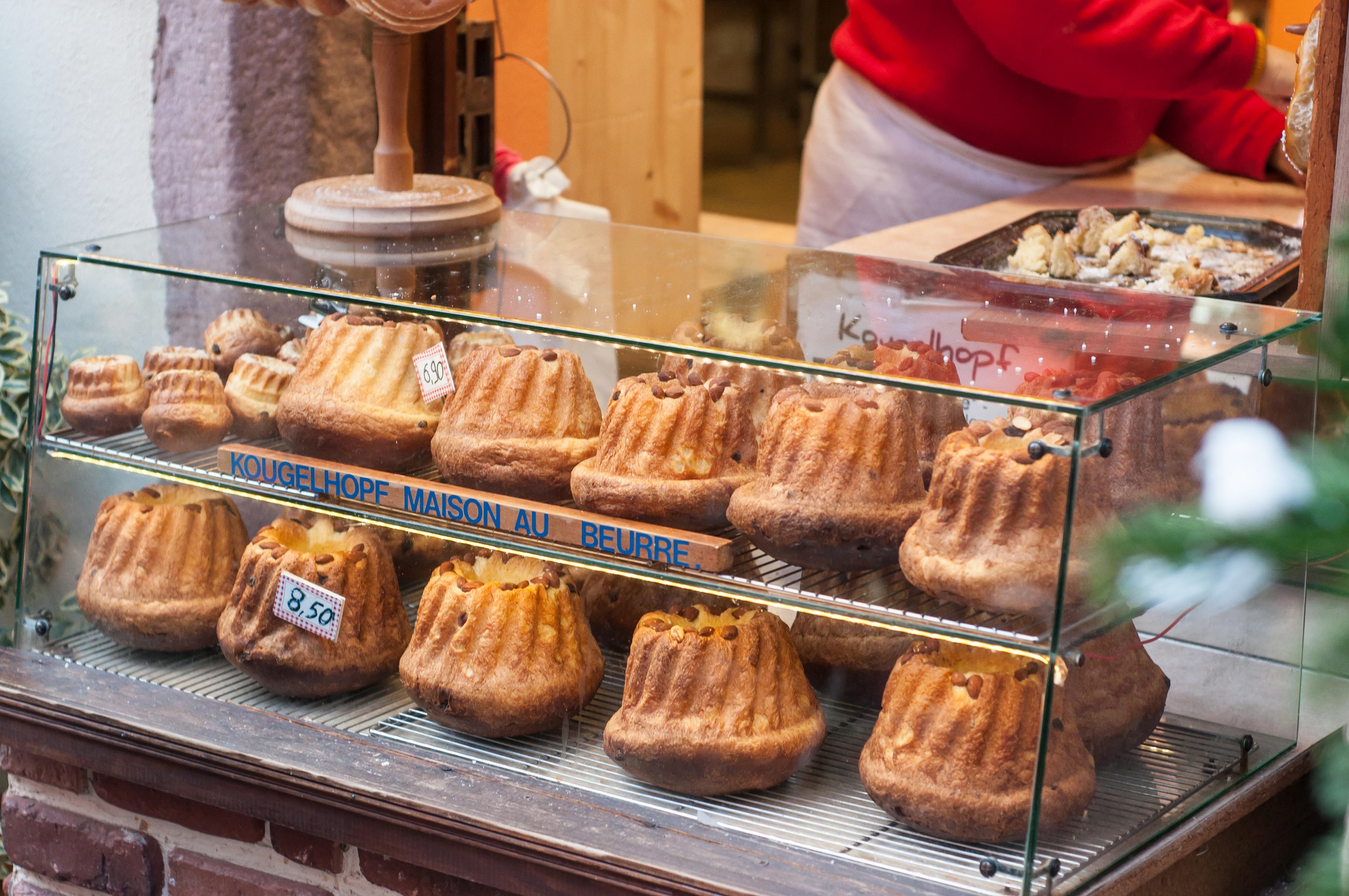
Alsace’s fertile valleys and plains have a rich farming heritage. The region’s farmers grow a wide variety of produce and cereals including excellent-quality wheat, a key ingredient in Alsatian pasta noodles (Pâtes d’Alsace) and traditional pastries and bakes, such as fresh pretzels and Kougelhopf, a yeasted spiced fruit cake baked in a ring mould, similar to a bundt.
© Neydtstock
Unmissable Alsace activities for food lovers
There are many delicious ways to experience Alsace’s unique food culture on a trip to the region. Here are some of our favourites…
- Follow the Alsace wine route (Route des Vins) through the foothills of the Vosges mountains, passing through chocolate-box villages and stopping for tastings and vineyard tours along the way
- Enjoy a traditional meal at a farm-inn in the Vosges mountains or a winstub (rustic bistro)
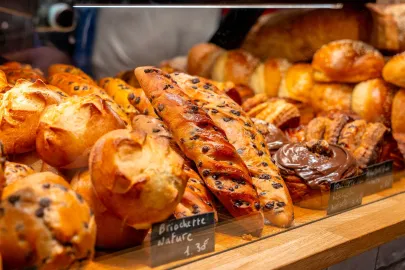
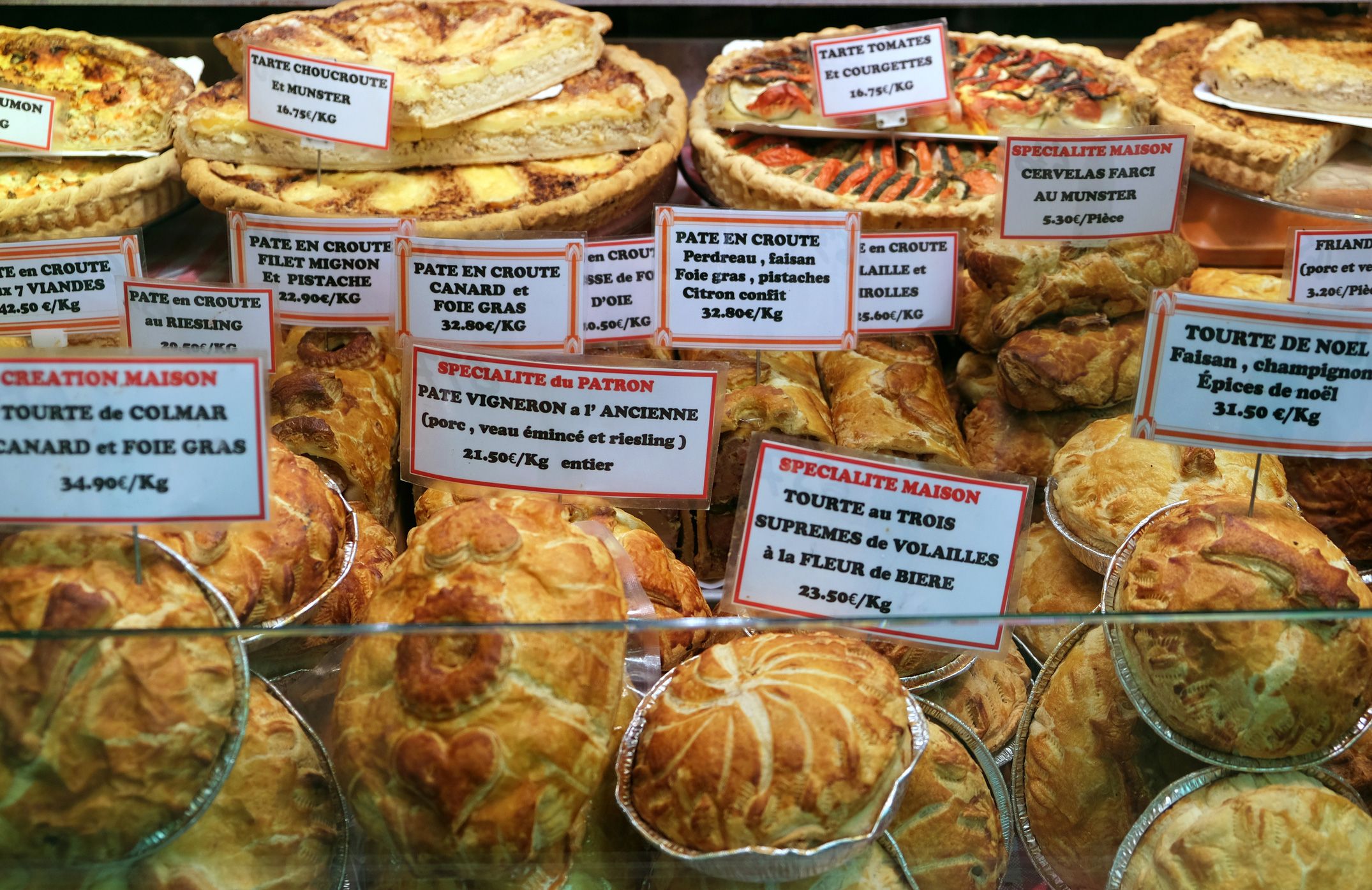
- Indulge your sweet tooth by sampling some of Alsace’s best baked goods: Kougelhopf, plum tart, Bredele cookies and chocolate-dipped pretzels
- Visit a craft brewery and try your hand at making your own beer
- Shop for edible souvenirs: local plum brandy, beribboned boxes of chocolates from Strasbourg, Vosges Pine honey PDO, gingerbread and, of course, a bottle or two of wine
© Kutsi Kayaoglu
How to experience Alsace’s food and drink culture at home
Gather friends and family around your table for an Alsatian feast. To recreate the cosy atmosphere of a winstub or farm-inn, lay the table with a checkered blue or red cloth (preferably genuine Kelsch cloth from Alsace). At a winstub, locals sometimes gather around a regular’s table called a stammtisch to drink and chat. Channel that sense of conviviality with a welcome drink of Alsatian wine served in small tumblers. Serve squares of tarte flambée with drinks before moving on to a hearty main course, such as choucroute garni or baeckeoffe, a wine-marinated beef, mutton and pork hotpot with sliced potatoes. For something relatively light, try pumpkin and Pâtes d’Alsace with lardons. If you still have room for dessert, serve a fruit tart and adapt it to the seasons. Try a custardy rhubarb tart in spring (the Alsatians often top it with meringue), strawberries in summer, or plum tart in autumn. The fall months are also a great time to serve meringues with chestnut cream (torche aux marrons). Don’t forget the Munster for your cheese course…paired with a cold glass of Alsace Gewurtztraminer.
Contributor

Katy Salter
Food and travel journalist
On the same subject


Most popular this week