We tend to think of it as ordinary, yet it represents some of the finest produce our region has to offer. In France, the potato benefits from soil and climatic conditions particularly favourable to its cultivation, producing tubers that are as visually appealing as they are flavourful.

The strength of the French potato sector also lies in its ability to supply potatoes all year round, and above all to offer a variety that caters to every taste and need. Whether firm or tender, for steaming, mashing, making chips or roasting: behind this seemingly humble product lies an increasingly specialised range, where each variety has its own specific use.
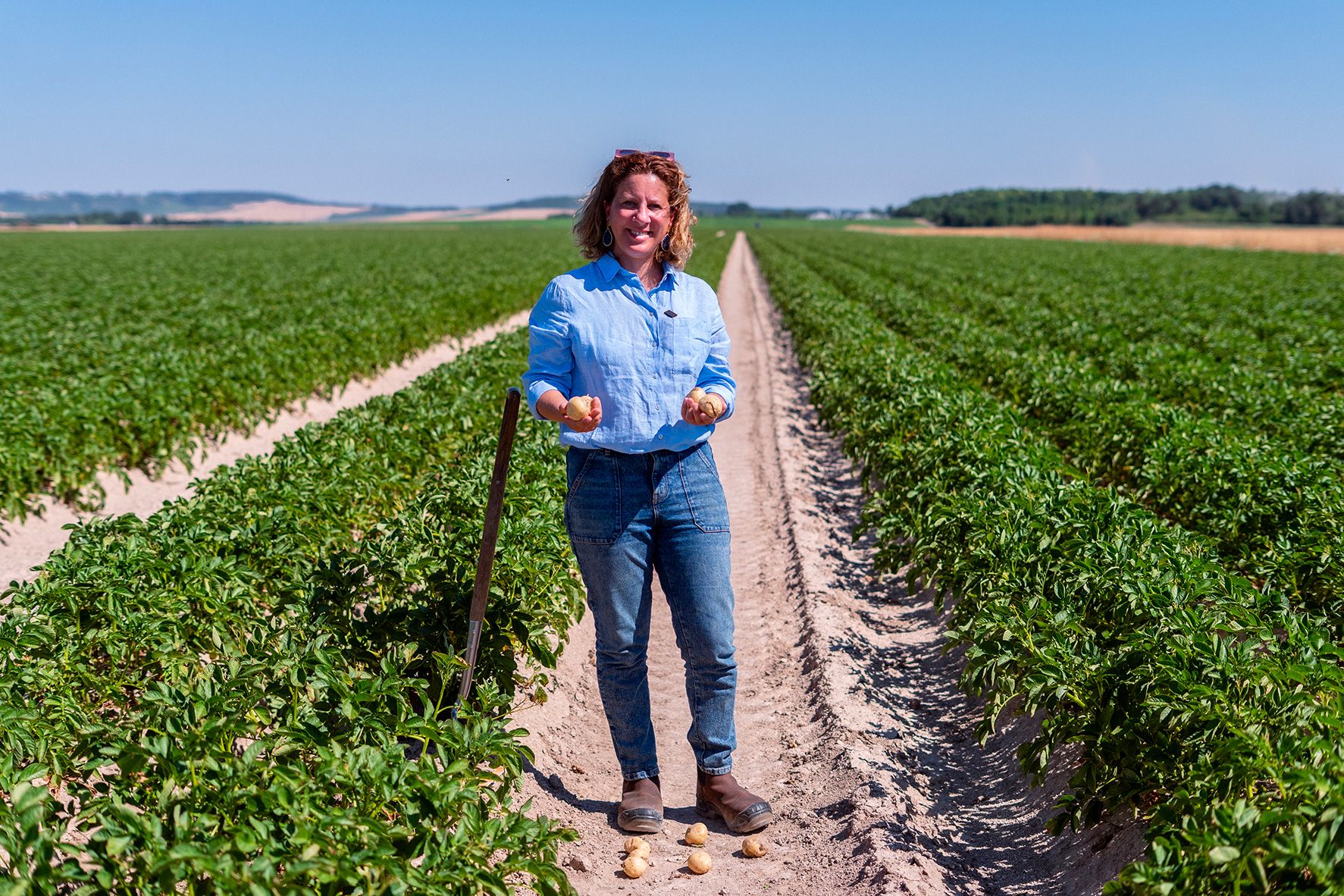
“I felt inspired to return to my roots.” At Sabine Vajou’s farm in the Champagne region, this expression is a perfect metaphor. By taking over the family farm in the Marne department, the grower has revived an age-old agricultural tradition and is now helping to keep alive one of the jewels of French agriculture: the potato.
At the helm of a farm where nearly 80 different varieties are grown, she embodies a new generation of farmers who are combining tradition, innovation and high standards. “The potato became the obvious choice. Because not only is it a fascinating crop, but it’s also a product that plays a major role in the French diet.”
Yet her path was by no means mapped out. Hailing from a family of farmers, she initially set off in a different direction, working in accountancy and then the trading sector. But the desire to build her own business and take control of the entire production chain “from start to finish” eventually led her back to the family farm, which she took over five years ago.
A vegetable that reflects the French terroir
While potatoes are grown across much of France, certain regions are particularly well-suited to their cultivation. Hauts-de-France is by far the largest production region, accounting for nearly two-thirds of national output, ahead of Grand Est, Centre-Val de Loire, Normandy and Île-de-France. Pockets of production also exist further south in the regions around Marmande, the Drôme and Roussillon.
This geographical distribution is by no means accidental. “Every terroir has its own distinct characteristics, and not all varieties perform the same way in each,” explains Sabine Vajou. While the damper northern climate suits moisture-hungry tubers – composed of nearly 80 per cent water – milder coastal areas are ideal for harvesting delicate early and new potatoes.
For growers, choosing a variety is therefore primarily about finding the one best suited to their soil and climate. “While matching the variety to the terroir is essential, taste is what matters most to ensure that we meet consumer expectations.” It is precisely this synergy between terroir and variety that underpins the strength of a French potato sector that continues to go from strength to strength.
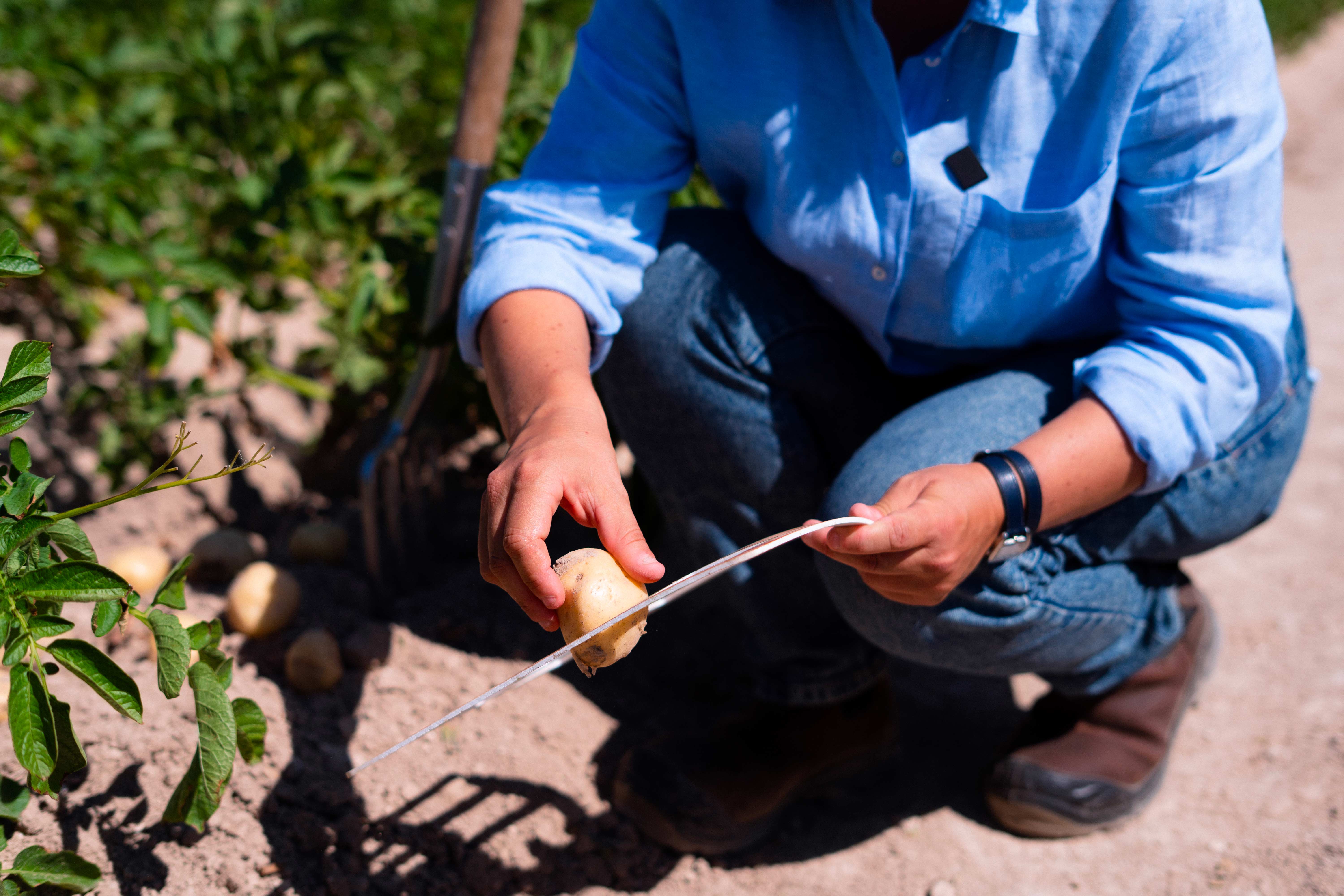
There isn’t just one type of potato – there are hundreds
Come to think of it, referring to ‘potato’ in the singular would almost be a misnomer. “On my farm, we grow almost 80 different varieties,” says Sabine Vajou. Nationally, however, the French official catalogue is richer still, listing nearly 1,500 varieties. There are 200 different varieties available from market stalls and shops all year round.
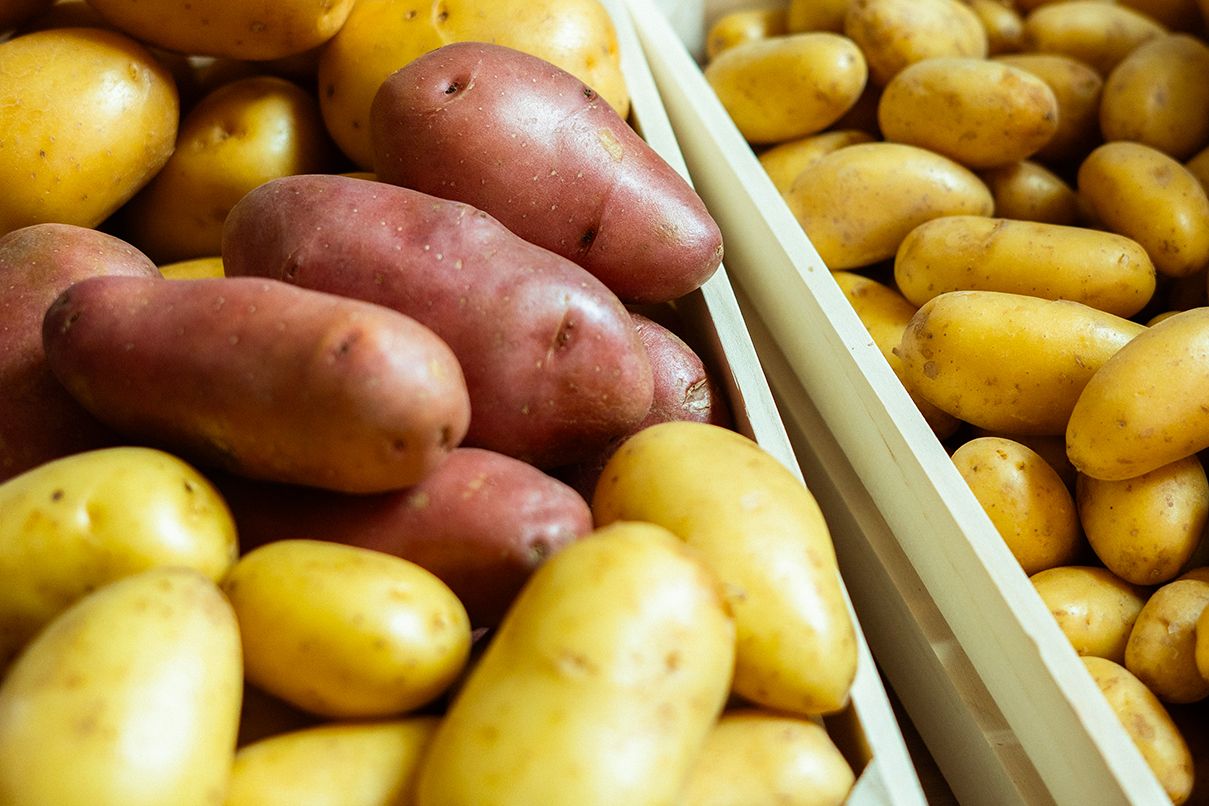
“France offers an exceptional range of varieties,” highlights Sabine Vajou. It is this great diversity that has earned French potatoes their excellent reputation, both at home and abroad. But how do consumers choose from such a wide range? “There isn’t just one ‘all-purpose’ potato. Each variety has its own character, flavour, texture and cooking qualities.” To make life simpler for shoppers, the main potato varieties are grouped and labelled in shops according to their specific culinary uses.
Sabine Vajou explains: “There are waxy potatoes, ideal for steaming, sautéing and gratins; floury baking and mashing potatoes, which have a softer, more yielding texture; and chips-specific varieties, chosen to give chips that are crisp on the outside, fluffy inside, and absorb very little oil. Beyond that, there are also specialities like baby new potatoes – grenailles – and colourful varieties.”
Known as ‘segmentation’, this approach has become an invaluable guide for shoppers and an effective way to showcase the sheer diversity of French potatoes – a strategy the industry intends to champion for decades to come.
A world-renowned industry
Today, French potato production owes its reputation largely to terroirs exceptionally well suited to the crop, exacting expertise dedicated to quality, and a diverse, clearly segmented range. And that fact has not been lost on anyone – least of all beyond France’s borders. It’s no coincidence that France ranks among the world’s leading producers.
While nearly 8 million tonnes of potatoes are produced each year by around 8,500 farms, “almost half of all French potatoes are exported,” points out Sabine Vajou. This makes France the world’s leading potato exporter – notably to Spain, Portugal, Italy and countries across Eastern and Northern Europe, such as Belgium – as well as Europe’s second-largest producer, and the eighth-largest globally.
On Sabine Vajou’s farm, nearly half the crop is also bound for export. “International consumers value our consistency, the quality and variety of our produce, as well as our ability to supply the markets all year round.”
This reputation and global reach also rest on an exceptionally well-organised industry. “We benefit from a very comprehensive technical support service, too,” says the farmer. “It is this combination of agronomic expertise and collective effort that makes the French model so unique.”
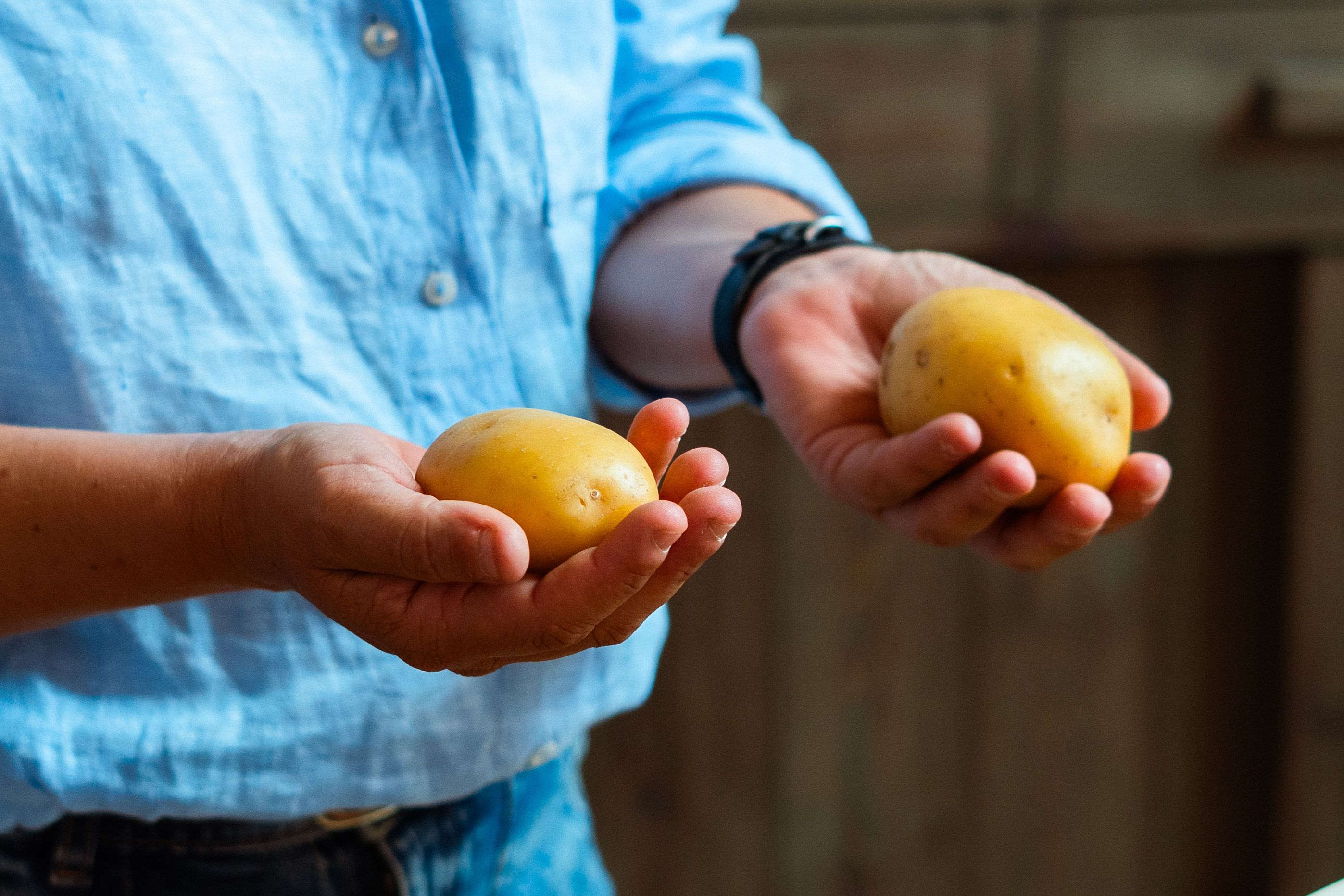
Adapting production methods in the face of climate change
Like all farmers, potato growers now have to cope with a more unpredictable climate. “The single biggest challenge is climate change,” says Sabine Vajou. Potatoes require a temperate climate and a regular supply of water. Faced with unpredictable weather – from severe droughts to excessive rainfall – harvests vary widely from year to year, forcing farmers to remain constantly vigilant.
Instead of conceding defeat, the French industry is doubling down on innovation to future-proof its crop. “Across the entire sector, we are working to develop varieties that yield top-quality potatoes using less water, with greater resilience to erratic weather.” Sabine Vajou is actively taking part in these trials on her own farm. New varieties are planted on a regular basis to assess their performance under local growing conditions. “We’re looking for varieties that are best suited to our terroir without compromising on flavour.”
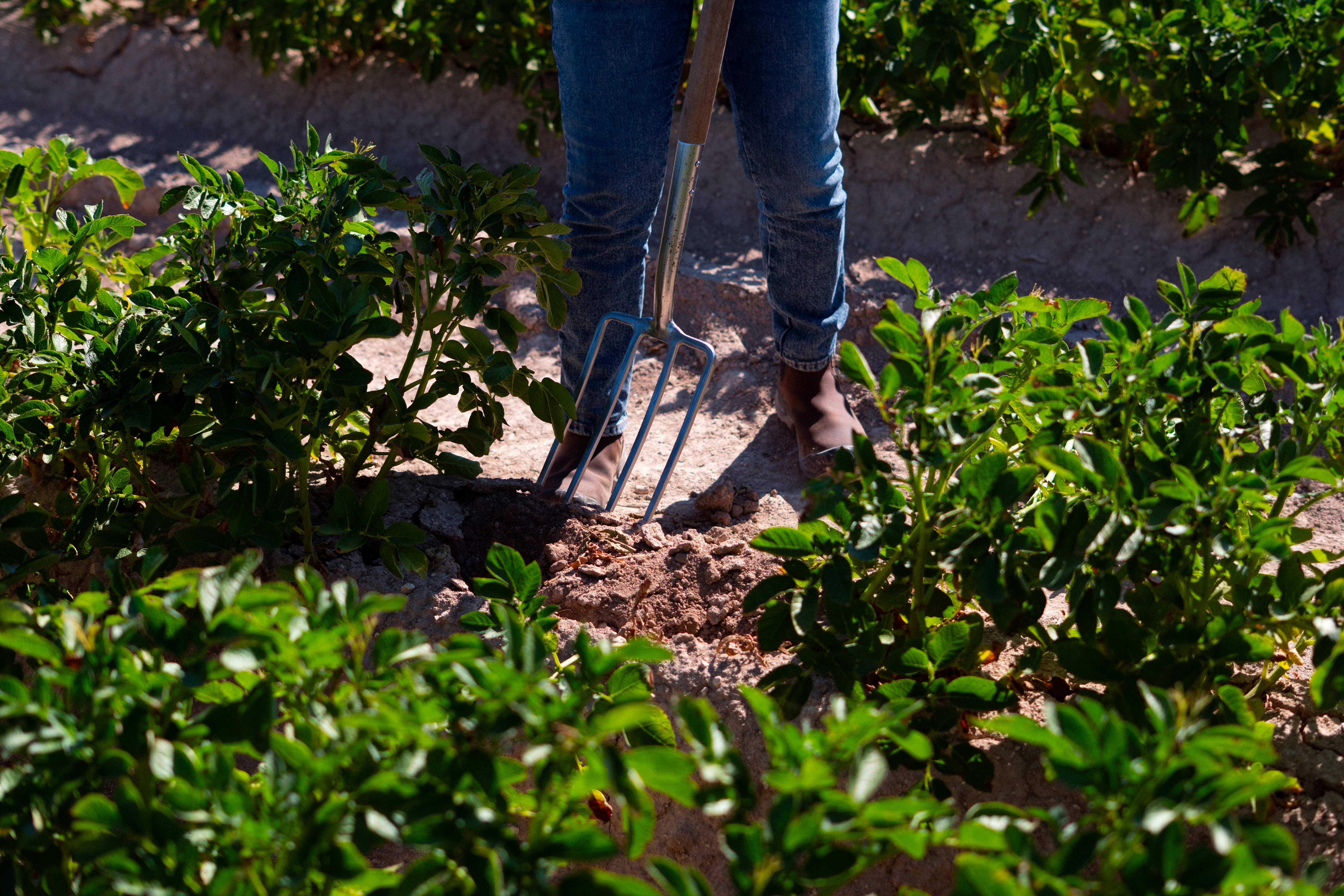
A potato for ‘everyone’
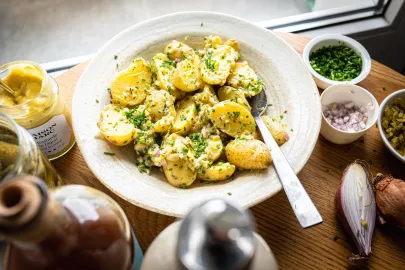
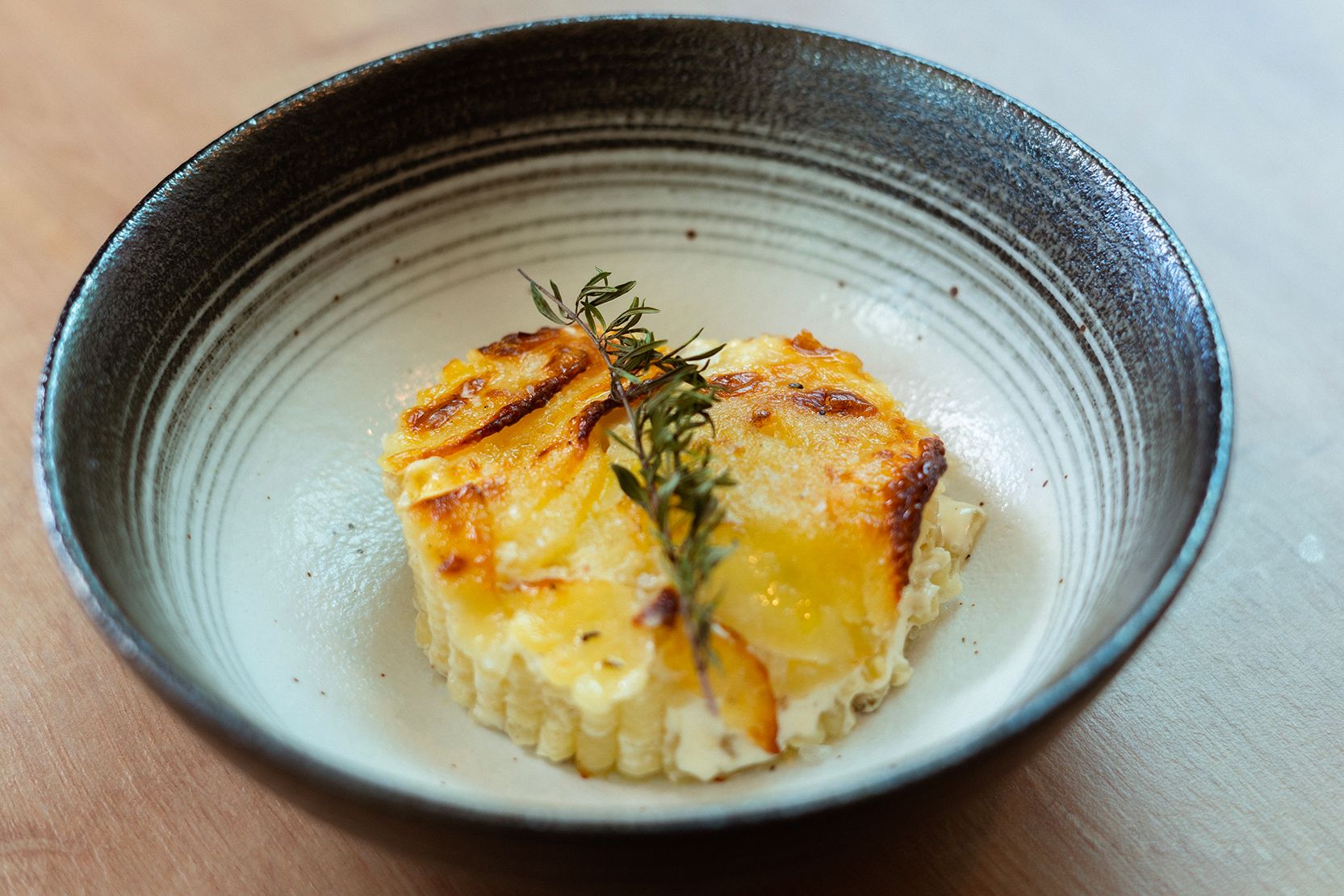
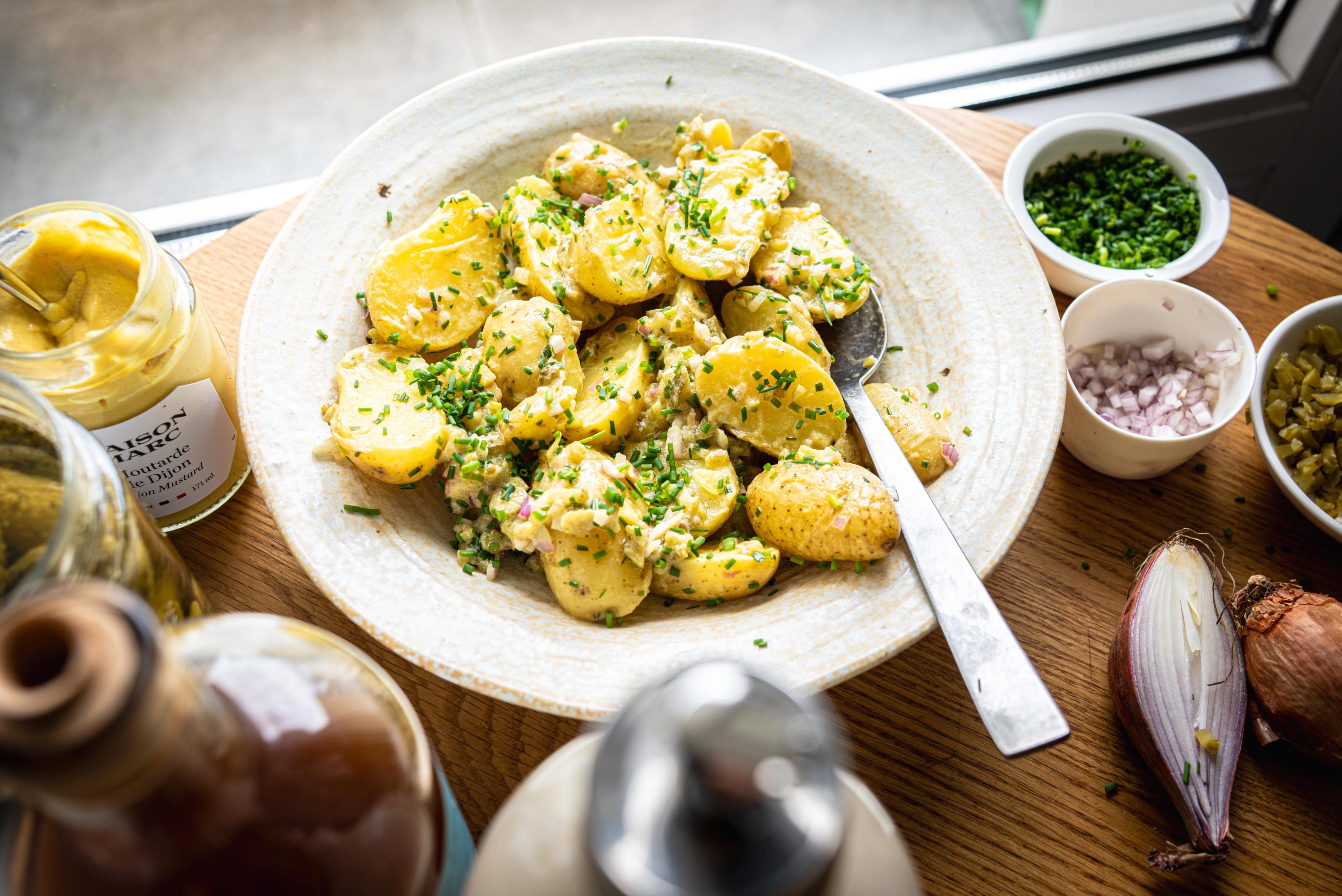
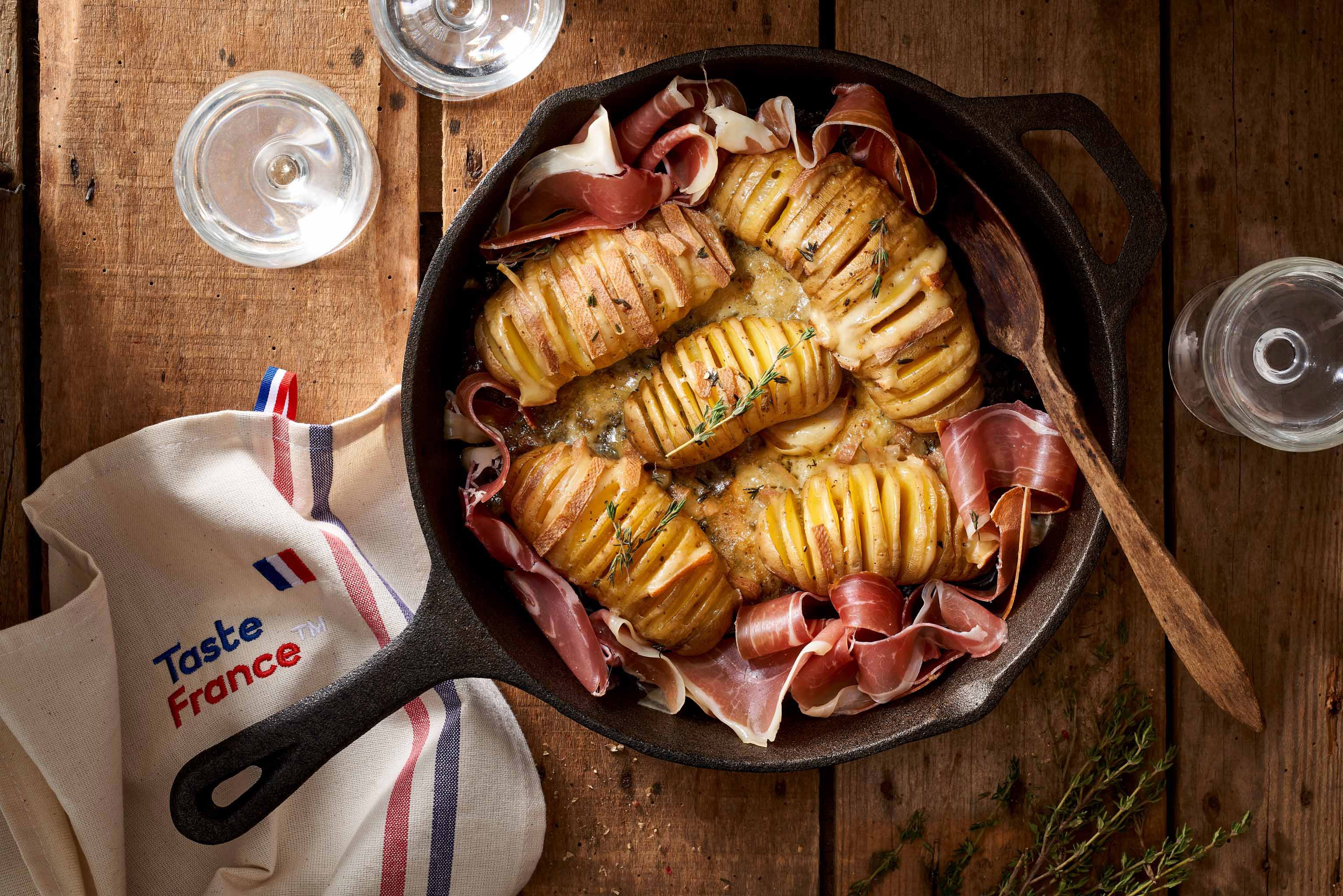
Easy to cook, readily available and loved by all generations, the potato holds a cherished place in France’s culinary heritage. It is no coincidence that it ranks as “France’s favourite vegetable”. “It’s simple, affordable and suitable for lots of recipes,” says Sabine Vajou. From sautéed potatoes to chips, from mashed potatoes to gratin – there are few ingredients that offer so many possibilities.
Not to mention its wealth of nutritional benefits: rich in complex carbohydrates yet low in calories, the potato provides sustained energy, promotes satiety and “fits seamlessly into a balanced diet”. “It’s one of the few starchy foods that contains vitamins and minerals”. These broad nutritional benefits explain why it is just as popular with athletes as it is with everyday families.
The potato – an ambassador for France?
According to Sabine Vajou, it is precisely this richness that sets it apart. “Thanks to the variety of types, textures and cooking methods, you can eat it every day without ever getting bored of it,” says the producer. Yet behind this apparent simplicity lies a crop that speaks of the French countryside, the diversity of its terroirs, and the dedication of thousands of growers. “My greatest source of pride is helping to feed people. The potato is a food for ‘everyone’, filling the role of both an everyday staple and a gourmet ingredient.”
At a time when France exports nearly half its crop, the potato has become far more than a humble vegetable: it is now one of French agriculture’s most dependable ambassadors. Behind every tuber lies a unique terroir, and the skilled people who carry forward a craft respected well beyond the country’s borders. And that, perhaps, is the true secret of the French potato: a universal staple – shaped by an uncompromisingly French pursuit of excellence.
On the same subject
MEET THE MAKERS
French potatoes: no ordinary treasure
In partnership with CNIPT - Potatoes from France
MEET THE MAKERS
Peaches: a source of French pride with a taste of summer
In partnership with Fruit and Veg from France
MEET THE MAKERS
French carrots: pride and passion for the land
In partnership with Fruit and Veg from France
Most popular this week