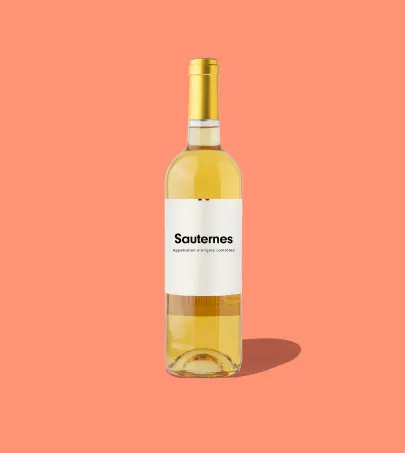


Located south of Bordeaux, Sauternais enjoys a unique climate that is especially well suited to the development of noble rot in its vineyards. This fungal infection creates concentrated levels of sugar and rich, ripe grape aromas, resulting in high-quality sweet white wines— one of which is called Château Yquem.
What you need to know
No other vineyard in Bordeaux boasts so many vintages that have been granted coveted classé status. In fact, since 1855, the estate has produced twenty-seven such wines in total! Its success comes from a terroir that’s as unique as the winemakers’ expertise, both of which were recognized with Protected Destination of Origin status that was granted as early as 1939.
In the fall, the confluence of the crisp waters of the Ciron and the warmer Garonne River create a morning fog, which quickly dissipates under the afternoon sun. These conditions foster the ideal environment for noble rot, a botrytis cinerea infection that affects ripe Sémillon, Sauvignon Blanc, and Muscadelle grapes. The secret to a successful harvest lies in the winemaker's ability to collect the grapes at the height of their maturity and then sort through them several times to select only the bunches most affected by the fungus. These grapes are then slowly pressed. The resulting juice is then naturally decanted, fermented, matured, and stabilized before it is finally bottled.
Characteristics

Smell
In addition to the “toasted” aromas created by the botrytis cinerea, young Sauternes wines feature notes of acacia blossoms as well as fresh citrus and white peach. As the wine ages, dried and candied aromas become dominant.

Look
Over time, the color of Sauternes wines has changed from a light gold-yellow to a more amber or even tea-like colour.

Taste
Sauternes wines are broad, full-bodied, creamy, and powerful. The most expensive vintages even carry a slight toasted flavour.
Editor's note
« “What would you recommend with radishes?”
“You could try a nice Muscadet, sir.”
“Is it dry or sweet?”
“It’s more on the dry side.”
“I'd like a sweeter wine.”
“How about a Sauternes?”
“Is that sweet?”
“Oh, very sweet!”
Dialog between Louis de Funès and Paul Préboist in Le Grand Restaurant (1966) »
How to use
Storage
Sauternes wines can be stored for long periods of time. In fact, you should plan on keeping your bottles for at least 20 years!
Opportunities
The incredible complexity of these wines means you can enjoy them in a wide variety of situations. Pair them with appetizers at your next party, poultry dishes set off by an exotic twist, cheeses, desserts, or even add them to cocktails!
Pair with
A Sauternes wine is a wonderful complement to foie gras, duck breast, or an apple or rhubarb pie. If you’re enjoying a glass, why not combine your Sauternes wine with orange zest and a few ice cubes?