Market Fresh: France’s Seasonal Produce for Spring & Early Summer
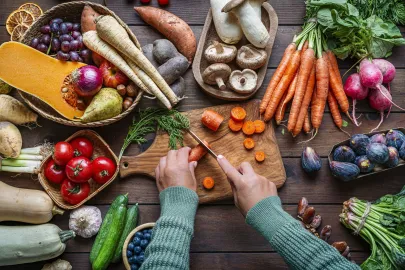
For me there is nothing more beautiful than wandering through a French market with an empty basket in hand. It’s even better in spring and early summer when the stalls are so colourful! It has always been one of my favourite Saturday morning rituals in France.

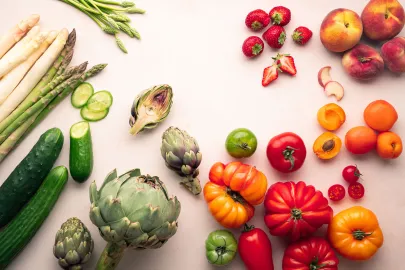
If you love the market atmosphere as much as I do, let me show you my six "must-buy" French fruits and vegetables for the season. I’ll show you how to pick the best ones, how to store and prep them, and what makes them so special.
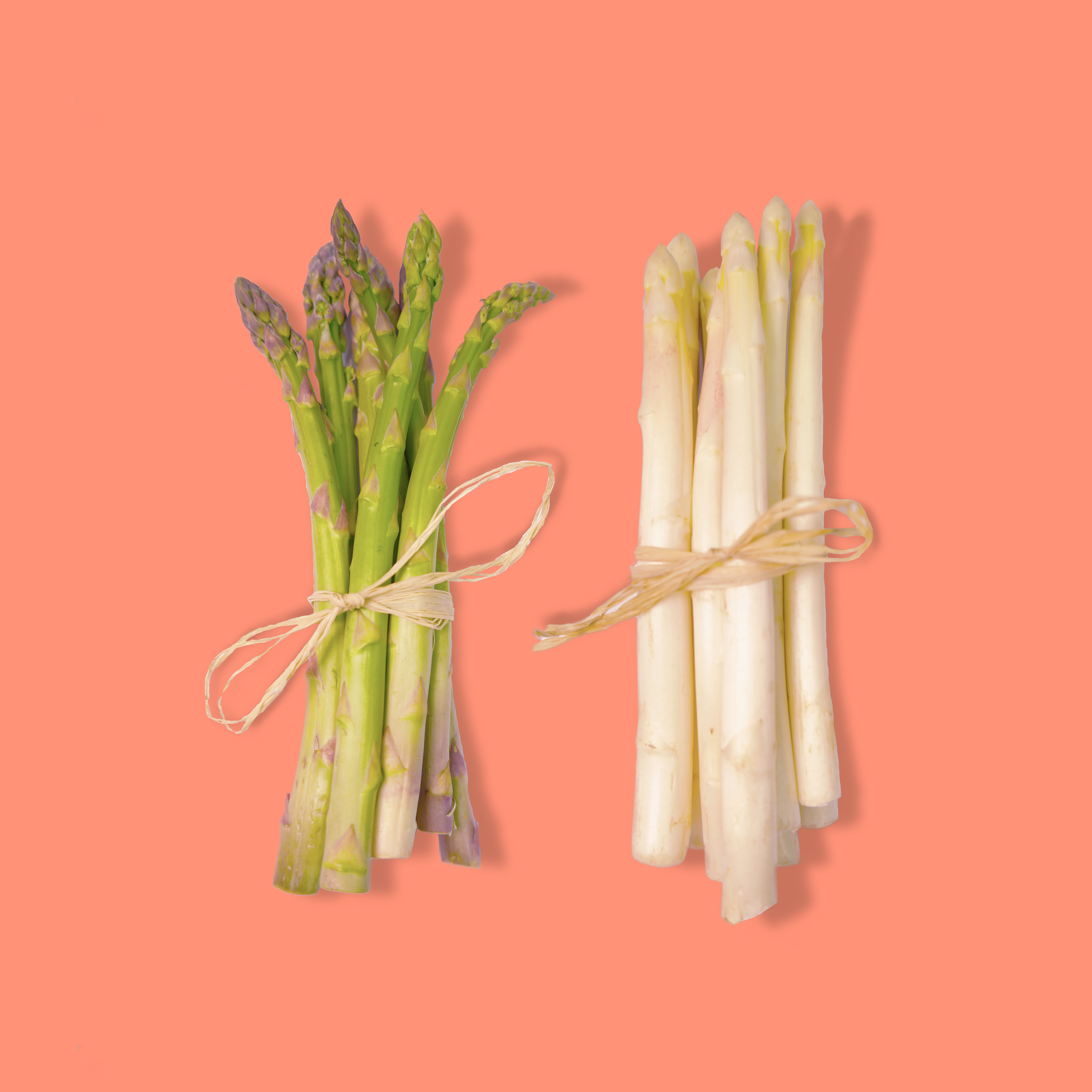
White and Green Asparagus
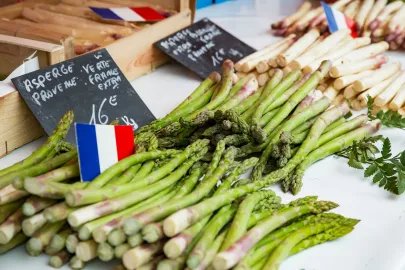
The arrival of white asparagus, specifically from the Landes or the Loire Valley, is one of the first signs that the sunny days are back. You’ll find them from early March through to June, and the same goes for the green asparagus.
💡 Did you know? Asparagus is one of the fastest-growing vegetables out there. In ideal weather, a single stalk can grow up to 15cm in a day!
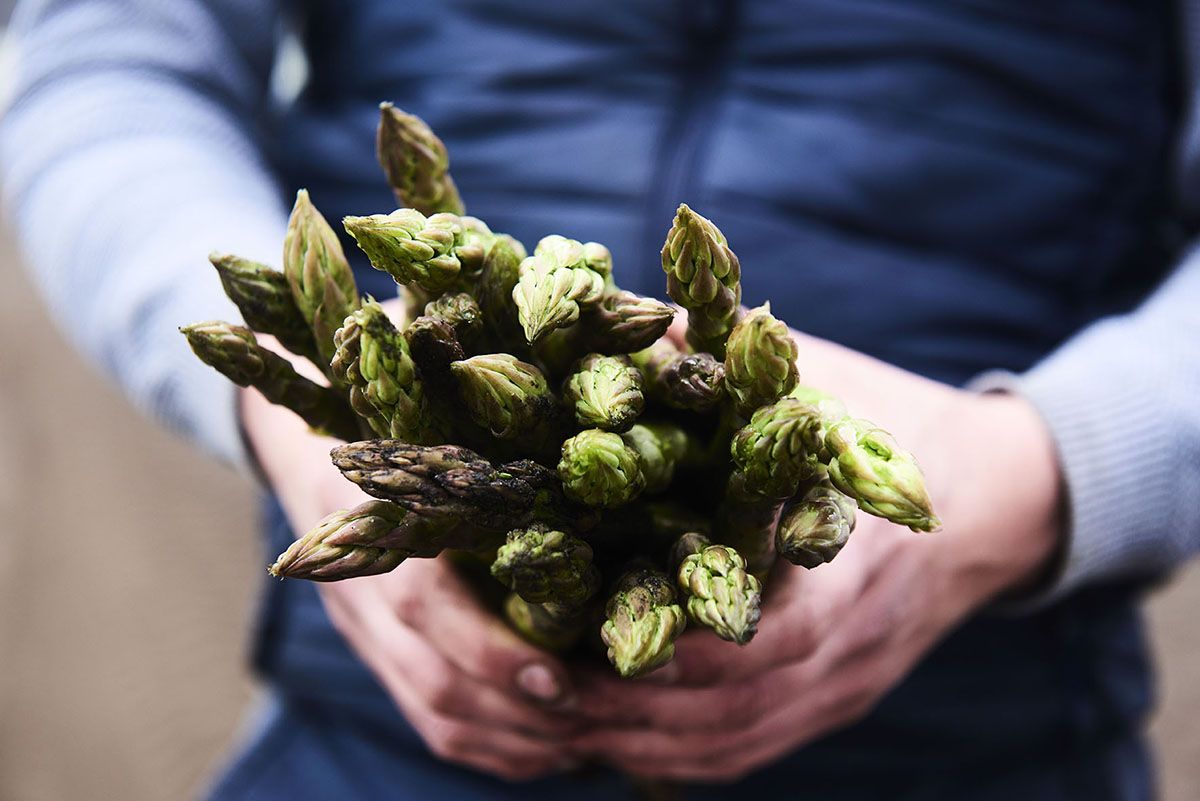
To choose the right asparagus, look for stalks that are firm and straight with tightly closed tips. For white asparagus, the ideal is for them to be pale, perhaps with a touch of purple at the tip, and for green ones, they should be bright green, also with a touch of purple at the tip.
To keep your asparagus snappy, the best is to store them upright in a glass of water or wrapped in a damp cloth in the fridge. White asparagus needs to be peeled and is always eaten cooked (more tips on preparing white asparagus). Green asparagus, however, can be eaten raw if thinly shaved into a salad, or baked into a tart or quiche.

Strawberries
Without a doubt, the most popular fruit of the season: the strawberry! France produces some of the finest varieties in the world, including the Gariguette, Mara des Bois, and Charlotte. In total, there are nearly 35 French varieties.

Most come from the South-West, Lot-et-Garonne, or the Loire Valley. How to choose?
It’s simple: they should be bright red and have an intense, heady fragrance.
💡 Did you know? They are often grown in "hanging gardens." This protects the fruit and saves the pickers' backs!
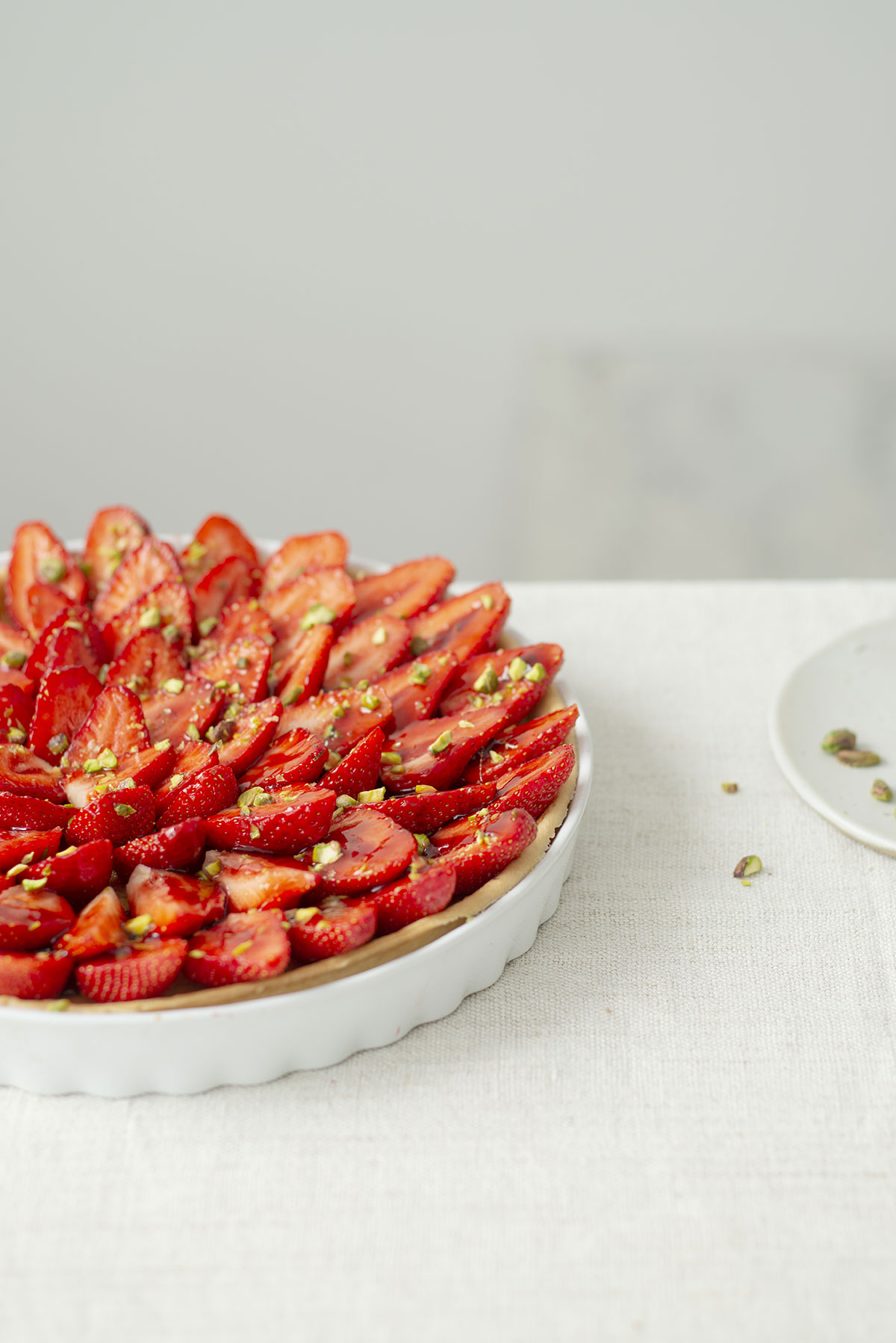
My golden rule: Always wash your strawberries with the green hulls (the calyx) still attached! If you hull them first, water gets inside the fruit, washing away that delicate flavour and making them soggy. When it comes to serving, the options are endless, but you really can’t beat a classic French Strawberry Charlotte.


Tomatoes
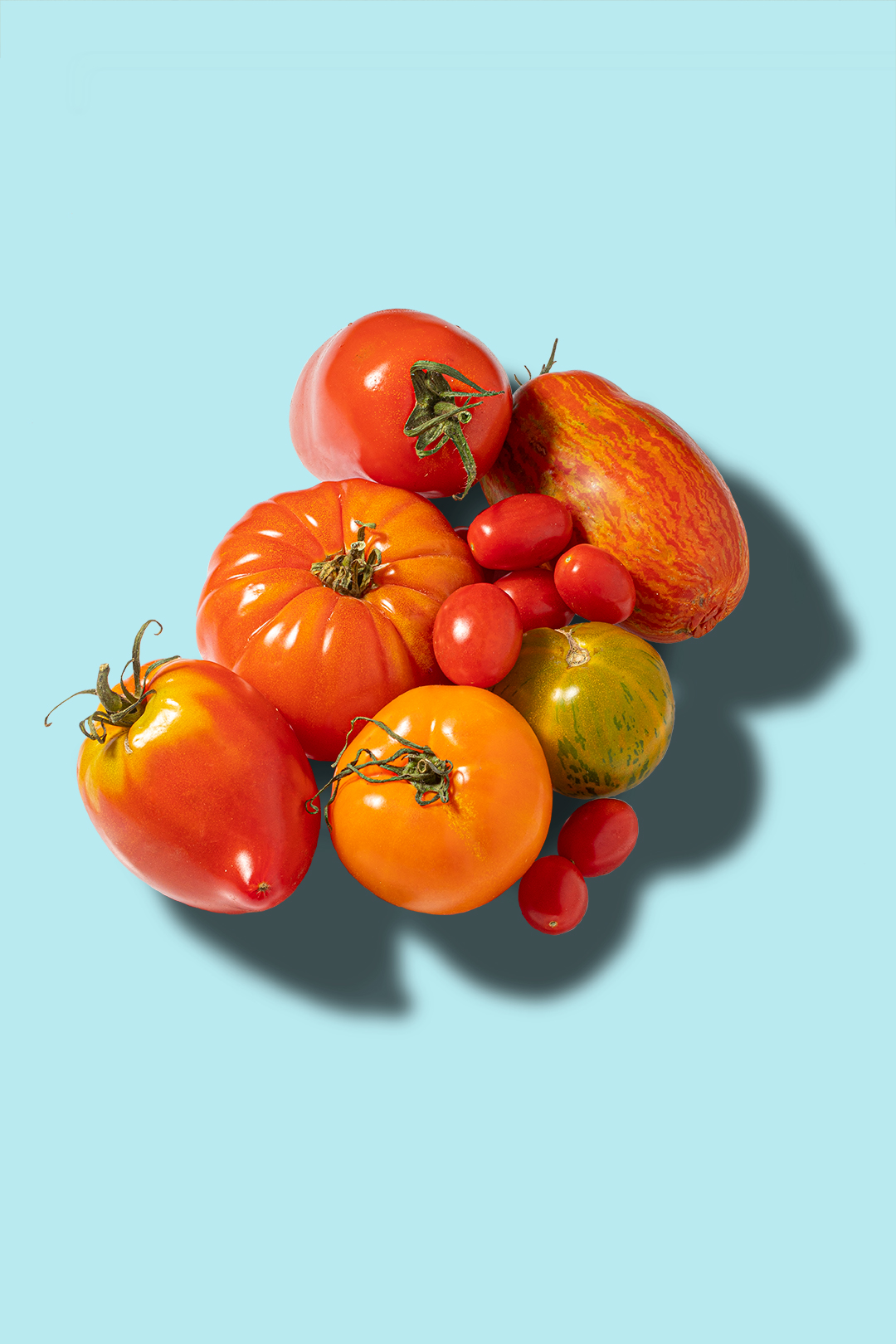
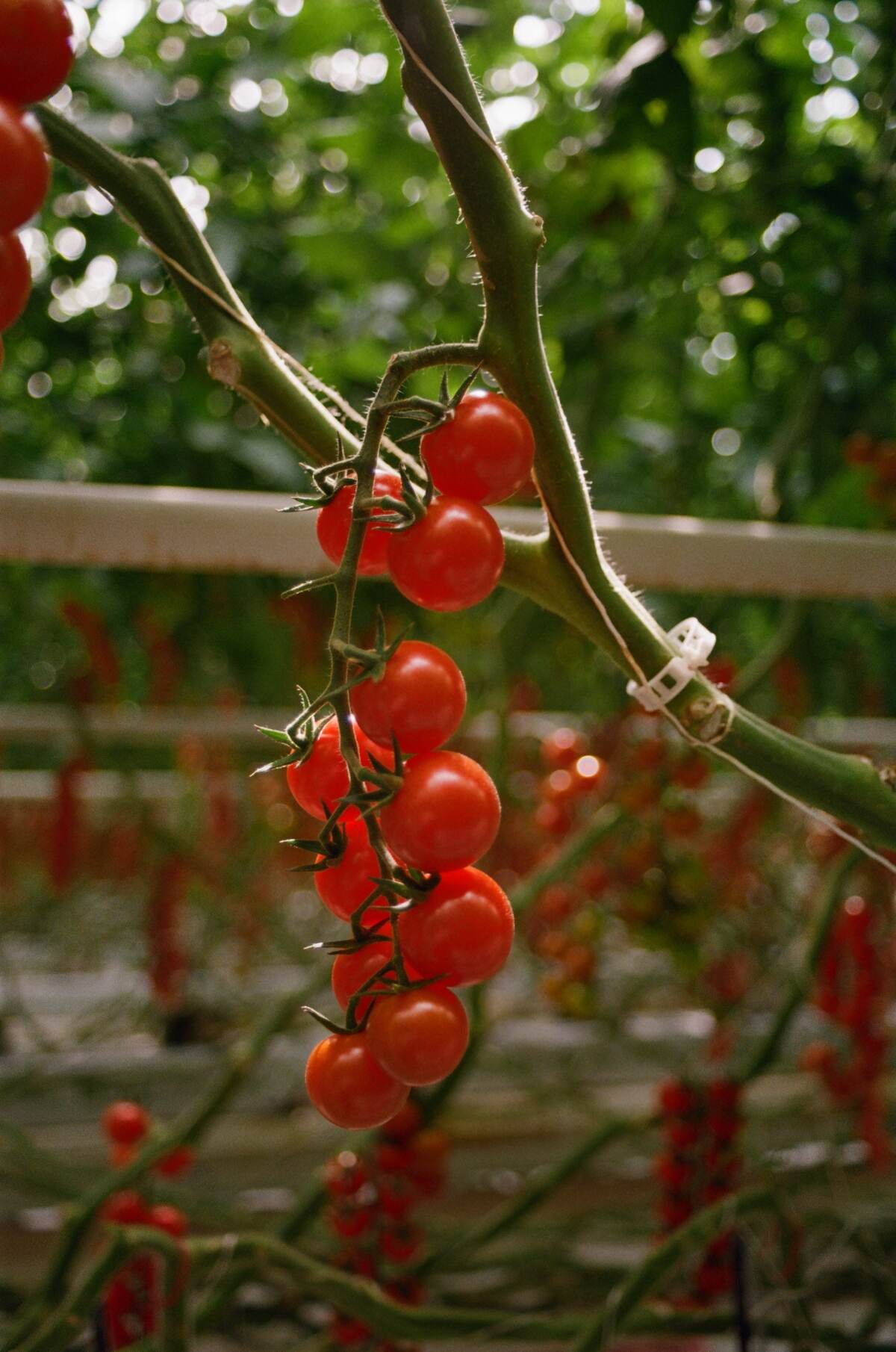
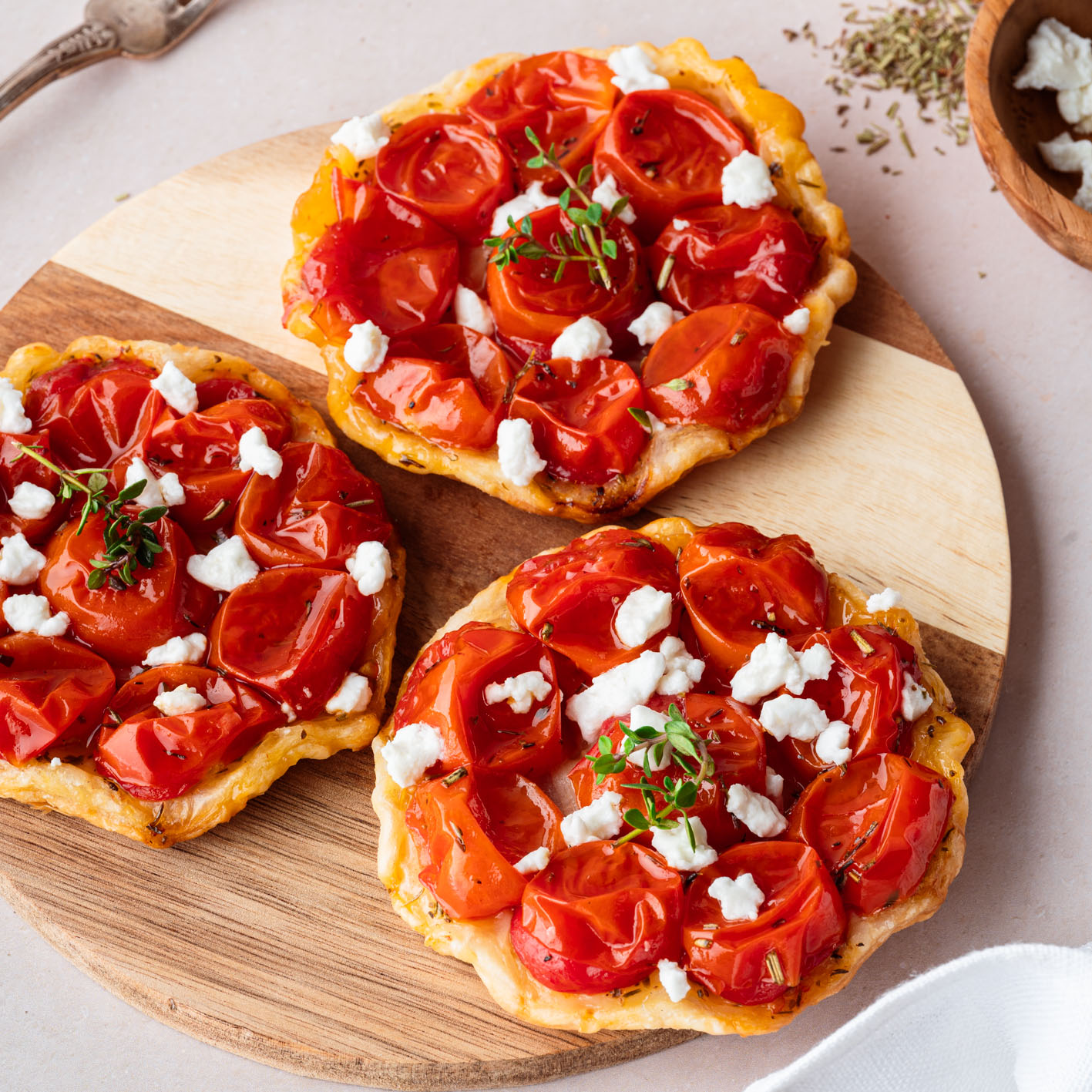
The charm of French tomatoes lies in their diversity from classic reds and "Zebra" stripes to vibrant greens and orange-pinks. Their peak season runs from May to October; this is when they are at their sweetest and juiciest. They are primarily grown in Brittany, the Loire Valley, and the South (Provence-Alpes-Côte d’Azur).
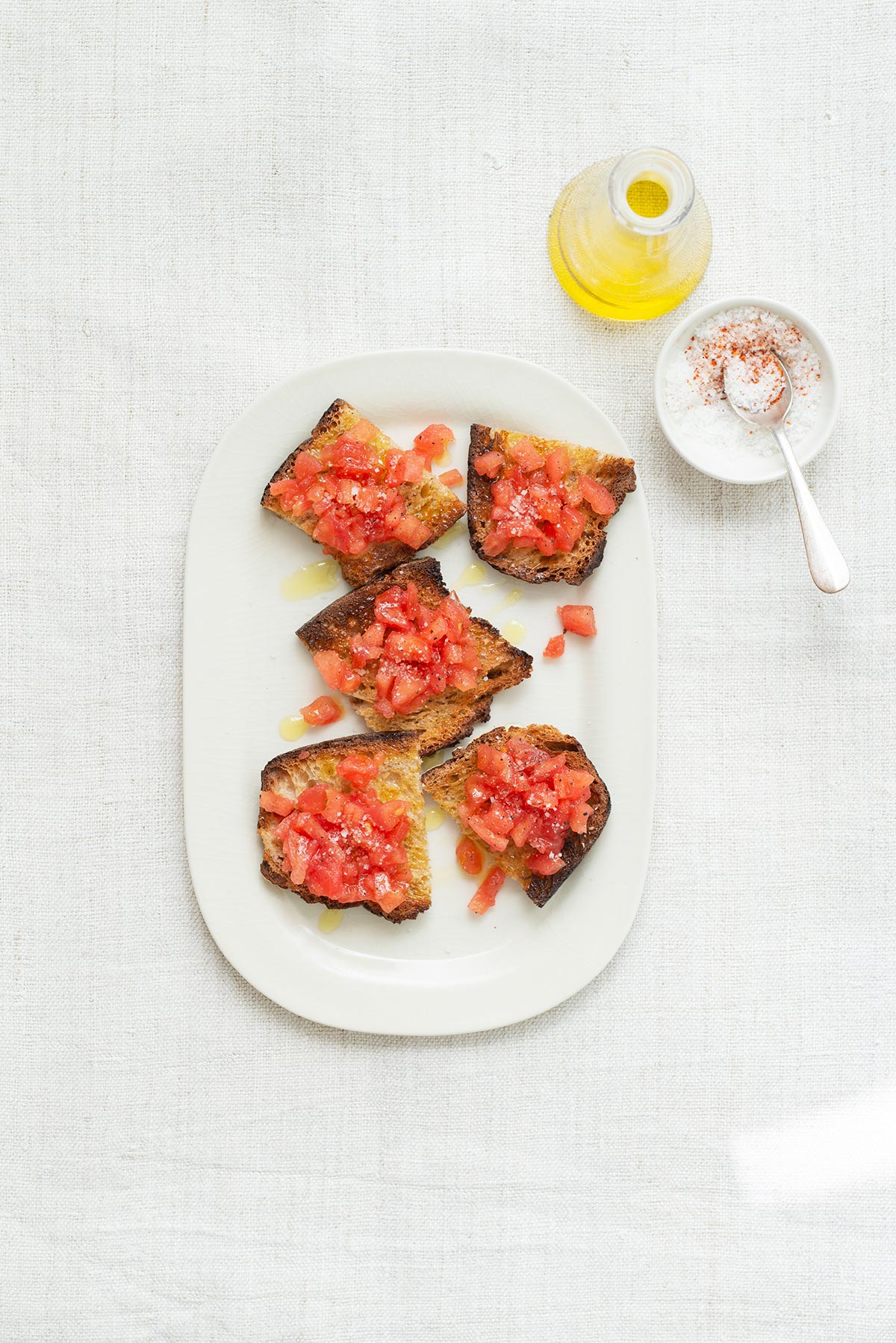
While tomatoes originally come from South America, they’ve been a staple of French cooking since the 16th century, especially in Provence, where they star in dishes like tomates à la provençale and ratatouille.
The golden rule for flavour: Never keep your tomatoes in the fridge! Leaving them at room temperature on your kitchen counter preserves their texture and full aroma.
Cucumbers
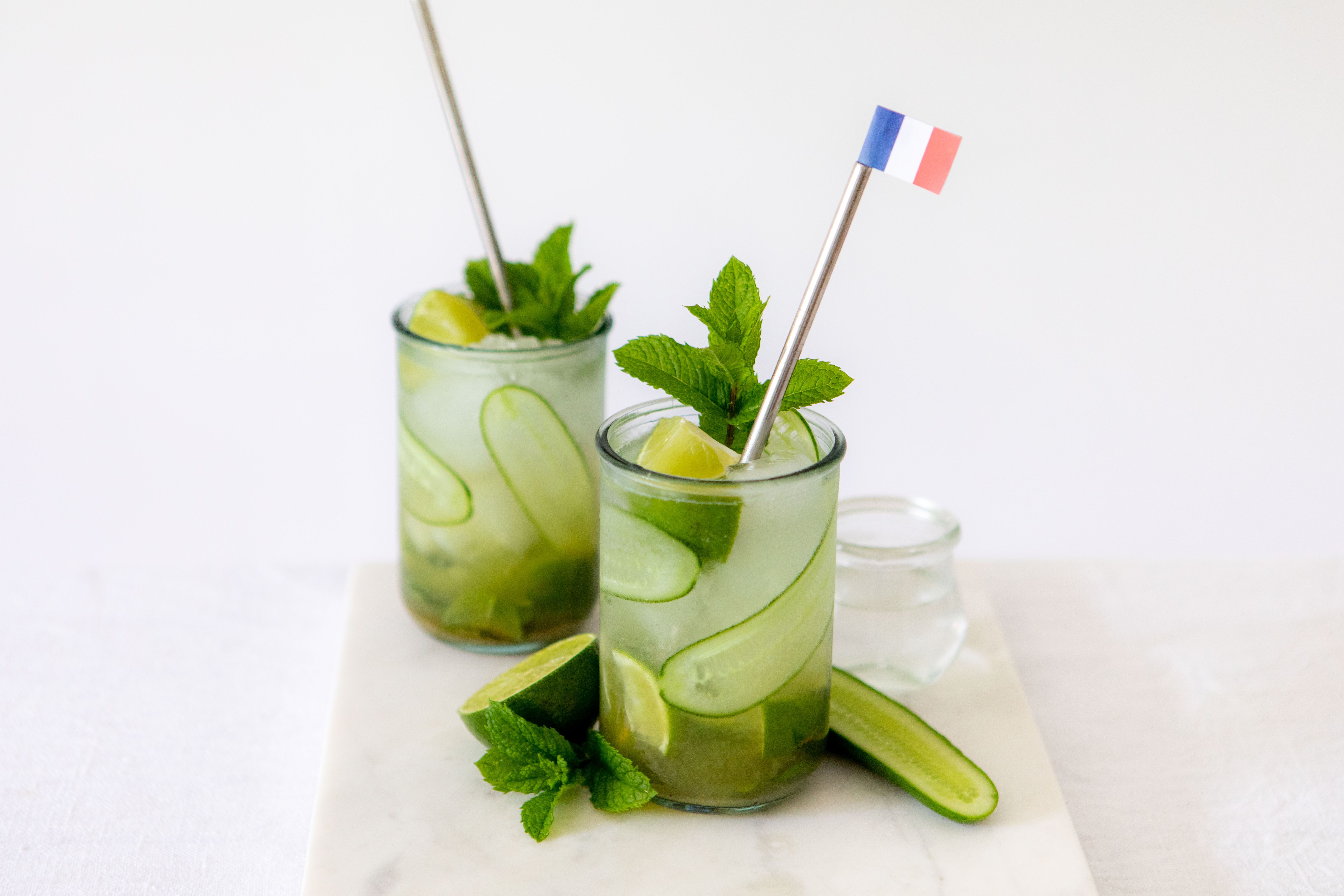
Mainly grown in the Pays de la Loire and around Orléans, French cucumbers are in season from April to August. They are the ultimate way to add a bit of "crunchy" freshness to your summer meals.
💡 Did you know? With a water content of 96%, the cucumber is the most hydrating vegetable in the garden, perfect for staying cool when the temperature rises.
The perfect pick: Look for one that is firm to the touch with smooth, glossy green skin and no soft spots.
Unlike tomatoes, cucumbers belong in the vegetable drawer of your fridge to stay crisp. They are brilliant in salads, served as a simple starter with a lemon and chive vinaigrette, or even whizzed into a chilled soup with yoghurt, lemon, and basil. You can even add them in a cocktail!
Artichokes
The artichoke is one of my other spring and summer "hero" vegetables. We absolutely adore them in France. They are mostly grown in Brittany or the South of France.
💡 Did you know? An artichoke is actually a massive flower bud. If left unharvested, it opens into a beautiful purple flower.
To pick the best one, it’s best to select firm artichokes with leaves that are tightly closed and bright green, possibly with hints of purple. You must keep it in the refrigerator with its stem attached so it stays well hydrated.
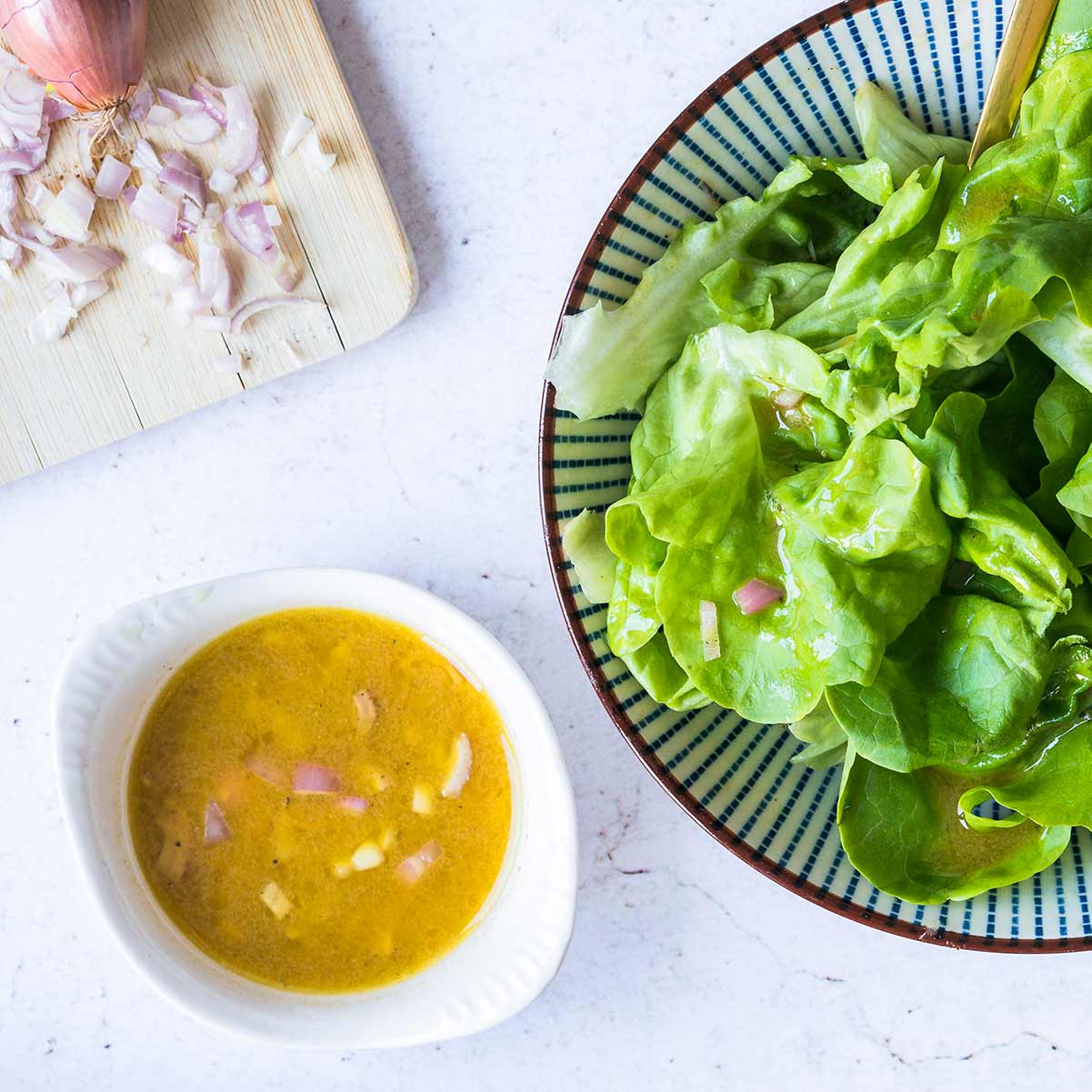
As for preparation, cook it in salted lemon water or steam it for 40 to 45 minutes. When the leaves pull away easily from the heart, it's ready! The best way to enjoy an artichoke remains the classic French version: peeling off the leaves one by one and dipping them in a simple vinaigrette.
Peaches and Apricots
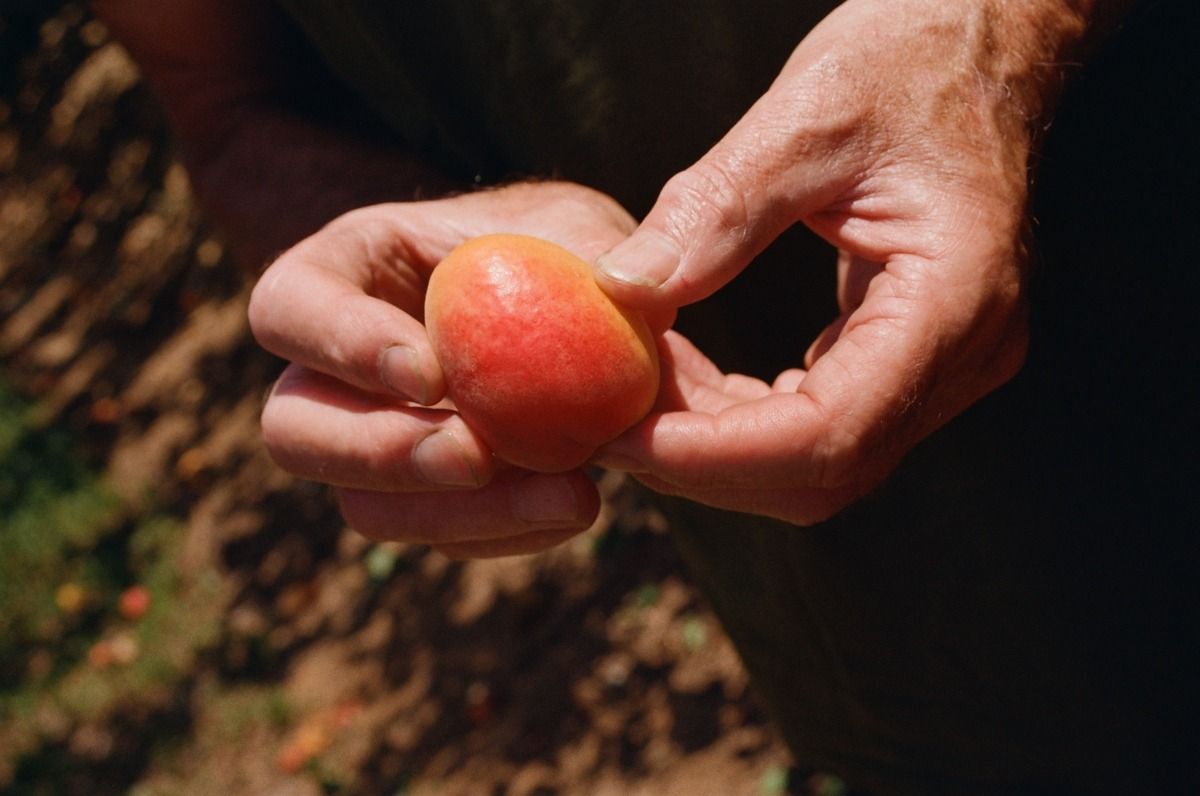
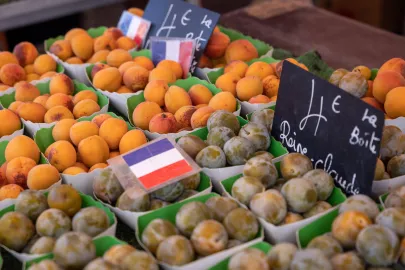
Once peaches and apricots appear on the stalls, summer has officially arrived for me! France is blessed with exceptional "terroir" for these sun-drenched fruits.
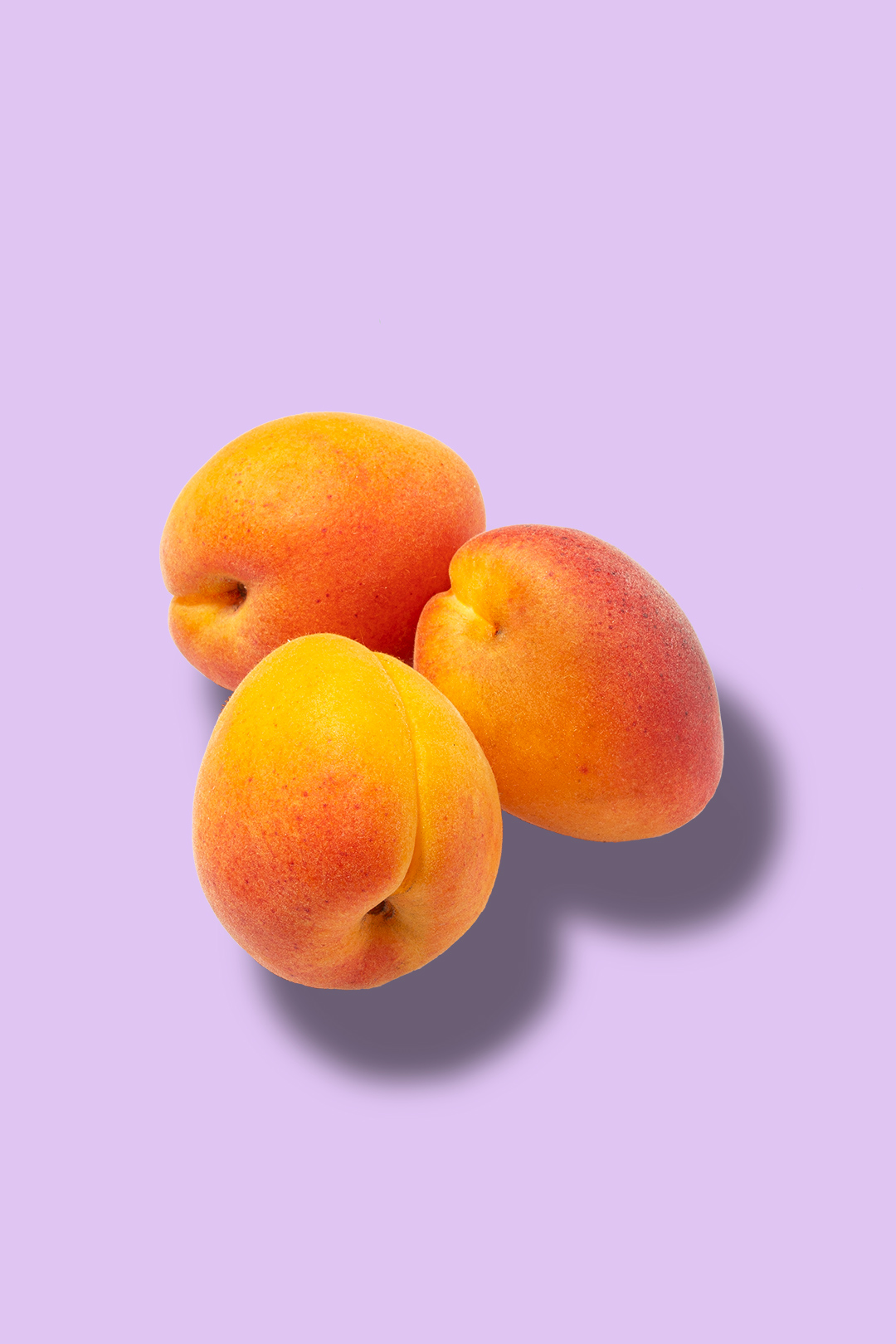
💡 Did you know? Peach trees require a lot of patience, it takes seven years before the first harvest, and the trees often only live for about fifteen years. Apricot trees are a bit hardier (living up to 50 years) but are incredibly temperamental. Because they are among the first to blossom in late winter, one late frost can ruin a whole harvest. Every punnet is a little miracle!
When choosing peaches and apricots, don’t rely on their colour alone. The best is to smell then: their fragrance should be intense, a sign that the fruit will be full of flavor. And for their texture: the fruit should give slightly under gentle pressure.
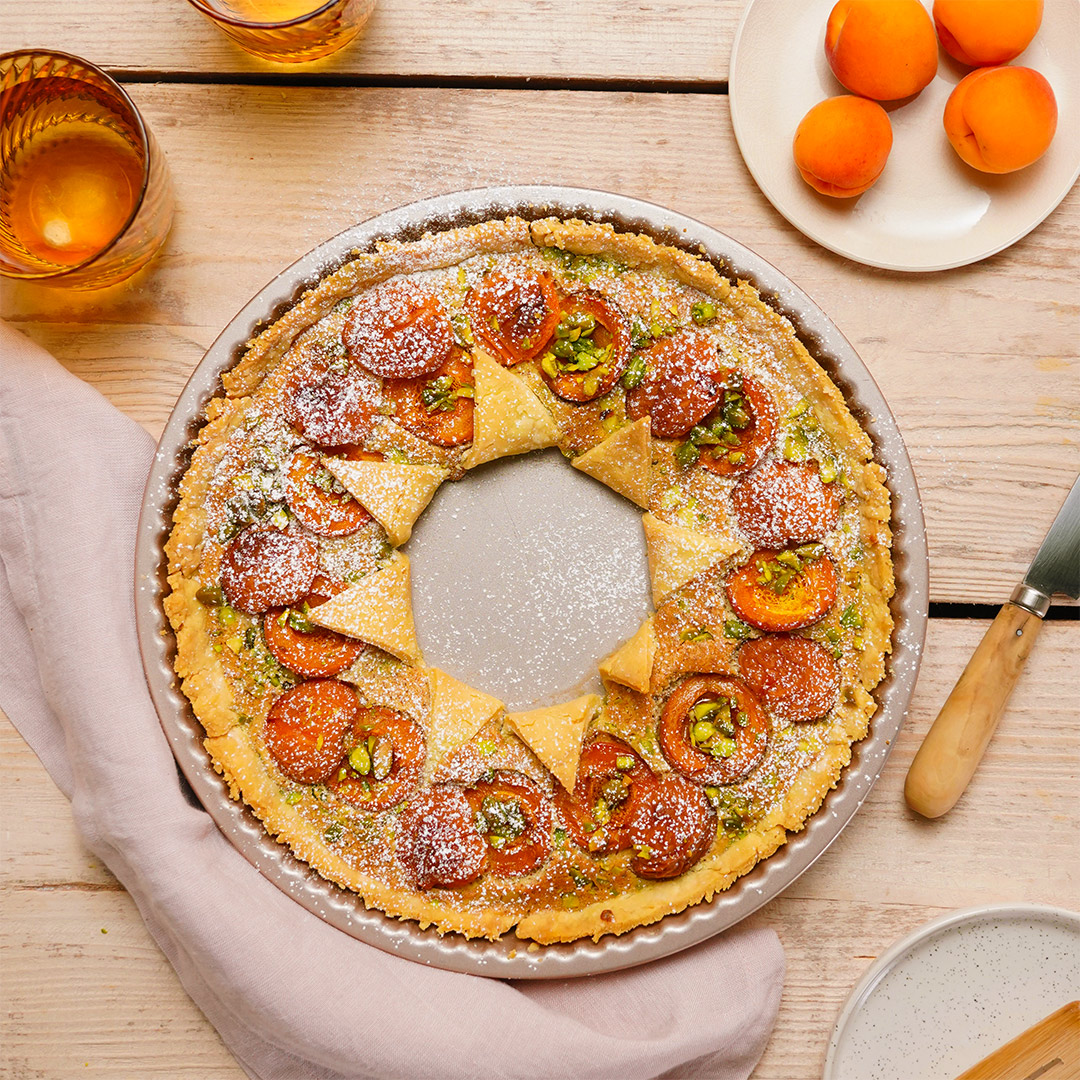
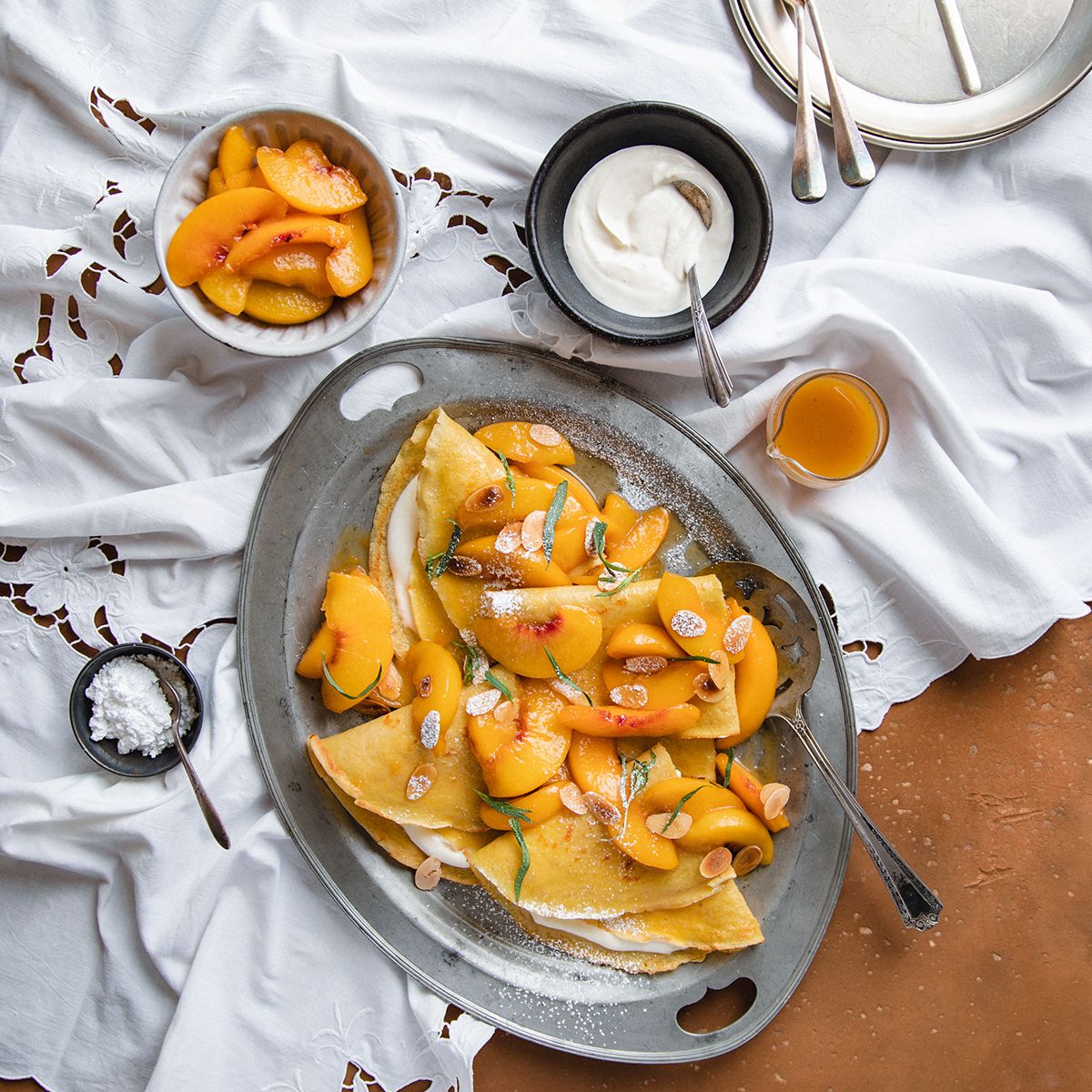
How to use them? Personally, I love them just as much in a tart as I do raw. French apricots and peaches are two fruits that pair wonderfully in savory dishes, as their skin adds a touch of acidity. They are perfect on skewers for barbecues or roasted with pork or chicken.
Become a Seasonal Pro
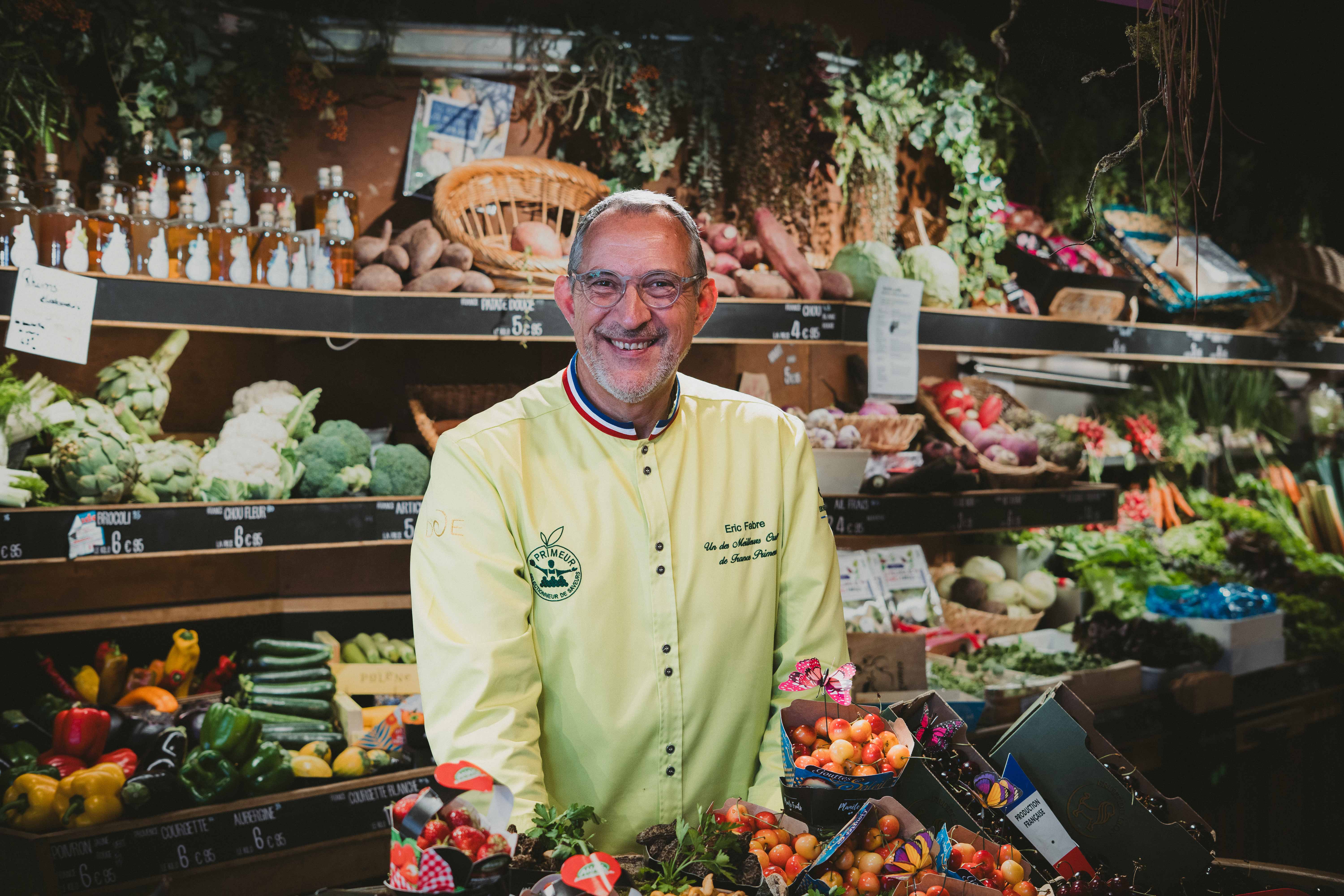
For the best quality, nothing beats the advice of an expert, look out for a MOF Primeur (Meilleur Ouvrier de France), a title given to the very best fruit and veg craftsmen in the country. Don't miss the "Ask the Expert" series to learn how to shop like a professional.
When shopping, always look for the "Origine France" label. It’s a guarantee of shorter supply chains, respected seasonality, and unbeatable flavour.
So, where will your first stop be at the next market? I hope these tips help you fill your basket with the best of the season. Happy shopping and, above all, bon appétit!
Contributor

La Cuisine de Géraldine
Food Blogger
Tags
On the same subject
THE FRENCH PANTRY
Market Fresh: France’s Seasonal Produce for Spring & Early Summer
In partnership with Fruit and Veg from France
Most popular this week