How to Pair Wine with French Cuisine? Our Best French Wine Pairing Tips
Discover how to pair French wine with classic French cuisine using expert tips on acidity, tannins, and more. Elevate your next meal with our easy, authentic French food and wine pairing ideas.

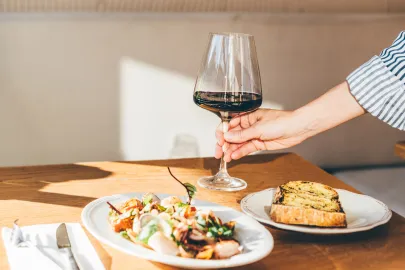
Mastering French wine pairing doesn’t have to be complicated. From balancing acidity and tannins to choosing the perfect bottle to pair with beef bourguignon, escargots or a cheese soufflé, our expert tips will help you confidently pair French wines with classic French cuisine and enhance every dining experience. Not sure where to begin? We’ve got you covered. Follow our five expert tips for pairing French wine and cuisine below.
Tip #1: Use Acidity to Complement and Contrast
When it comes to pairing food and wine, acidity is one of the most important – if not the most important – factor in the latter. Acidity is a key component to every wine’s structure, as it helps to keep sweetness, fruit-forwardness, and tannins (if applicable) in balance. Moreover, acidity is what keeps a wine tasting fresh and bright, and in the world of food and wine pairing, helps to cleanse the palate in between bites. The interesting thing about acidity is that it can be used to both complement salt and contrast heaviness in a wide variety of dishes.
For example, acidity and salt are a match made in heaven – meaning a high-acid wine will bring out the best in your oysters, potato chips, or other salty snacks. On the other hand, acidity in wine can also cut through a meal’s heavy components – think various fats and creamy sauces alike – keeping the palate refreshed for the next bite to come. Examples of high-acid wines include Champagne, crémants, Sauvignon Blanc, Melon de Bourgogne (Muscadet), and Gamay.
🍷 Food & Wine Pairing Examples:
- Moules Marinières with Muscadet PDO
- Escargots de Bourgogne with Aligoté
- Tartiflette with Chignin PDO (Jacquère grape)
Tip #2: Tannins and Fat Go Hand in Hand
Tannins are the phenolic compounds found in the skins, stems, and seeds of grapes, and are responsible for the signature drying sensation associated with a number of red wines. Often astringent on their own, these robust bottles come to life when paired with fats; when enjoyed together, tannins and fats combine on a molecular level in the mouth, resulting in a softer, more approachable wine and even more flavorful dish. High levels of tannins are most often associated with Cabernet Sauvignon and Syrah, specifically from the Right Bank of Bordeaux and the Rhône Valley, respectively.
🍷 Food & Wine Pairing Examples:
- Beef Bourguignon with GSM Blend (Grenache, Syrah, Mourvèdre – many expressions found in Côtes du Rhône PDO, as well as under the Vin de France designation)
- French Cassoulet with Malbec from Cahors PDO
- Steak Frites with Northern Rhône Syrah
Tip #3: Don’t Overlook Rosé
Although rosé is generally synonymous with summer sipping, this food-friendly wine is ideal for pairing with a myriad of foods year-round. The reason? These zesty, fruit-forward wines are both high in acidity (see tip number one) and lack tannins (see tip number two), rendering them incredibly versatile on the table. Similarly, rosé is most often associated with France’s sun-drenched Provence reason, though great examples of the style are produced all across the country, including in Bordeaux, Languedoc, and the Loire Valley alike.
🍷 Food & Wine Pairing Examples:
- Salade Niçoise with Côtes de Provence PDO
- Ratatouille with Rosé from Languedoc
- Quiche Lorraine with Rosé from the Loire Valley
Tip #4: Keep Dessert Wine Sweeter Than the Dish
Pairing wine with sweet courses isn’t as complicated as it may seem, so long as you follow the golden rule: make sure that what’s in the glass is sweeter than what’s on the plate. Serving dry wine with sweet treats will do both courses a disservice, as the overall course will end up tasting astringent and bitter. Best of all, the world of French sweet wines spans the gamut, from late-harvest Chenin Blancs in the Loire Valley to the signature sweet bottlings Bordeaux, Port-like Vin Doux Naturel from the south, and more. However, there is one exception, which leads to our last and final point…
🍷 Food & Wine Pairing Examples:
- Tarte Tatin With Endives And Brie Cheese with Sauternes
- Strawberry and Châteauneuf-du-Pape Tart with Rosé Champagne PDO
- Chocolate Mousse with Vin Doux Naturel (Maury)
Tip #5: When In Doubt, Stick to Bubbles
Almost every wine expert will agree – when it comes to pairing with food, you can never go wrong with bubbles, dessert included. The zesty acidity and effervescent texture of sparkling wine are perfect for pairing with basically everything, from salty appetizers to main courses to dessert alike. While Champagne is the obvious go-to, we recommend exploring other traditional method bubblies (called crémant) from other areas of France, including the Loire, Jura, Alsace, and beyond.
🍷 Food & Wine Pairing Examples:
Contributor

Vicki Denig
Editor
On the same subject
Most popular this week