Organic, biodynamic, and conventional wines: What’s the difference?
Have you ever picked out a bottle of French wine, only to realise it’s labeled organic or biodynamic? While conventional wines still dominate the market, sustainable wines are quickly reshaping the industry. But what do these labels mean, and how do they impact the wines we drink?

Conventional, organic, and biodynamic wines : Decoding their differences
Conventional wines
Conventional wines - as in wines that do not adhere to a particular certification process - still make up the majority of French wine. The term itself, however, is not strictly defined and can include everything from large-scale industrially produced wines to small-scale boutique wineries that use sustainable practices.
In fact, while more and more estates are choosing to follow eco-conscious practices, most choose not to undergo the certification process, which can be expensive and restrictive. Some prefer going with the “man in the middle” labels such as HVE (Haute Valeur Environnementale), which focuses on biodiversity conservation, reducing chemical inputs and water management and soil health, while still maintaining some flexibility. Other such labels, like Terra Vitis and Vins Méthode Nature, are also gaining traction among producers seeking a balance between sustainability and freedom in their winemaking.
Ultimately, conventional wines are not a monolithic category; they span a vast spectrum of practices and philosophies. Whether an estate follows traditional farming methods, integrates sustainability without certification, or aligns with flexible labels like HVE, what truly matters is the winemaker’s commitment to quality and respect for the land.
Organic wines
In France, organic wines are certified by the European Organic "green leaf" label. This signifies to customers everywhere that the wine has been vinified without the use of synthetic chemicals, limited sulfites and strong focus on soil health and regenerative agricultural practices.
While for a long time, wine amateurs were looking down on organic wines, the truth is that most well-established wineries are now pursuing this type of viticulture. Not only is it beneficial for the planet, but also for the wines, which tend to strive towards a purer representation of their terroir. In fact, this movement is so popular that 22% of all of France’s vineyards are now following organic practices; a trend which is definitely on the rise.
Biodynamic wines
Biodynamic wines are sometimes put under the same category as organic wines. But while they both adhere to strong environmentally conscious practices, biodynamic wines take it a step further. The idea was first coined by Austrian philosopher extraordinaire Rudolf Steiner in the 1920s. He penned down several principles for the perfect vinification process, which included taking care of the terroir naturally but also following the lunar cycle for vineyard work. He also recommended using natural preparations like herbal sprays and compost to enhance soil health.
Today, biodynamic wines can be certified by Demeter or Biodyvin labels. The wines are produced under strict guidelines designed to restore balance to the vineyard ecosystem. Also, while for many years, biodynamic practices were considered somewhat esoteric, more and more producers are starting to see their many benefits. In fact, in 2023, Demeter France reported that nearly 14000 hectares of vines were now certified biodynamic, with the number doubling in the last 5 years alone. A trend that is sure to convert more and more adepts, who soon realize that some of the most prestigious estates in the world (Romanée Conti, anyone?) have been using these principles for a long time.
Natural wines
Unlike organic or biodynamic wines, natural wines are not regulated by any certification. However, they are supposed to be wines typically made with organic or biodynamic grapes and minimal intervention in the cellar. Winemakers avoid commercial yeasts, added sulfites, and filtration, resulting in wines that are often cloudy, unpredictable, and deeply expressive of their terroir. While natural wines have gained a cult following, their lack of standardisation means that quality varies widely, making them a more adventurous choice for consumers.
The French wine industry & sustainable practices
France has emerged as one of the world’s leaders in organic and biodynamic winemaking, with some regions making the transition faster than others.
Alsace: The organic wine champion
The Alsace region accounts for 12.8% of France’s global organic vineyard , making it one of France’s most eco-conscious regions. Many estates, including prestigious Domaine Zind-Humbrecht, have adopted biodynamic practices, pushing the boundaries of sustainable winemaking.
Jura: The home of minimal intervention
Jura has long embraced natural winemaking, with producers using minimal sulfur and traditional grape varieties like Savagnin and Poulsard. The region is known for its oxidative, terroir-driven wines, - such as orange wine! - that have gained a devoted following.
Burgundy : Iconic estates going into biodynamic
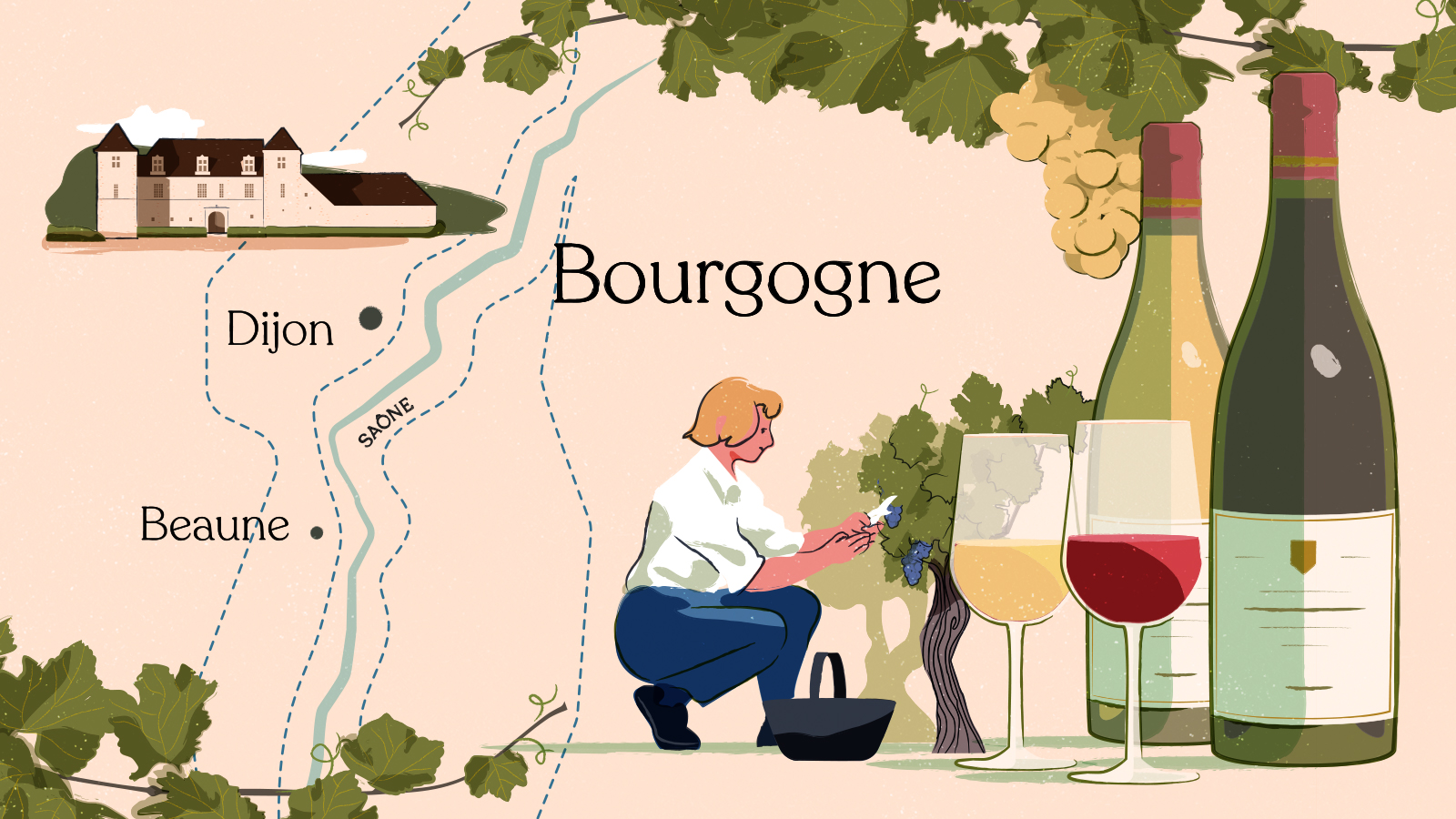
Even Burgundy, home to some of the most expensive wines in the world, is shifting towards sustainability. Domaine de la Romanée-Conti (DRC) switched to full biodynamic farming in 2007, while estates like Domaine Leroy and Domaine Leflaive have championed organic viticulture for decades.
Breaking the elitist perception of French Wines
For many consumers around the globe, French wines carry a certain aura of prestige and exclusivity, but the reality is that organic and biodynamic wines are more accessible than ever. Most estates now focus at least one cuvée on organic and biodynamic practices, making sustainable choices available at every price point, and for every palate. From crisp Alsace whites to rich Rhône reds, there’s something for everyone! So, next time you’re picking out a bottle, why not explore the future of French wine? With sustainability at the heart of the industry, there’s never been a better time to enjoy the best of what France has to offer.
On the same subject
Most popular this week