Whether hosting a group or enjoying a solo glass at home, understanding proper wine etiquette and how to serve wine correctly is the best way to ensure that your wine shows its best. From choosing the right glassware to mindfully tasting, our expert tips will help you serve and drink wine like a pro.

How to Choose the Right Wine Glass
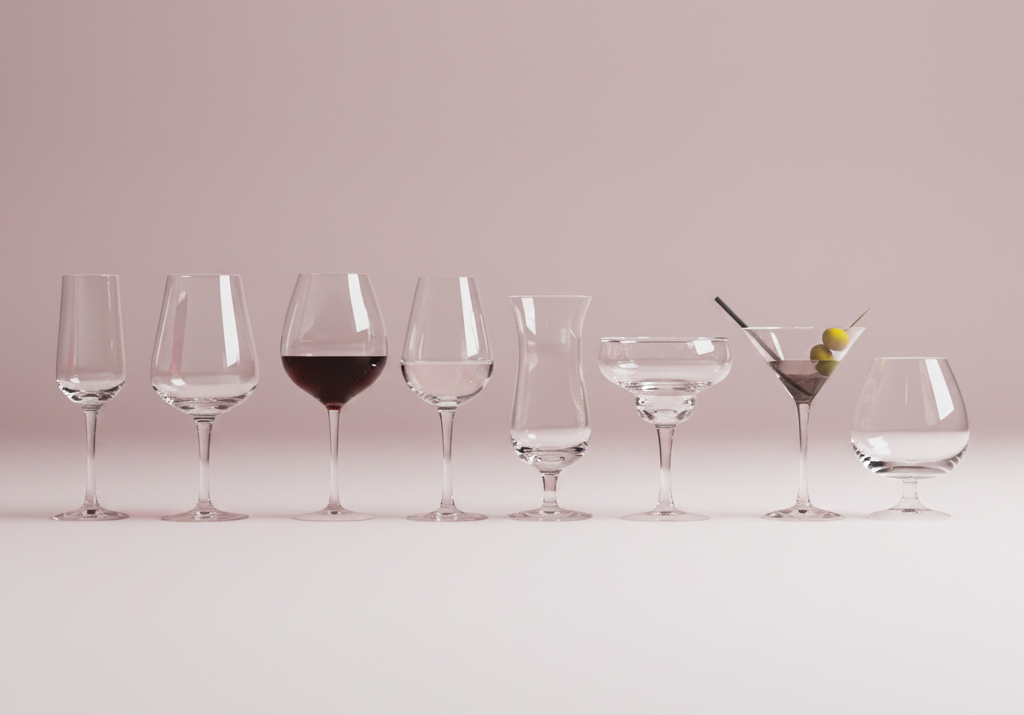
Wine glassware plays a key role in how a wine’s flavors and aromas come to life. The shape of the bowl and rim diameter determine how oxygen will interact with the wine in the glass, which in turn, affects how it’s perceived on the palate. Wine glasses with wider bowls allow for more oxygen contact, whereas tapered glasses with more narrow rims will limit it. Generally speaking, red wines will benefit from larger bowls, as the increased oxygen contact helps to soften tannins. On the contrary, white and sparkling wines show their best in narrower glasses, which allow for less oxygenation and also help to preserve cooler serving temperatures.
🥂 While Champagne and other sparkling wines are synonymous with tulips and flutes, we recommend enjoying them in tapered white wine glasses, as the limited diameters of the former can prohibit aromas and flavors from fully developing.
Best Wine Serving Temperatures
Serving wine at the correct temperature is essential for unlocking its full aroma, flavor, and overall quality. Regardless of color and style, overly chilling wines will result in restricted aromas and flavors, and can even make the wine taste watery; on the contrary, wines served too warm will feel hot and flabby, as well as unpleasantly accentuate tannins in red wines.
As a general guideline, sparkling wines such as champagne and crémants are best served well chilled (41°F to 50°F) to preserve their freshness and bubbles. White wines should be served just above refrigerator temperature (45°F to 55°F). Whether from Bourgogne (Burgundy), Chinon or beyond, Red wines show best at cellar temperature (around 55°F / 13°C).
How to Open Wine Properly
While popping corks enthusiastically can feel festive and celebratory, opening wine as quietly as possible is actually the goal. In the case of sparkling wine, such as Crémant de Loire PDO or Champagne, pulling corks with a pop can release excess carbon dioxide, rendering the wine flatter and less bubbly than ideal. Additionally, dramatically opening sparkling wine can cause corks to go flying… which can be dangerous in a room filled with people! Lastly, opening older wines with caution is imperative, as doing so can prevent shocking the juice inside after years of remaining still.
How to Pour Wine Correctly
When serving wine to others, make sure that the label faces the consumer in question, as this will allow them to see exactly what’s going into their glass (some wines will even showcase an easily identifiable organic label, certifying that the wine was made from organically-farmed fruit). Additionally, holding the wine by its base allows for maximum control over the bottle, minimizing the risk of spills—and always be sure to pour for others before yourself!
How to Taste Wine with the ‘5 S’ Method
Drinking wine is an all-encompassing experience, meaning that tasting it should utilize all five senses. To enjoy your first sip like the pros, simply follow the 5 ‘S’ Method: See, Swirl, Smell, Sip, and Spit / Savor. Hold your wine against a white background to assess its color, then give it a swirl to allow oxygen to enter into the glass. For example, a red wine from the Rhône Valley will generally showcase a distinct ruby hue, which is most easily identified against a solid white background. Stick your nose into the bowl and take in all of the wine’s aromas prior to sipping, then spit or savor—the choice is yours!
How to Hold and Swirl a Wine Glass Properly
Once the wine is in your glass, the way you handle it will also affect your experience ahead. Be sure to hold the glass by the stem, not the bowl, as doing so will unpleasantly warm the wine, particularly in the case of crisp whites from the Loire Valley and beyond, as well as result in dirty fingerprints on the glass). Similarly, swirling the wine by holding the stem—not the bowl—is also key, though if you’re worried about spilling, simply leave your glass on the table and swirl from its stem or base.
Consume Consciously
Perhaps the most important tip of all, consume consciously! No one wants to be remembered as the drunkest person in the room, especially when enjoying wine in a professional or public setting. If you’re planning to enjoy a large number of wines in a short period of time, simply ask for a spit cup and savor accordingly.
Contributor

Vicki Denig
Editor
Tags
On the same subject

Most popular this week