Wine Glass Guide: Which Shape to Use (and Why Flutes Aren’t Best for Champagne)
Wine glass shapes may seem like an aesthetic choice, but there’s actually far more science behind it than you may think. Curious to learn more? We’re breaking down everything you need to know about different wine glass shapes, including why certain styles can actually do your wine a disservice (Champagne flutes, we’re looking at you).

The Science Behind Wine Glass Shapes
The shape of a wine glass directly correlates with how much oxygen will be exposed to the wine, which will ultimately change the sensory experience of it both on the nose and on the palate. Wider bowls will allow for more oxygen to enter the glass, which can be beneficial for certain styles of wine, whereas a more narrow rim will help to keep delicate aromas and textures intact. The size and shape of a wine glass also plays into how temperature is maintained; smaller, more narrow glasses will keep wines cooler over longer periods of time, whereas larger bowls will cause wines to warm faster.
Sparkling Wine Glasses
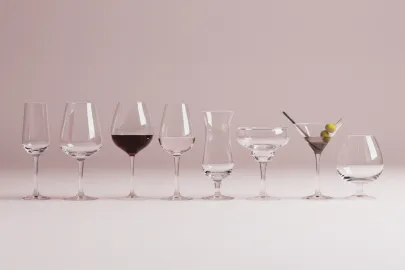
Sparkling wines—including Champagne and crémants—are most often served in coupes, tulips, or flutes, which provide certain pros and cons in terms of enjoyment. Although taller, thinner glasses will preserve the wine’s bubbly texture for longer, the extreme narrowness of a flute’s bowl can mask delicate aromas and flavors found in the wine. Similarly, while coupes are festive and offer more interaction with air, their widespread rims can cause aromas and bubbles to dissipate too quickly. The simple solution? Opt for a middle-of-the-road tulip, or better yet, reach for a tapered white wine glass with a small bowl for the best of both worlds.
White Wine Glasses
Like sparkling wines, white wines are best served in narrower bowls, as their smaller size ensures both temperature maintenance and preservation of aromas. For lighter-bodied whites, such as Sauvignon Blanc from Touraine PDO or Melon de Bourgonge from Muscadet PDO, as well as rosés from Côtes de Provence PDO, stick to smaller, tapered white wine glasses to ensure that delicate floral notes and bright fruit flavors show their best. For fuller-bodied white wines, such as Chardonnay from Bourgogne PDO, a slightly larger bowl can often be beneficial, so as to let oxygen integrate and open up the deeper aromas and flavors found in the wine.
Red Wine Glasses
Red wines are often served in larger glasses, though not all darker-hued wines are created equal. For example, lighter-bodied reds like those from Beaujolais AOC will benefit from a slightly tapered glass—or even a white wine glass—as their acidity, bright fruit flavors, and floral undertones will disappear quickly if too much oxygen contact is achieved. On the contrary, fuller-bodied reds with bigger tannins—like Bordeaux blends or those from the Rhône Valley —can hold their own in larger bowls, as the extra oxygen contact will simultaneously open aromas, flavors, and soften tannins.
Additional Wine Glass Styles
Beyond flutes, tulips, and standard white and red wine stems, a variety of other glassware exists. Smaller glasses, like those designated for fortified wines from France’s southerly Roussillon area, are perfect for maintaining temperature and keeping ideal oxygen contact, while stemless glasses can be great for casual outdoor gatherings and precarious situations—just keep in mind that holding stemless glassware will cause temperature fluctuations within the glass, so avoid holding the glass when not swirling or sipping!
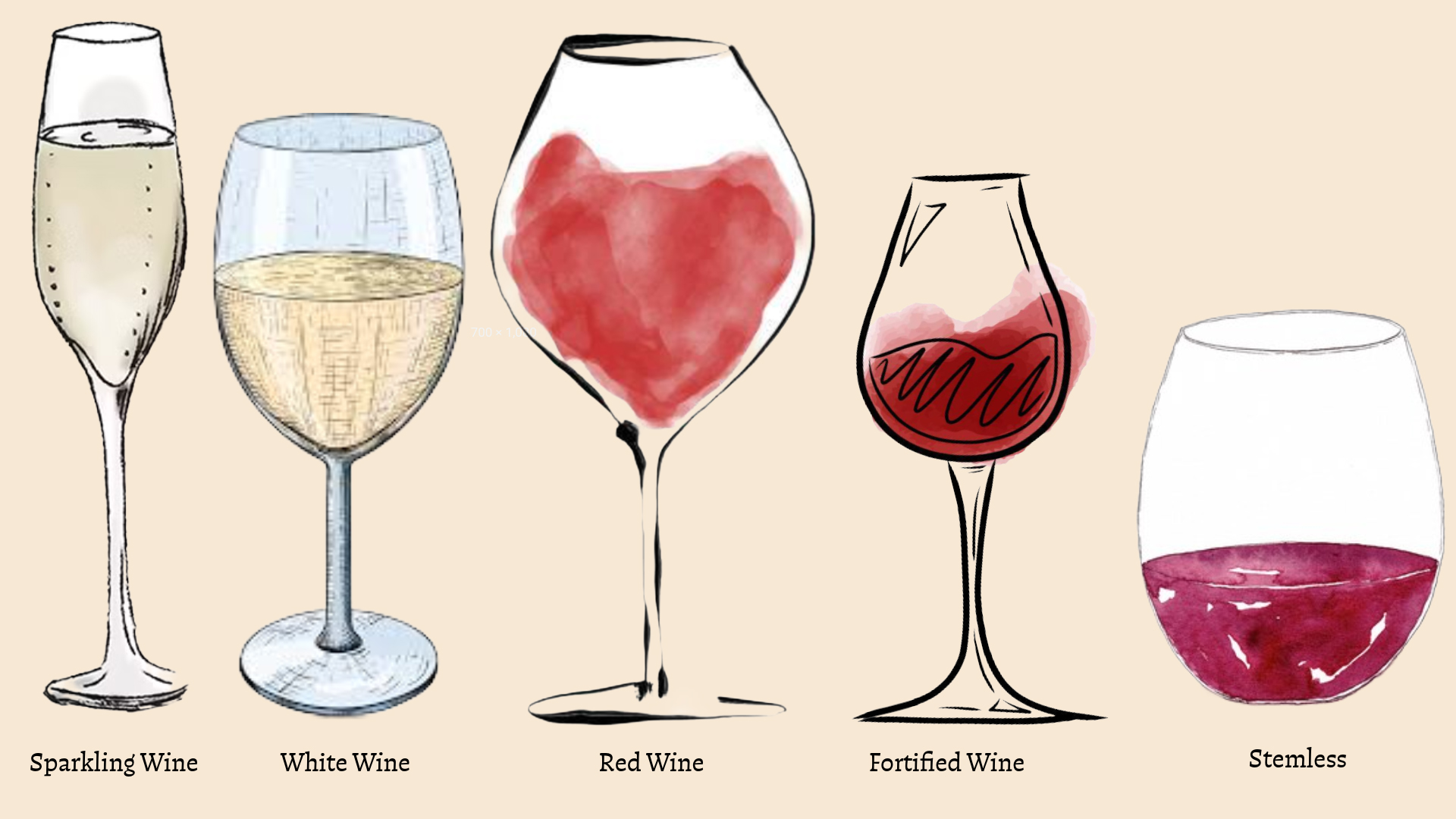
© Vicki Denig
Contributor

Vicki Denig
Editor
Tags
On the same subject


Most popular this week