Gathering around the Reveillon Table: A Tour of French Christmas Culinary Traditions
Caviar, truffles, fowl and foie gras. Oysters by the wooden crate. Bubbles rising in Champagne glasses. Bakery cases laden with unique, decorative sweets. The Christmas period in France is full of culinary tradition, reflecting religious practices, regional harvests, and national revelries. Let’s take a brief, festive tour around some quintessential Christmas flavors. Maybe you’ll find some inspiration for your next holiday table, too.

The Main Event: The Reveillon de Noel
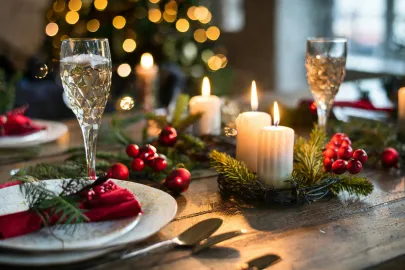
For a nation that treats eating like a national sport, the Reveillon de Noël is basically the Super Bowl. The big culinary event of the Christmas period takes place not on the 25th but on the evening of the 24th, traditionally associated with a long, late, meandering evening meal.
The word Reveillon refers to the act of staying up late or keeping a night’s watch, and the Reveillon de Noel refers to the meal traditionally served after attending a midnight mass on Christmas eve. Many of the symbols and traditions of the reveillon have origins that pre-date Christianity, and recall earlier pagan seasonal feast days like Yule. What arrives on the reveillon table varies largely by region, though oysters, champagne, and foie gras are three universal favorites.
Serious about Seafood
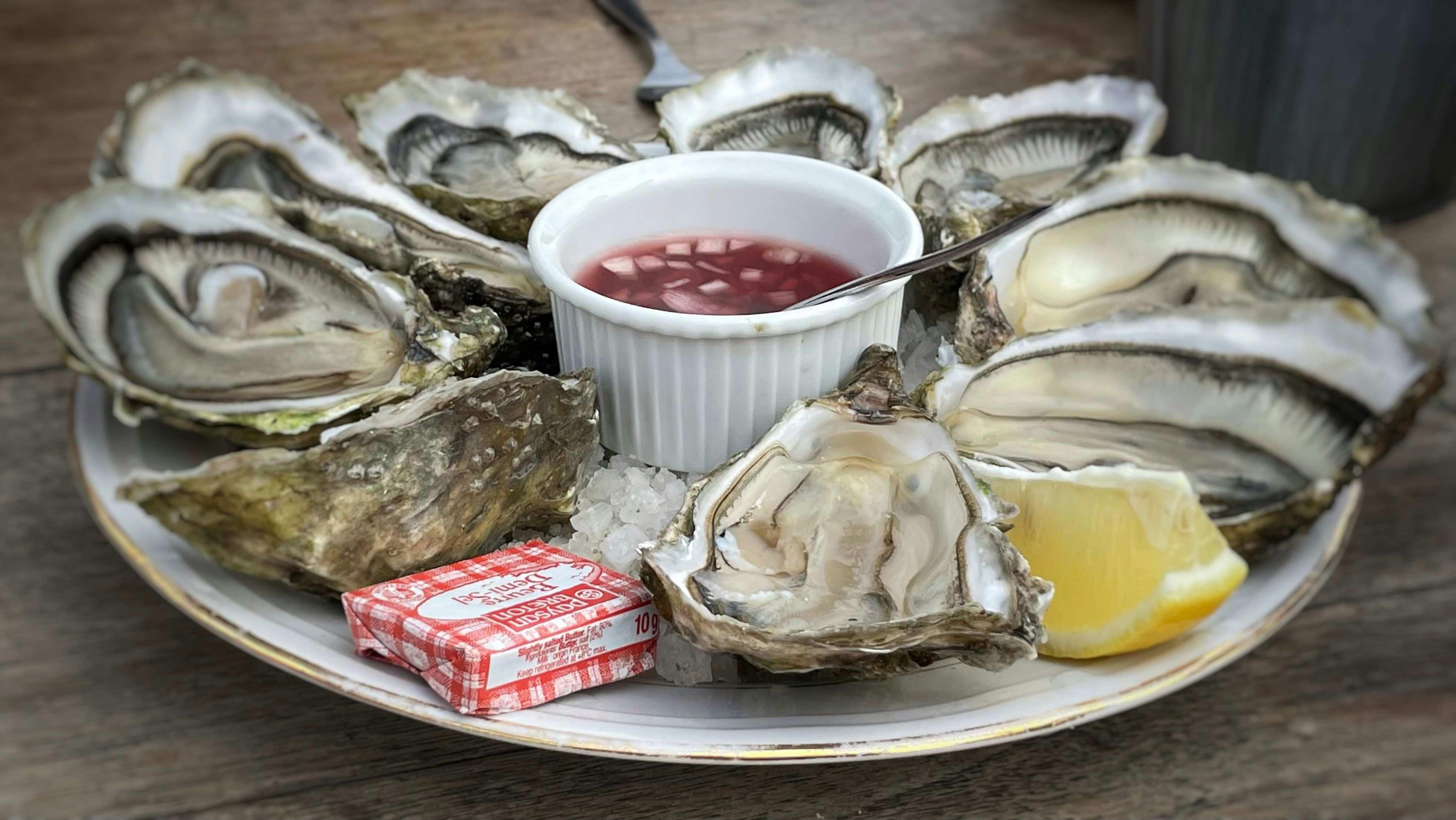
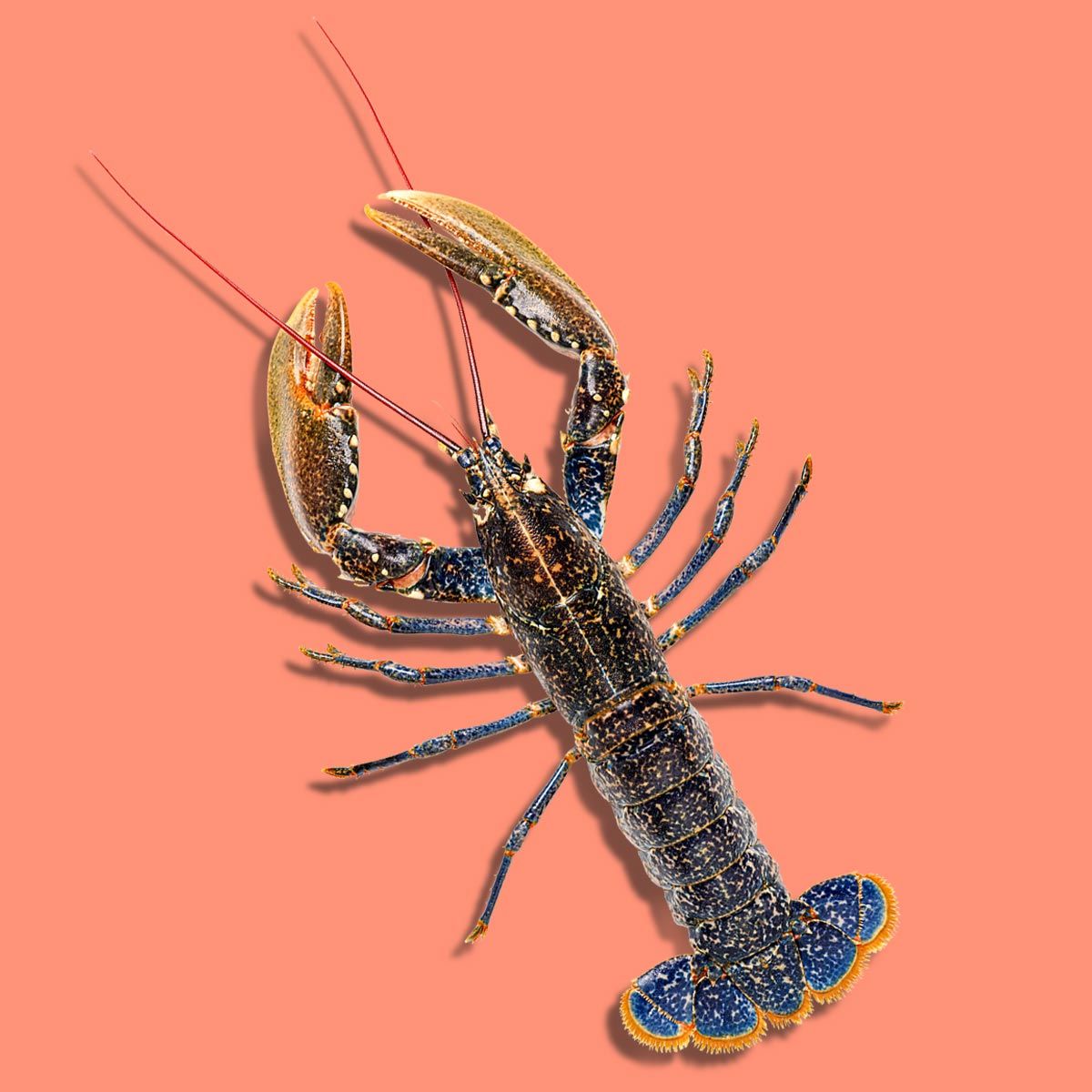
As the waters along France’s long north and west Atlantic coastline begin to cool, France’s seafood gets seriously good, just in time to appear on Christmas reveillon tables. Oysters are popular, and families order them by the wooden crate leading up to the holidays. Fines de Claires from Oléron are a prized variety. Blue lobsters from the coast of Brittany are a favorite splurge item, too.
The 13 Desserts of Christmas
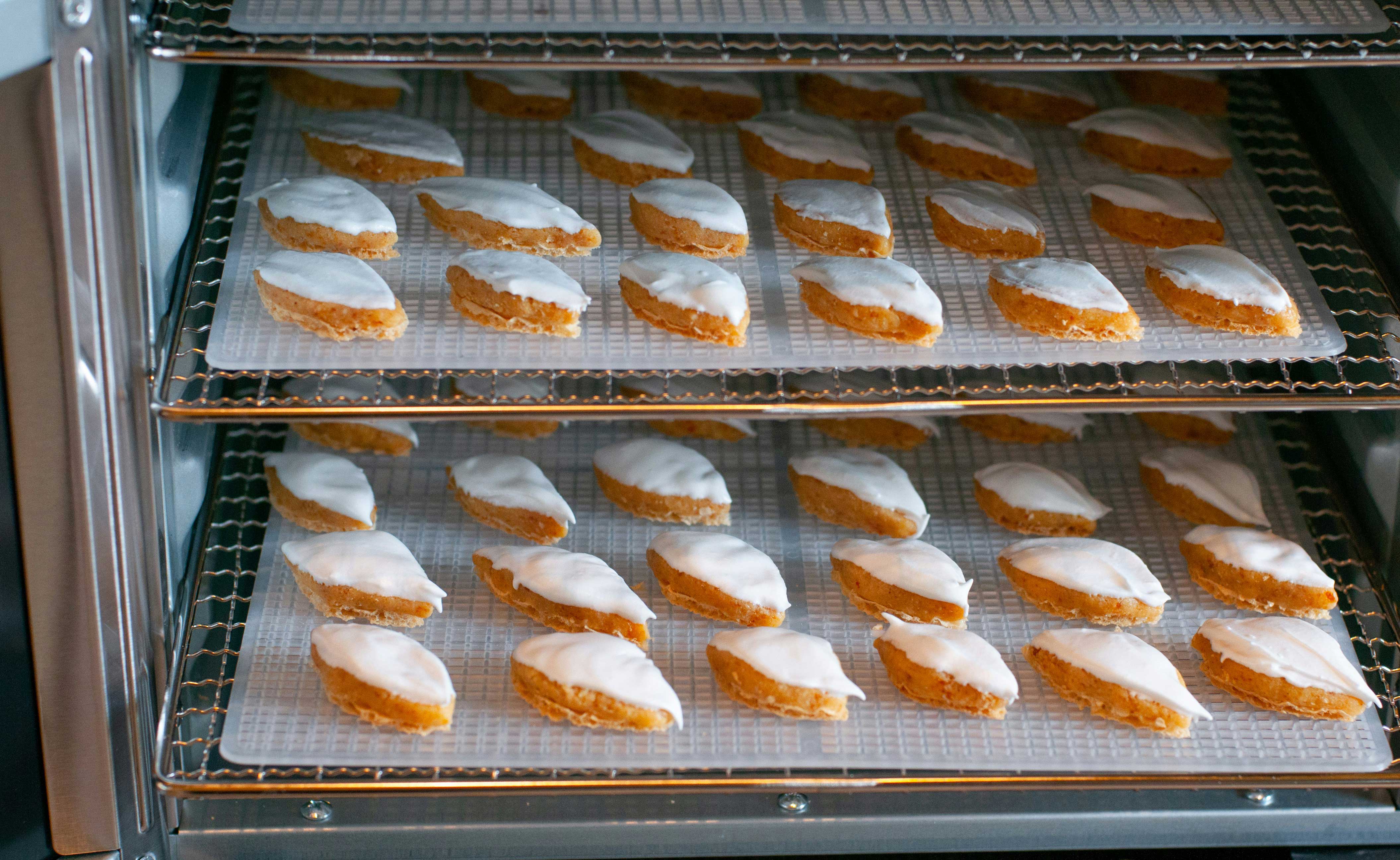
In Provence, the desserts associated with the Christmas reveillon practically need their own table. In the warm Mediterranean climate of the south of France, grapes, candied nuts and citrus, dates, and marzipan calissons are savored. Les Quatre Mendiants are famous chocolates studded with nuts and fruits representing four mendicant orders of monks: Dominican, Carmelites, Franciscans, and Augustinians. In the 20th century, the number 13 comes to signify Jesus and the 12 apostles. Beyond the Christmas symbolism, a traditional spread of fruits, nuts, and sweets is common throughout the region and recalls other winter religious traditions, like the Jewish Rosh Hashanah table or Arabic and Persian solstice celebrations.
The Christmas Market
The residents of France’s eastern Alsace region, along the border shared with Germany, are experts in Christmas cheer. Many of their renowned Christmas traditions have spread to be widely adopted across the country.
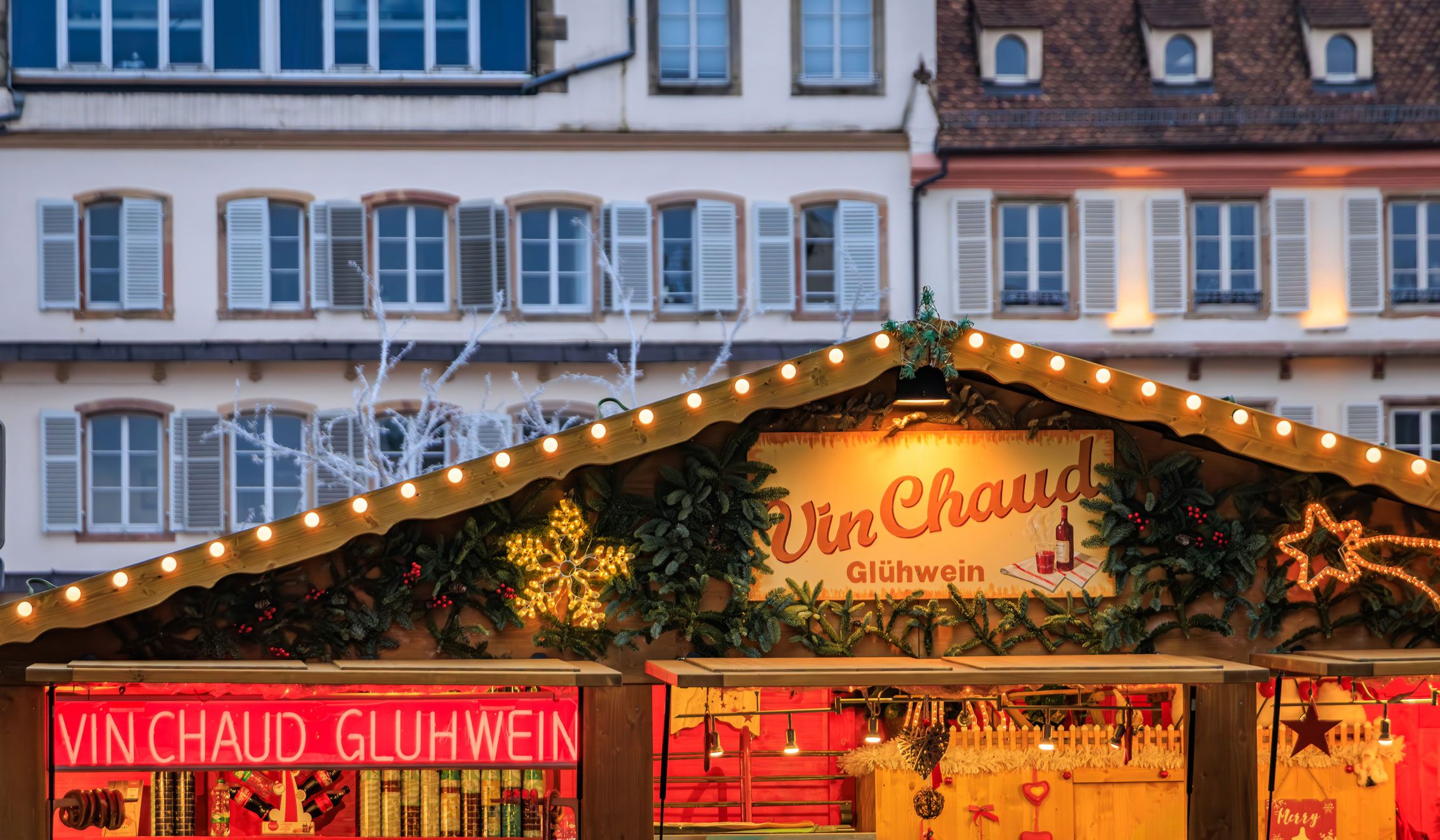
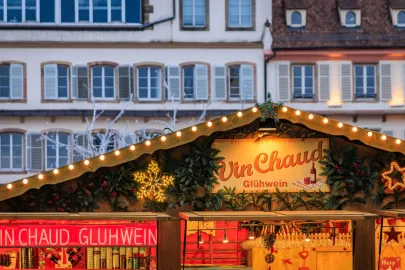
Christmas markets pop up in town squares all around Alsace, most famously in Strasbourg, which draws nearly 3 million visitors a year. Families come to shop from long rows of artisans and artists set up in small, wooden huts along Strasbourg’s main square, and delight in the market’s own culinary traditions, complementary for a long, chilly evening ramble. Think wine mulled with spices (vin chaud), hot chocolate, and long shared tables filled with raclette or fondue.
Bread Specialties
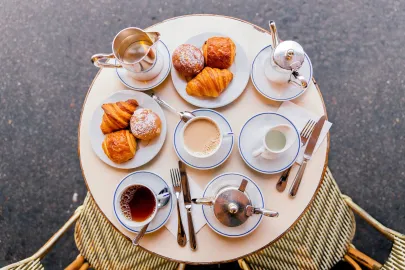
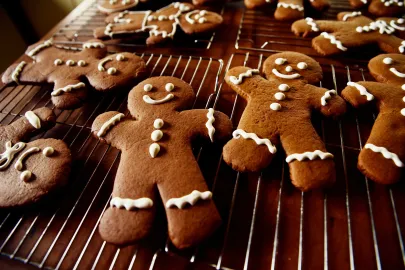
Almost all regions of the Hexagon have some type of distinct holiday bread, related to local ingredients or traditions. In Provence, where the olive harvest takes place in early winter, you’ll find stacks of Pompe a L’huile, a pillowy bun laden with fresh, fragrant olive oil. In Alsace, you’re in the land of gingerbread, or pain d’epices, as commonly known. Some treats directly refer to the imagery of the Christmas holiday. In the far north around Lille, cougnoules are sweetened buns that are adorned with a little baby Jesus sleeping peacefully on top. Associated with the Epiphany, the beloved Galette des Rois deserves its own article, and comes in regional variations of colors, shapes, and ingredients.
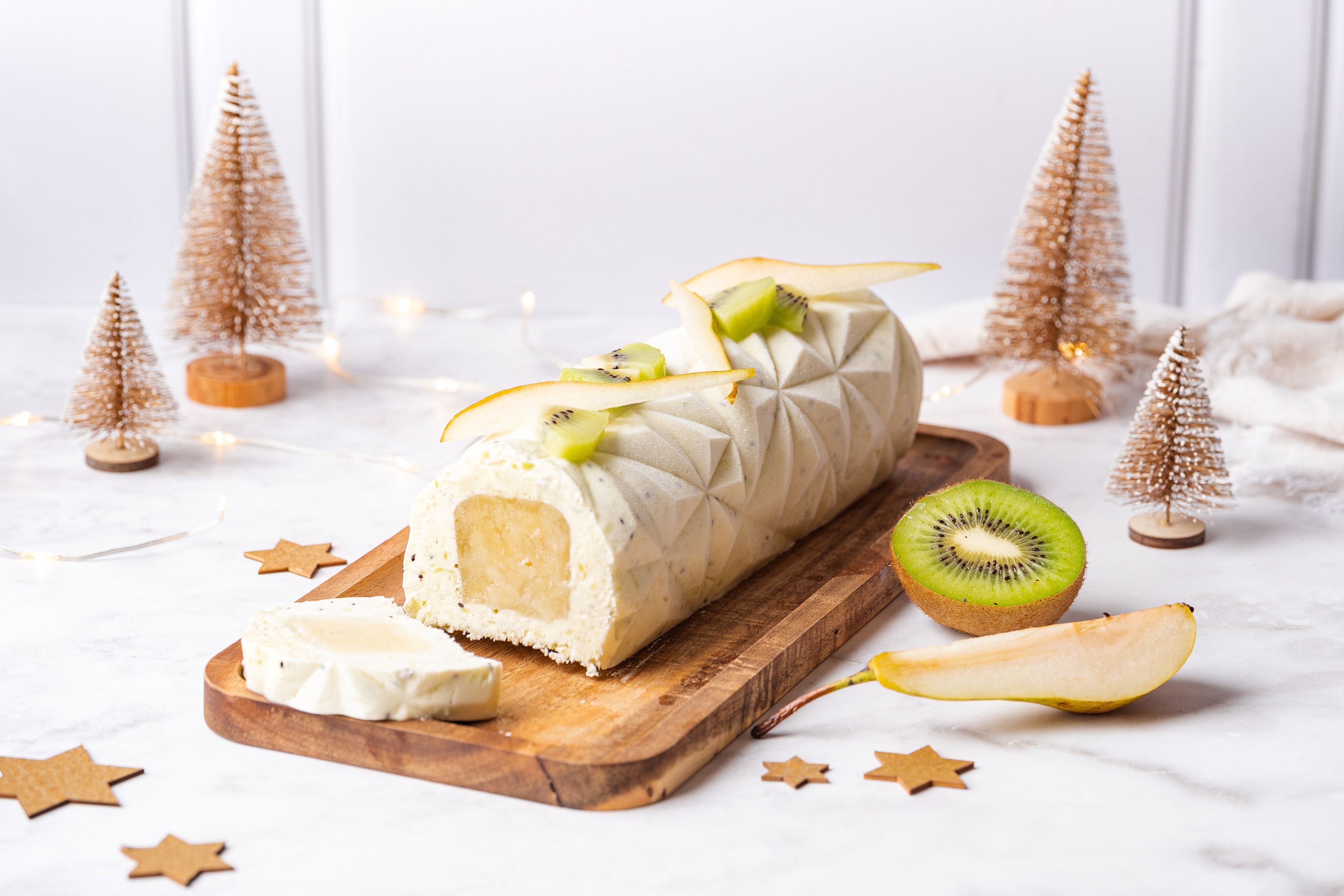
Bûche de Noël
In pre-Christian times, a winter festival known as Yule was celebrated across northern Europe. The ceremonial lighting of a large “yule log” in a communal hearth continued as part of Christmas celebrations through the centuries. It was only a matter of time before the French turned it into a pastry![Saut de retour à la ligne]Where small hearths and urban living limited yule log celebrations, home cooks and bakers turned to symbolic cakes, decorated to resemble tree logs, or bûches. In the 20th century, Paris’s pastry shops took up the mantle. Today, holiday hype builds around the Bûche de Noël, with hotels and top pastry shops releasing unique designs that command long waitlists and high price tags.
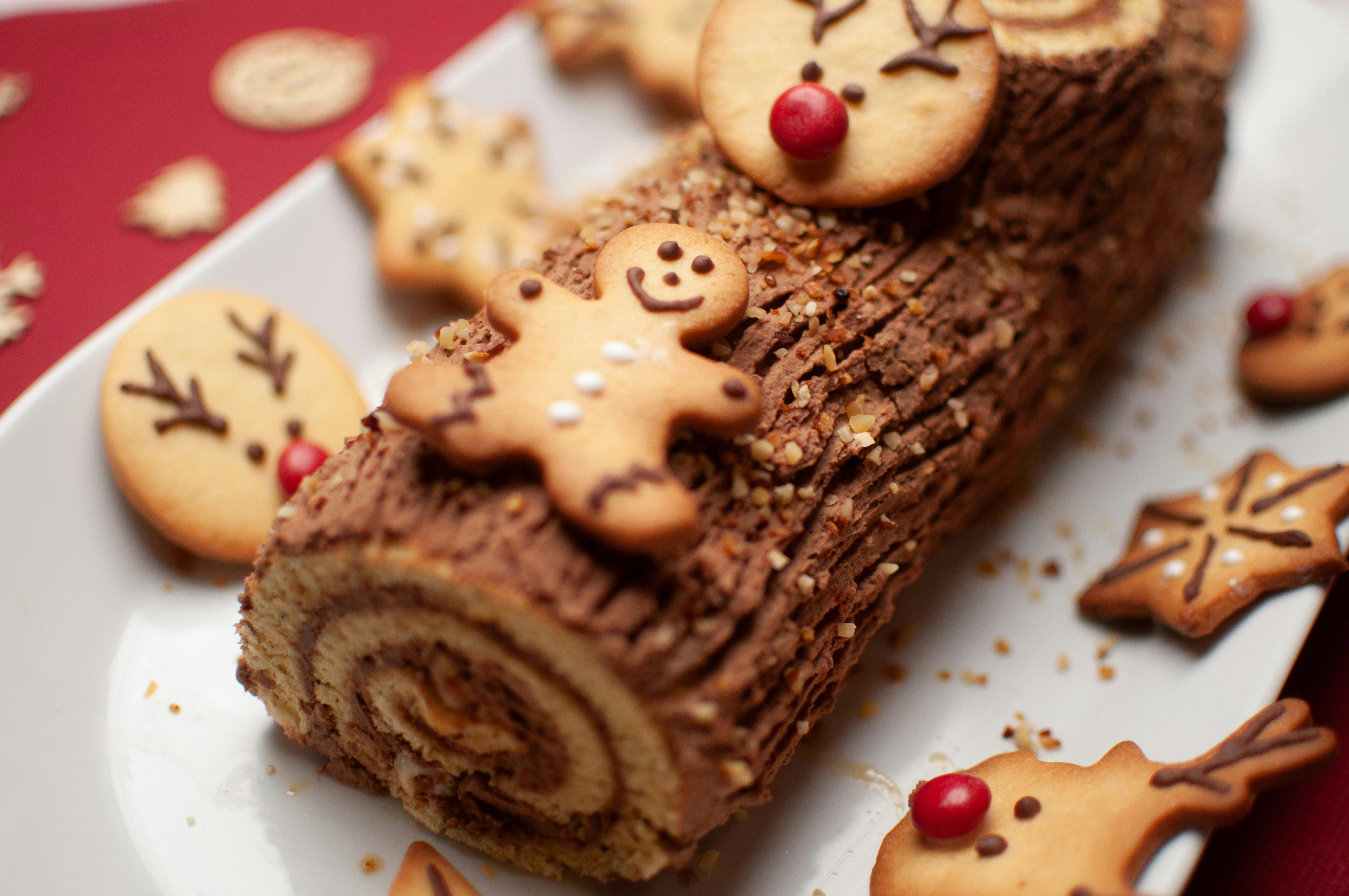
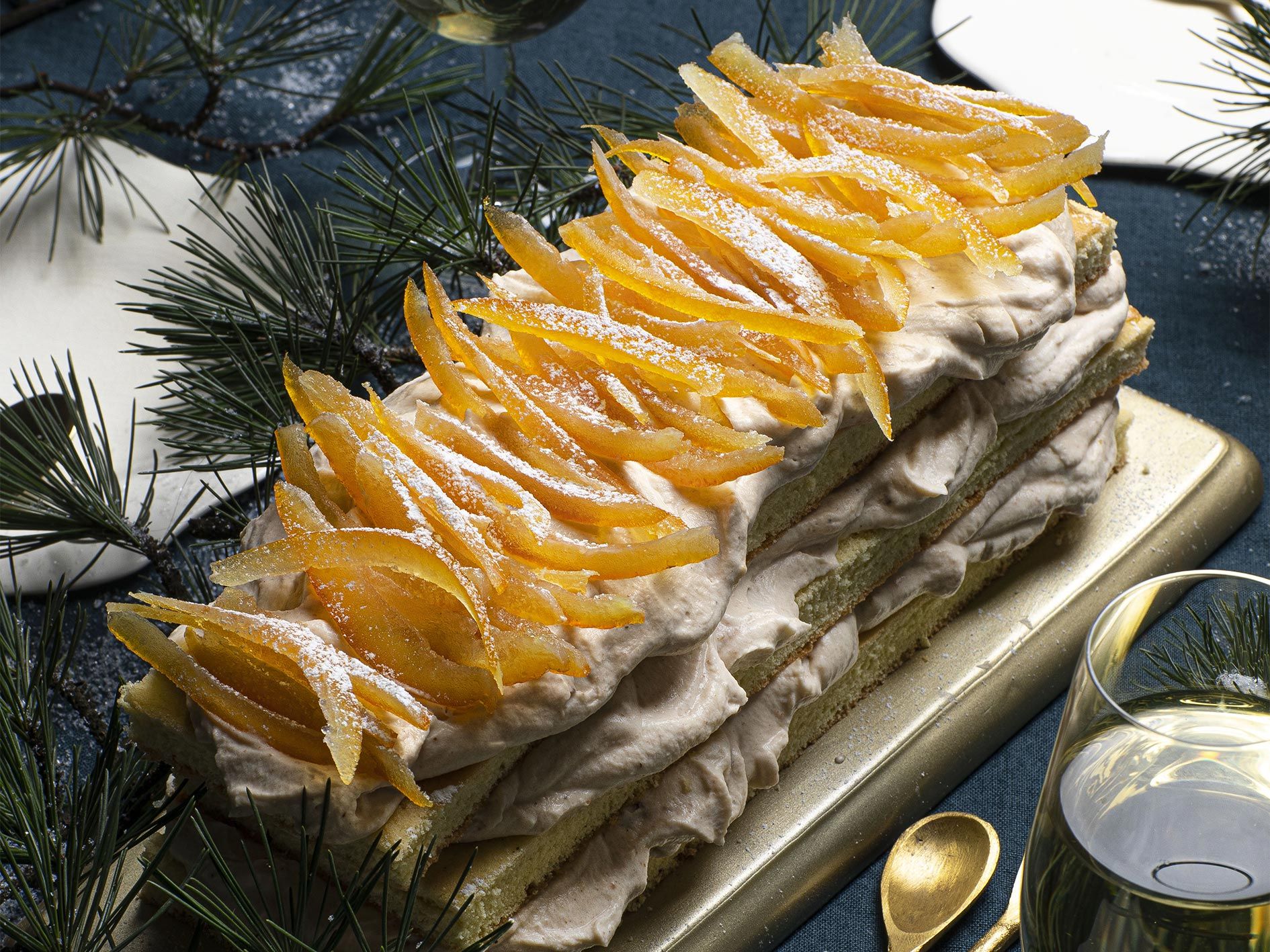
If you don’t want to wait in line, they’re just as fun to make with friends and family at home. Try your hand at this: Yule Log with Chestnut Cream and Candied Orange.
Bubbles, Bubbles, Bubbles
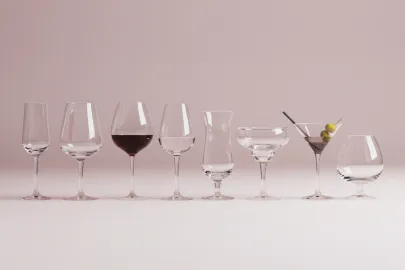
Christmas is a great time to break out your best bubbles. Champagne, Cremants, and Champagne cocktails are all common pours around the French Christmas reveillon table. Crisp effervescent wines are a versatile category that work well with fresh oysters and seafood while also complementing more savory Christmas favorites, like foie gras.
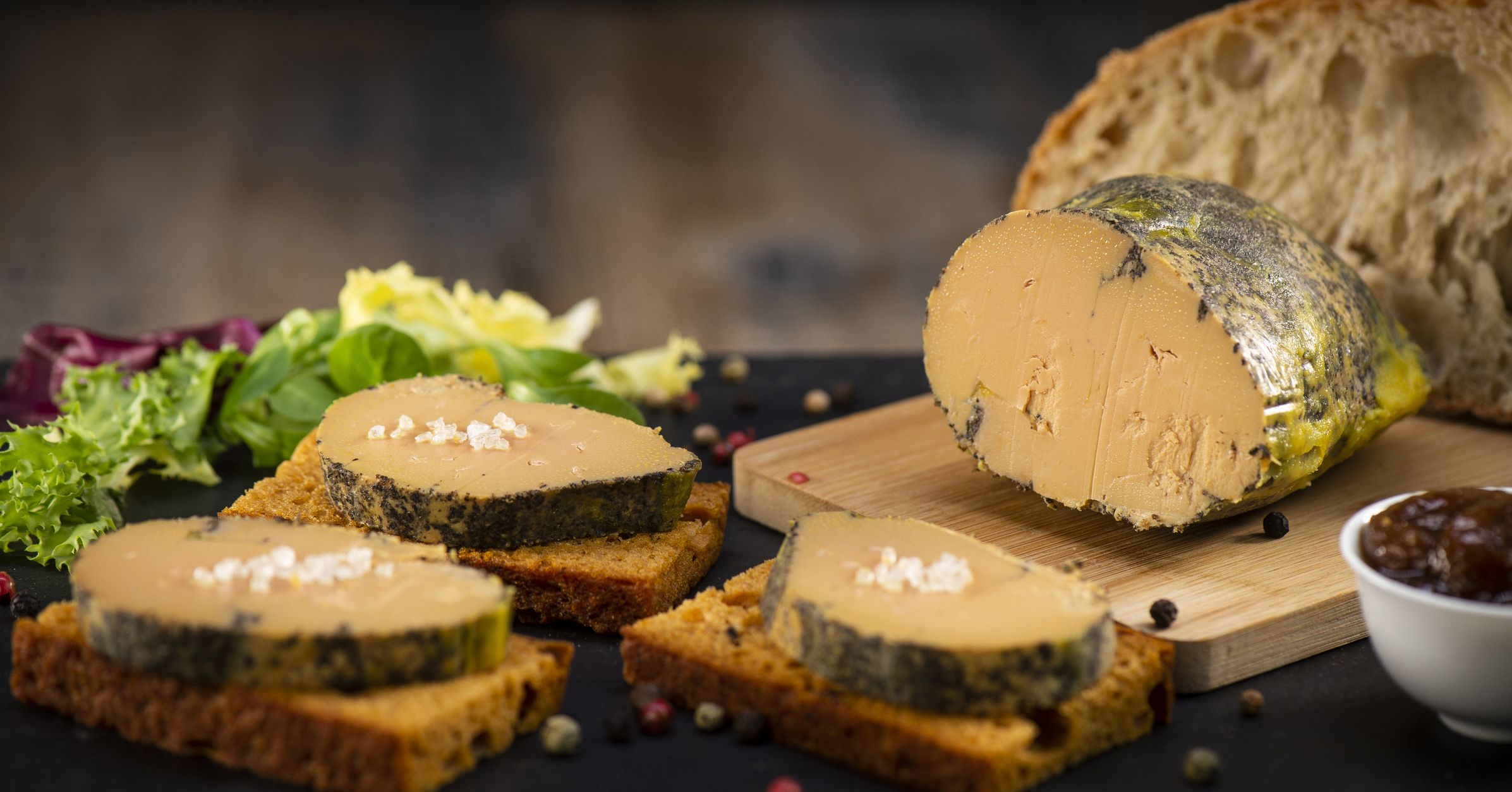
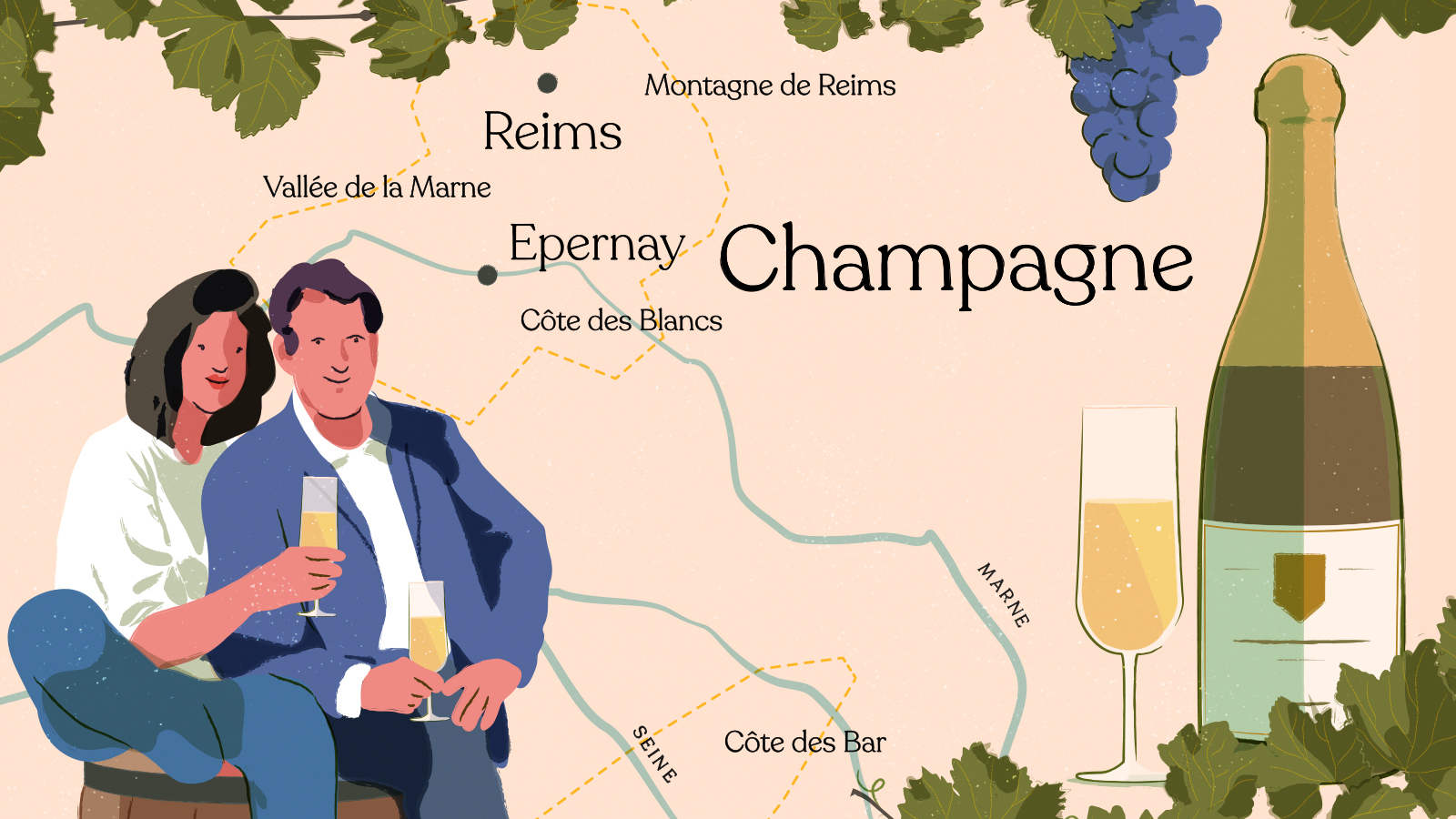
We’ve got a lot of resources to help you choose your best Christmas bubble. Look beyond the Champagne region to these other quintessential (and affordable) French sparklers. Or impress with one of these bartender-crafted Champagne cocktails. You can brush up on the classics with this primer on the Champagne wine region.
Seasonal products, ancient rituals, and Christmas symbolism all contribute to a quintessentially French Christmas banquet. Whether it’s a few oysters, a glass of champagne, or a heaving table of desserts, feel free to steal a few of these traditions to add to your own holiday festivities.
Cheers and bon appétit ! 🥂


Contributor
Christian Letourneau
Cook & writer
Tags
On the same subject
Most popular this week
MEET THE MAKERS
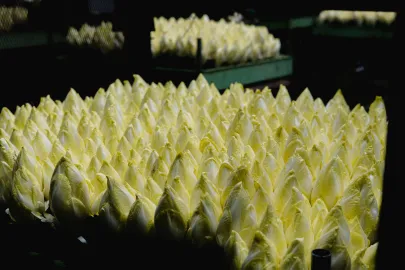
Chicory, the white jewel in the crown of northern France
In partnership with Fruit and Veg from France