Can You Eat the Rind of this Cheese? Rules of the Rind for your Next Cheeseboard
TLDR: Yes. You can probably eat the rind of that cheese.
At least according to Paris cheesemonger Fabrice Gepener, who showed us the ropes in this video. “Cheese Rinds are always edible! To me, they are always interesting. Go for the rind!”
Of course, the long answer is more nuanced. Let’s go step by step through different types of French cheeses to shed some light on the wide world of rind, and find some actionable tips for your next French apéro or cheeseplate.

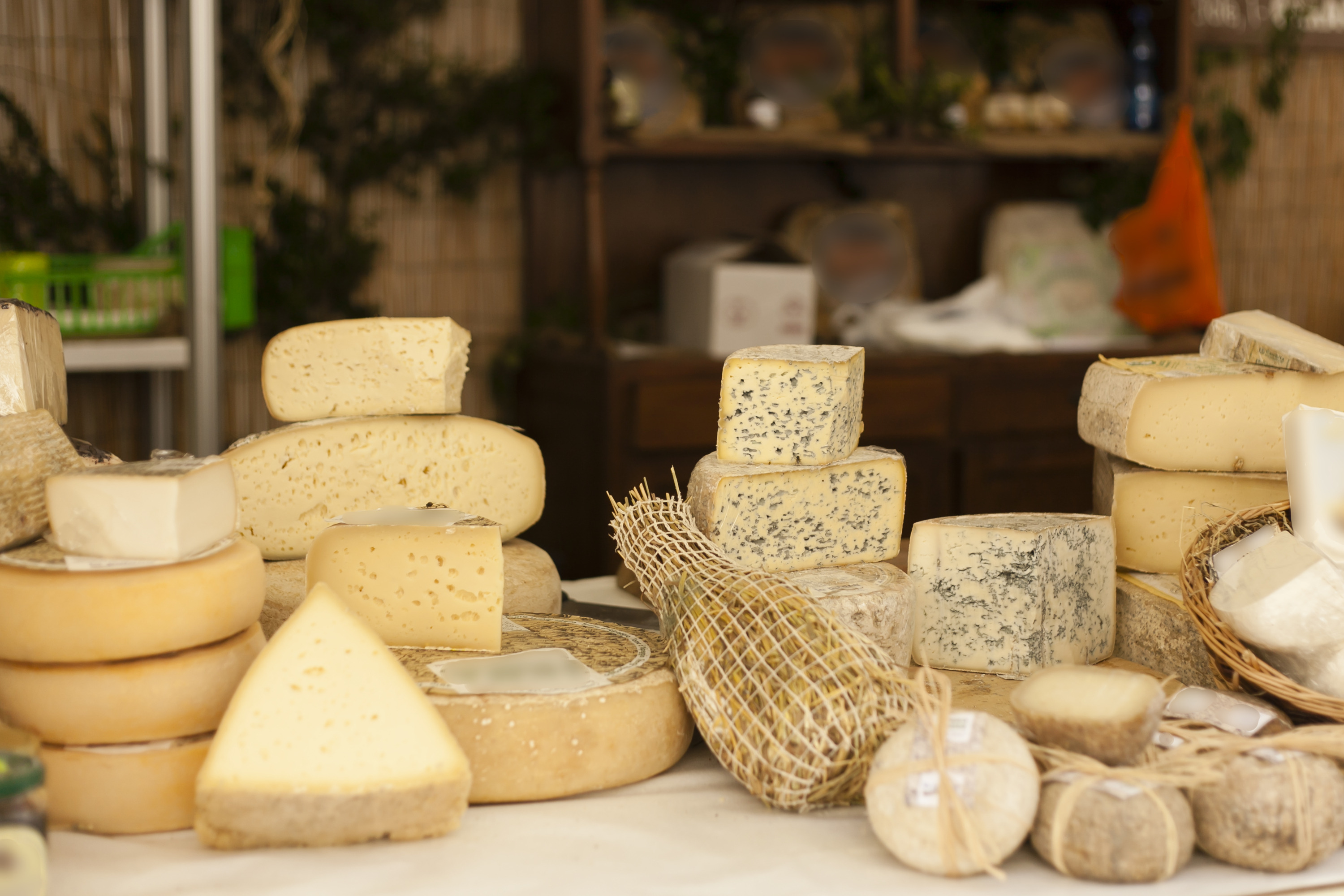
Always: Bloomy Rind Cheeses
Is the cheese soft, white, and fuzzy? Are you about to savor a wheel of Chaource PDO or Brie? Don’t miss out on the rind. No bite is complete without it.
Commonly referred to as bloomy rind cheeses, soft, young cheeses like Camembert, Brie, Reblochon, or Brillat-Savarin are inoculated with a bacteria called penicillium camemberti, which “blooms” in a fine white coat on the outside of the cheese, and adds earthy, nutty, or mushroomy notes to their creamy interiors. In general, digging out the center of a bloomy rind cheese and leaving behind the delicious edges is a serious French faux-pas.
If you’ve had a bad experience with bloomy rinds, you’re not alone. Foreign or mass-produced Bries can have a rind with an ammoniac odor and spongy, unappealing texture. If you’ve been turned off by a bite like that, I’d highly recommend sourcing a French-made brie with the label “PGI” or “PDO” on it. These European certifications assure top ingredients and traditional cheesemaking practices, and might just change the way you approach your next slice.
Always: Washed Rind Cheeses
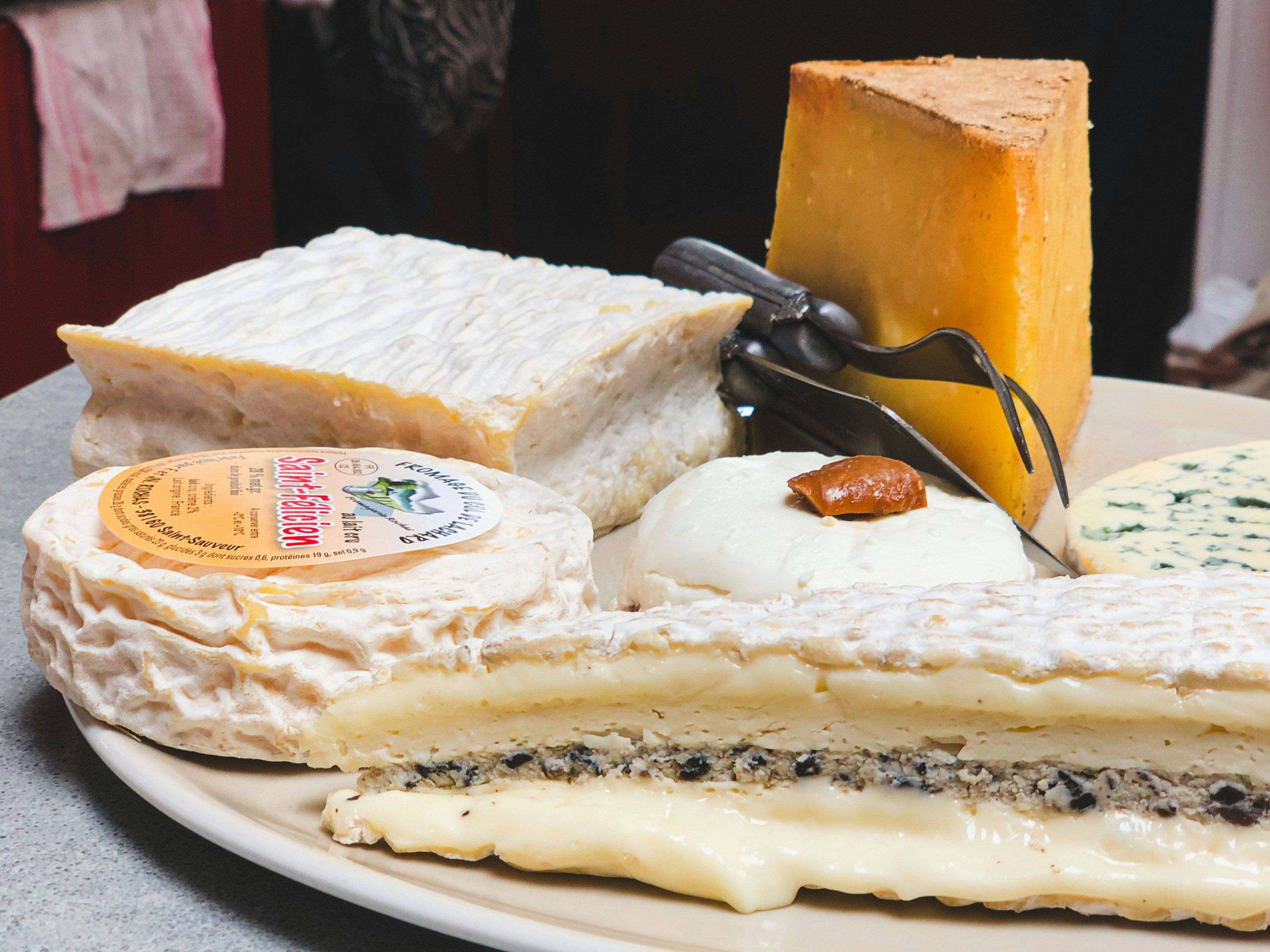
Washed rind cheeses are repeatedly bathed in salt brine or alcohol to curate the development of certain beneficial bacterias, most commonly brevibacterium linens. Washed rind cheeses tend to be aromatic and robust. The widely available Pont-l’eveque is a good, mild introduction to the world of washed rind cheeses.
The rind on these cheeses is edible and recommended to eat. And frankly? You might as well dive right in. Like in bloomy rinds, the relationship between the flavors of the rind and the interior are an important part of the experience.
Never: Waxed or Cloth-Wrapped Cheeses
While less common in France, cheeses that come with a non-natural casing, enclosed in wax like Gouda or wrapped in cotton or linen cloth like some cheddars, are not intended to be eaten. The outer extremities of such cheeses can sometimes be dry or brittle and can be lightly cut away, too.
Usually: Blue Cheeses
Popular French blue cheeses like Rocquefort and Fourme d’Ambert develop their distinctive “blue” yeasts from the inside out, and are aged in a foil casing to keep the texture delicate and moist. These cheeses tend to have a fine, mild rind that is great to eat. Some unique regional blue cheeses buck this trend and opt for a thick, protective outer rind which is generally cut off. When in doubt? Ask your cheesemonger.
Special Mention: Dressed Cheeses
A unique but lesser-known type of cheese rind, “dressed-rind” cheeses featuring additive (but edible) ingredients, like ash, grape pomace, herbs, dried flowers, peppercorns, and more. Valancay PDO, a bright young cheese seasoned with fine ash, is a great example. And yes, ash used in cheese production is edible.
A basic rule of thumb: If a cheesemaker took the time to lovingly roll a wheel of cheese through a bed of carefully prepared edible ingredients… they probably did it for a delicious reason. Feel free to nibble.

It Gets Complicated: Natural Rind Cheeses
A “natural rind” cheese could be any cheese which ages in contact with air, picking up naturally occurring microflora along the way. They might be flipped, brushed, salted, or moved from cave to cave during the aging process. All natural rinds are, as a rule, edible. But whether you choose to dig in or leave it behind is a matter of taste.
The russet rind of St. Nectaire PDO might look intimidating, but adds essential earthy complexity. The light colored rind of a young Cantal PDO looks inoffensive but carries a bitter flavor and is generally cut away. The concave orange-hued rind of Abondance PDO divides opinion; die-hards will savor it, but plenty of people cut it away.
Curiosity Counts
There isn’t always a right answer. And hey, that’s okay. As in life, so in cheese: Savor the stuff you like, and leave behind the stuff you don’t.
While it’s true the French can be pretty adamant about how and when to enjoy their fine cheeses, it’s also true that matters of personal taste and attention are equally important.
If I can leave you with one piece of advice, it’s this: in the wide world of cheese rind, stay curious! Ask your friends, grocer, or cheesemonger.
“Should this be enjoyed with the rind?” is always a sophisticated question.

Contributor

Christian Letourneau
Cook & writer
On the same subject





Most popular this week

MEET THE MAKERS

Chicory, the white jewel in the crown of northern France
In partnership with Fruit and Veg from France