Auvergne Food Guide: What to Eat, Drink & Discover

A bit about Auvergne
Auvergne is a mountainous, land-locked region of central France. Since 2016, it has been part of the much larger administrative area of Auvergne-Rhône-Alpes. Auvergne’s spectacular landscape of dormant volcanoes (Puys), mountain ranges, lush green pastures, dense forests and bubbling hot springs makes it a favoured destination for hikers and nature lovers.

© Andréa Villiers
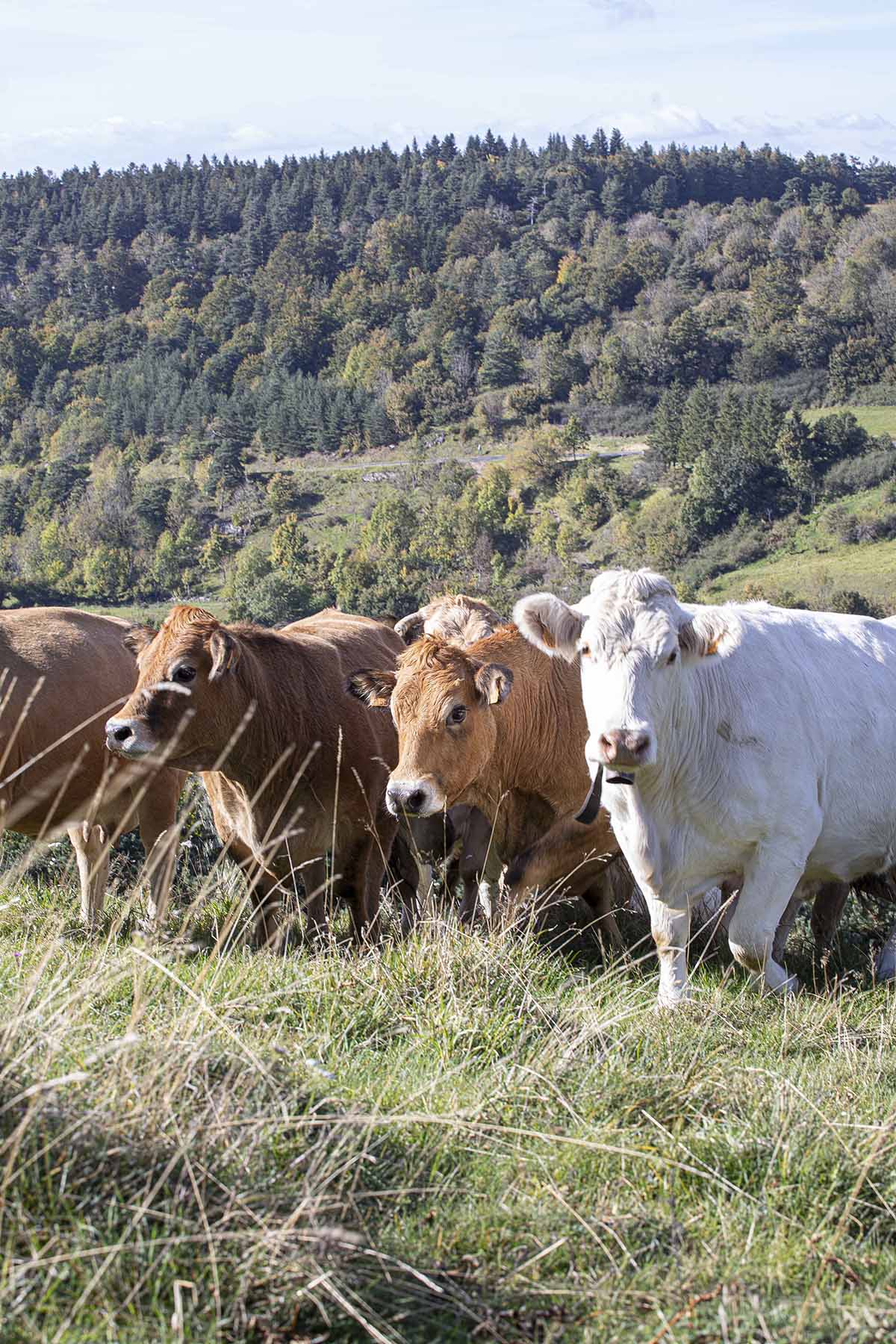
Auvergne is a largely rural region, which is reflected in its delicious rustic cuisine and artisan food products. The area is best-known for its traditional cheeses, made with milk from cattle that graze on its rich mountain pastures. Yet, the fertile soils of Auvergne produce so much more than just first-class fromage. Auvergne’s scenic valleys and verdant uplands are freckled with family meat and vegetable farms, dairies, wineries and apiaries producing incredible mountain honey. Meanwhile, the region’s biggest urban centre, Clermont-Ferrand, is a bustling university city where you can sample both traditional Auvergne cooking and modern, Michelin-star cuisine.
Auvergne’s food and drink specialities
Auvergne is heaven for cheese nerds. The region produces five Protected Designation of Origin (PDO) cheeses, an EU label awarded to produce made in a certain geographical area to traditional methods. One of the best-known Auvergne cheeses is Saint-Nectaire PDO. This pressed cow’s milk cheese hails from the Mont Dore massif and is ripened for 28-days, giving the cheese its nutty flavour and bloomy rind.
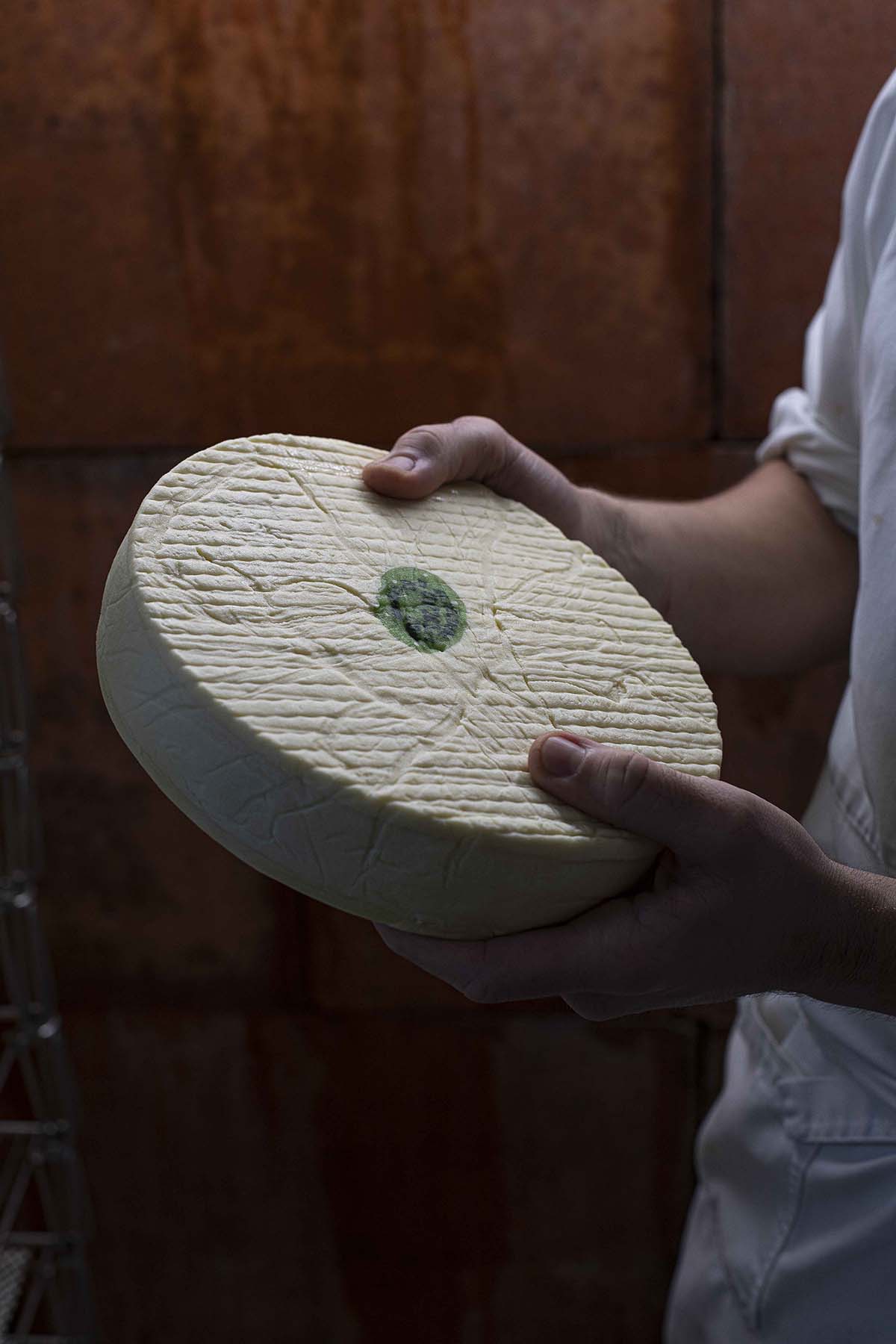
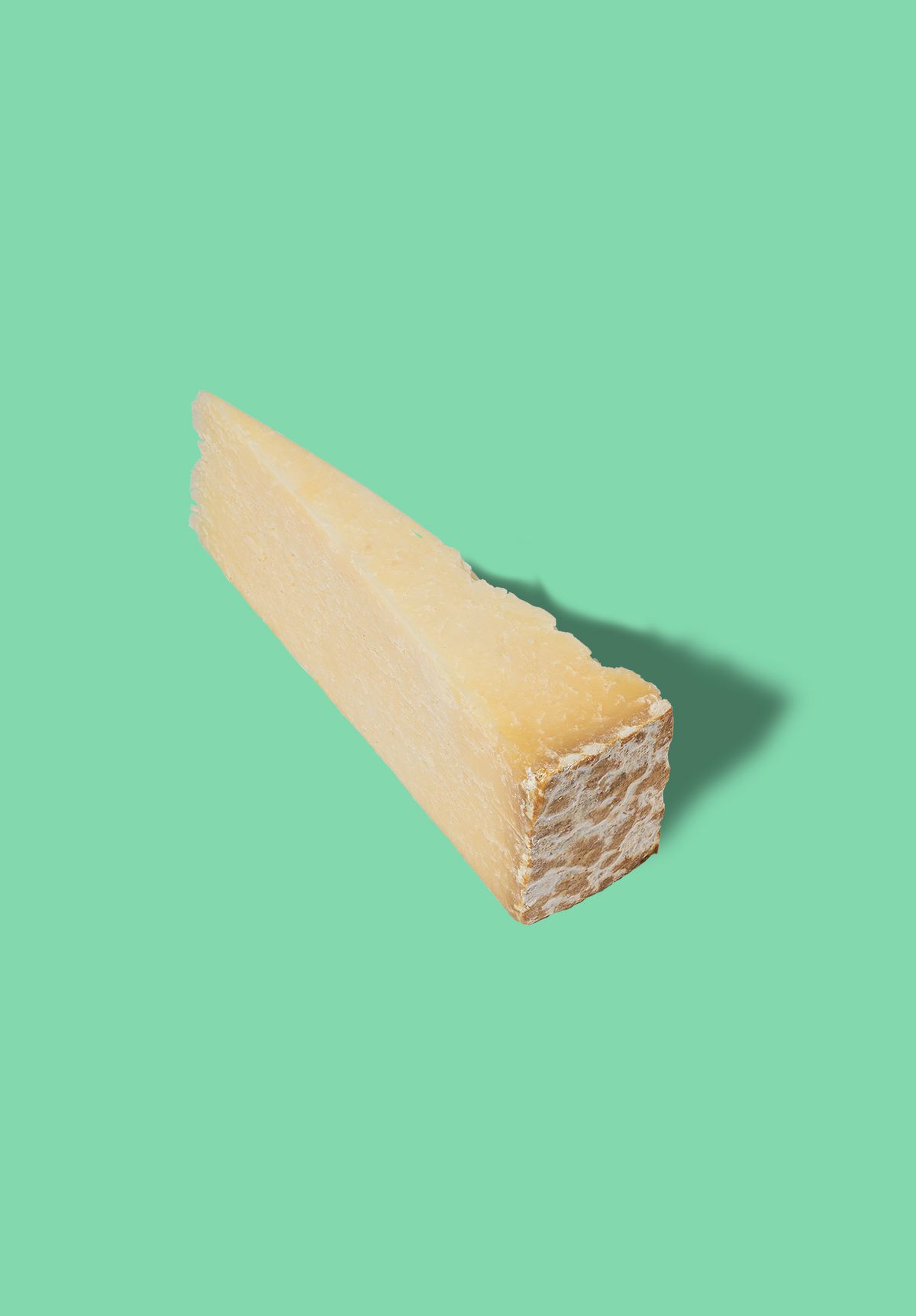
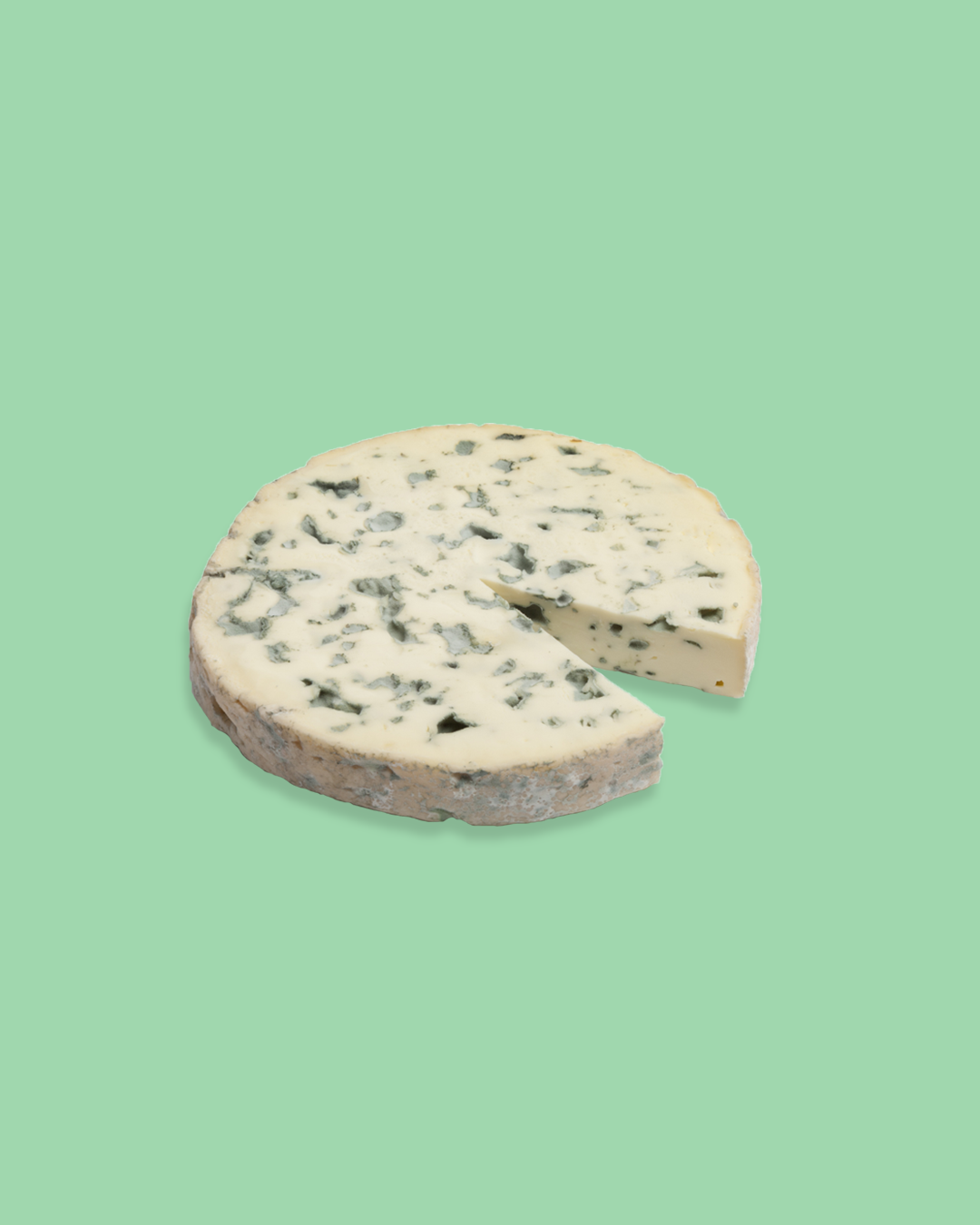
Cantal PDO is one of France’s oldest cheeses, produced in rounds and aged from between 30 days for a young, buttery cheese up to 240 days for intense flavour and crumbly texture. Bleu d’Auvergne PDO is a French blue cheese, made with milk from cows who graze on rich mountain pastures. It has a creamy paste speckled with blue-green mould. Cheese fans should also seek out Fourme d’Ambert PDO, a mild, semi-soft blue made to the same traditional methods since Roman times. Rounding out the famous five is Salers PDO, a seasonal raw cow’s milk cheese made only from April 15th to November 15th each year, using traditional wooden vats called gerle.
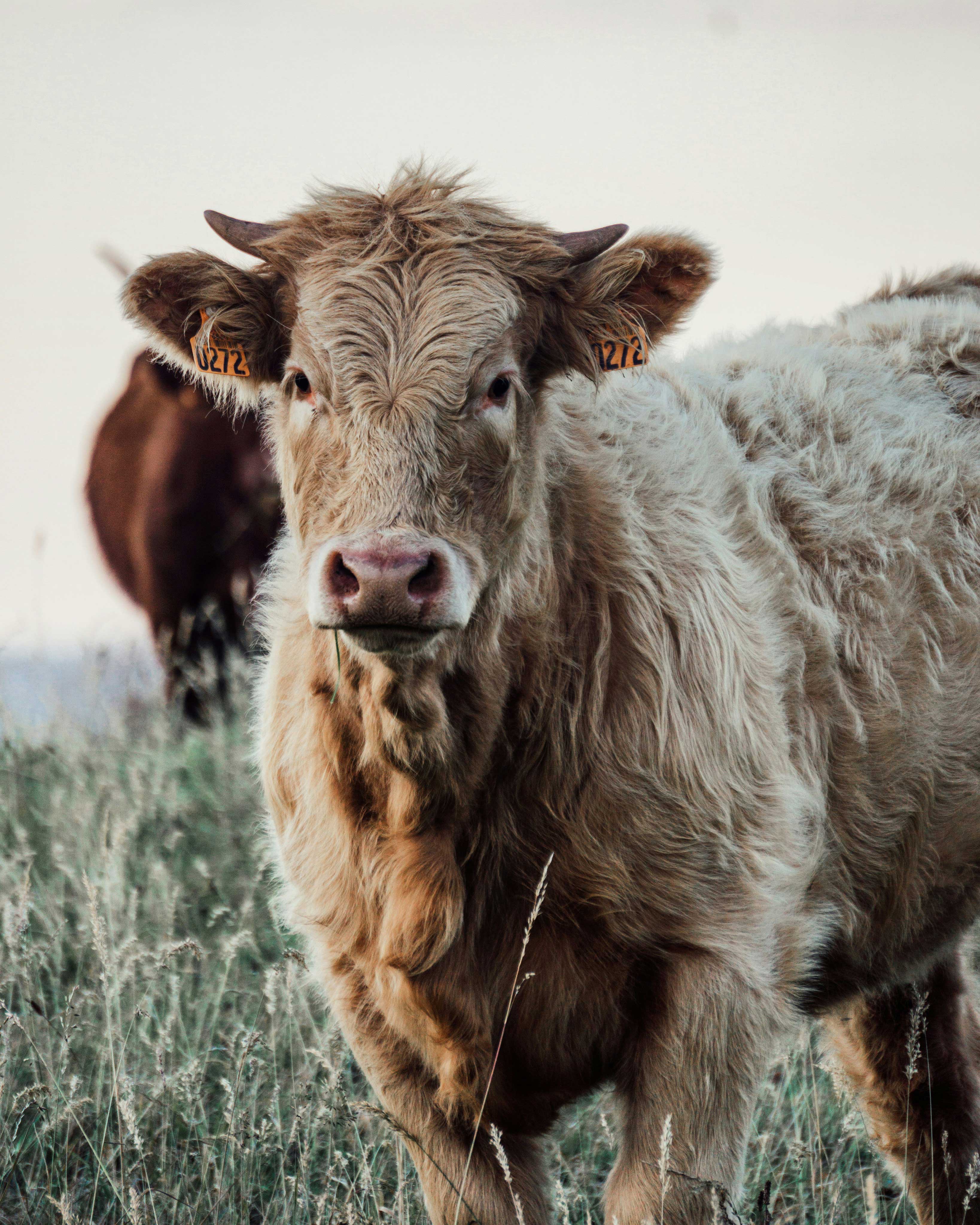
Auvergne also produces excellent beef and pork. Charolais beef from Alliers in northern Auvergne has a rich, grass-fed flavour. Fin Gras du Mézenc beef PDO hails from the Massif Central highlands, produced in an area that straddles the southern borders of Auvergne and the Ardeche. It is prized for its tenderness, marbling and deep flavour. Pork is a mainstay of the region’s cuisine, whether it's in the hearty pork and vegetable stew, Potée Auvergnate, sold as sausages or the dry-cured ham, Jambon d’Auvergne PGI.
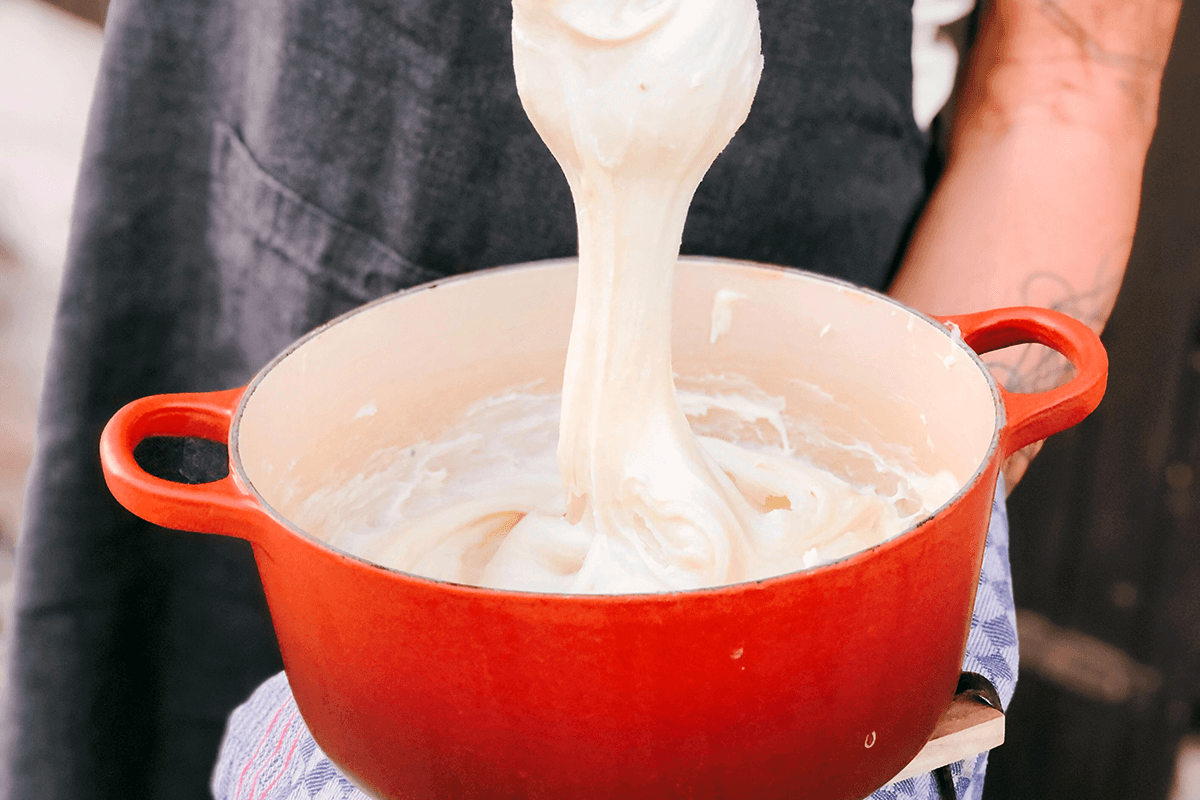
A variety of fruits and vegetables are grown in Auvergne. White apricots are a local speciality. Late summer brings a bounty of blackberries and wild blueberries, followed by apples in early autumn. Potatoes and cabbage form the backbone of traditional Auvergne recipes, including chou farci (stuffed cabbage), truffade (a sliced potato pancake made with tome fraîche, a local curd cheese) and aligot (silky mashed potatoes with cheese).
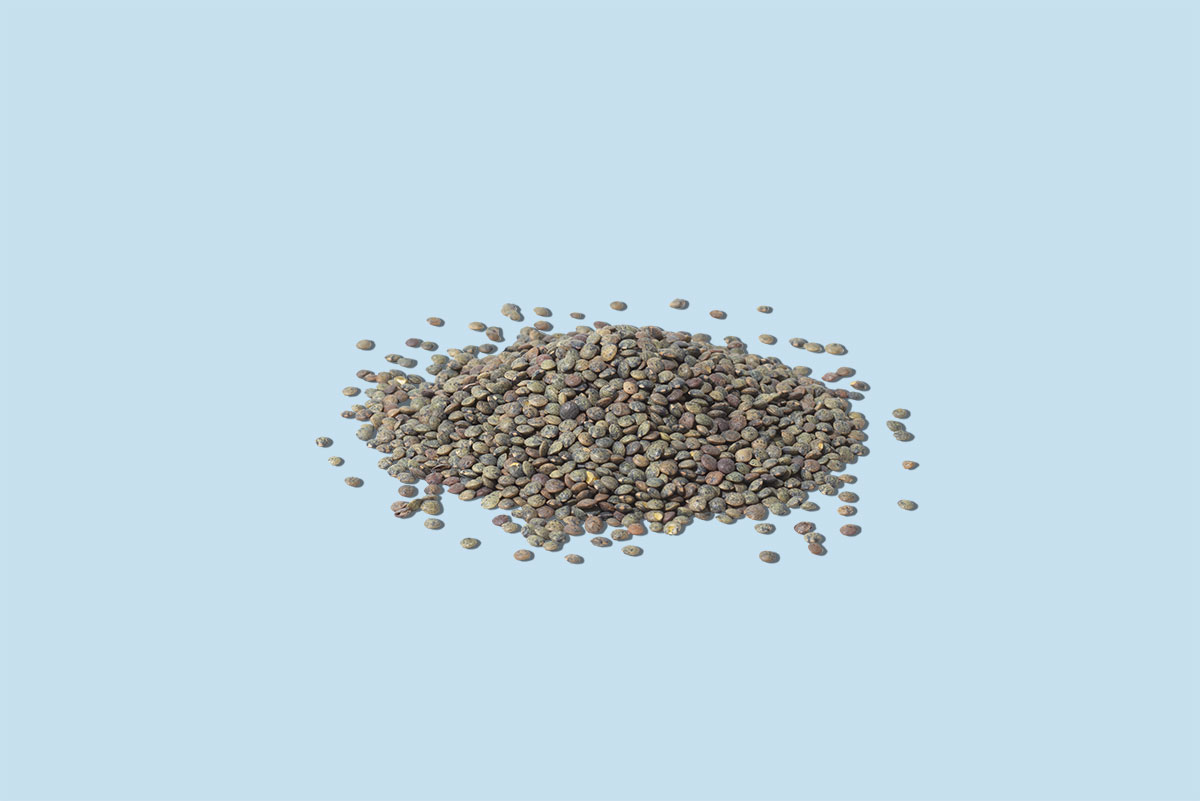
Auvergne’s unique topography has also given the world two distinctive products. Puy Lentils PDO are beloved by chefs and home cooks for their nutty flavour. The little green lentils hail from the sunny high plains and fertile volcanic soils of the Le Puy en-Velay area, where they have been cultivated since Roman times. Try these versatile pulses in petit salé, a hearty pork, lentil and vegetable stew.
Meanwhile, Auvergne’s volcanic regions and bubbling springs are the source of excellent mineral water, including the naturally pure water from the volcanic town of Volvic.
Unmissable Auvergne activities for food lovers
There are many delicious ways to experience Auvergne’s food heritage on a trip to the region. Here are some of our favourites…
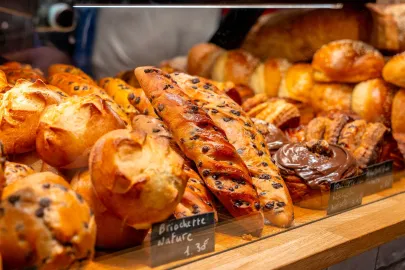
- Tuck into a fresh tome brioche (a sweet brioche made with cheese curds) from a local bakery
- Join a guided foraging walk during the fall and learn how to safely identify wild mushrooms and edible plants
- Follow the Auvergne cheese route through spectacular countryside to visit some of the farms and dairies that produce the region’s celebrated PDO cheeses
- Stay or dine in a converted buron, the small stone shelters in the mountains traditionally used by dairy farmers. Some are now cottages or rustic restaurants.
- Shop for edible souvenirs to take home. Specialities include Auvergne jellies (fruit candies, local mountain and forest honey, boxes of Puy lentils, chestnut liqueur and Côtes d'Auvergne AOC wine.
© Adrien Brun
How to experience Auvergne’s food and drink culture at home
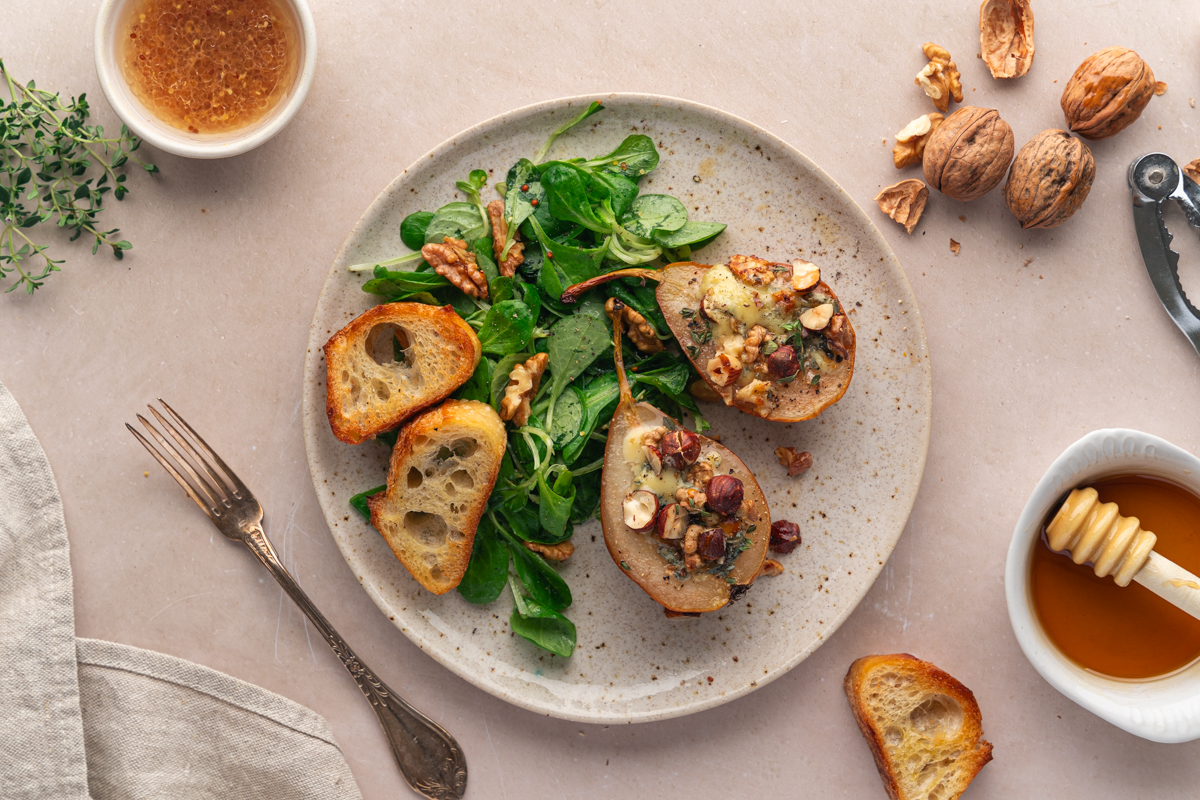
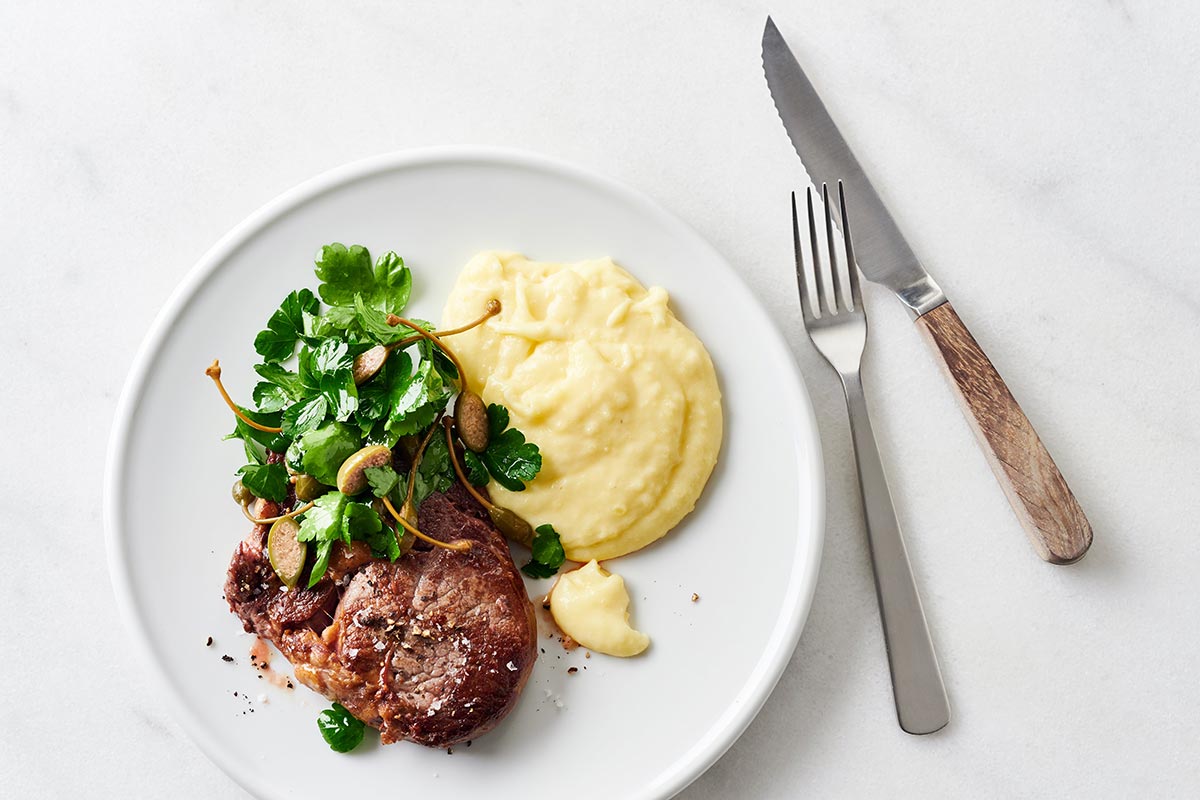
But you don’t have to travel to Auvergne to enjoy a taste of the region. Prepare a rustic feast for family and friends full of the flavours of Auvergne. You’ll need a good appetite for this hearty menu – it’s perfect for a relaxed weekend gathering after a country hike. Begin with a simple starter of roasted pears and walnuts with Blue D’Auvergne cheese and mache salad. For the main course, wow your guests with Fin gras du Mézenc beef served with aligot or truffade on the side.
Dessert fans will love pompe aux pommes, the region’s beloved rectangular apple pie. To finish? A cheese board of course, starring Auvergne’s iconic cheeses and paired with a selection of Côtes d'Auvergne crus wine.
Contributor

Katy Salter
Food and travel journalist
On the same subject
Most popular this week