One of the reasons I love French pastry so much is that, once you understand a few foundational French doughs, an entire world of desserts opens up. And that is where the magic really begins. The three French doughs I come back to again and again are pâte feuilletée, pâte sucrée, and pâte à choux.

Of course, these aren’t the only doughs in French pastry. Pâte sablée, with its tender, sandy texture, and pâte brisée, the classic flaky shortcrust used for both sweet and savory tarts, are also essential. But pâte feuilletée, pâte sucrée, and pâte à choux are the three that show just how much range French pastry can have with its doughs.
Together, they cover an incredible range of classic French pastries - flaky, crisp, buttery, filled, sweet, and savory. With them, you can make everything from palmiers and mille feuille to a whole range of sweet tarts to cream puffs, eclairs, and gougeres!
Let’s dive in and learn more about each and what makes them so special in French pastry.
Pâte Feuilletée
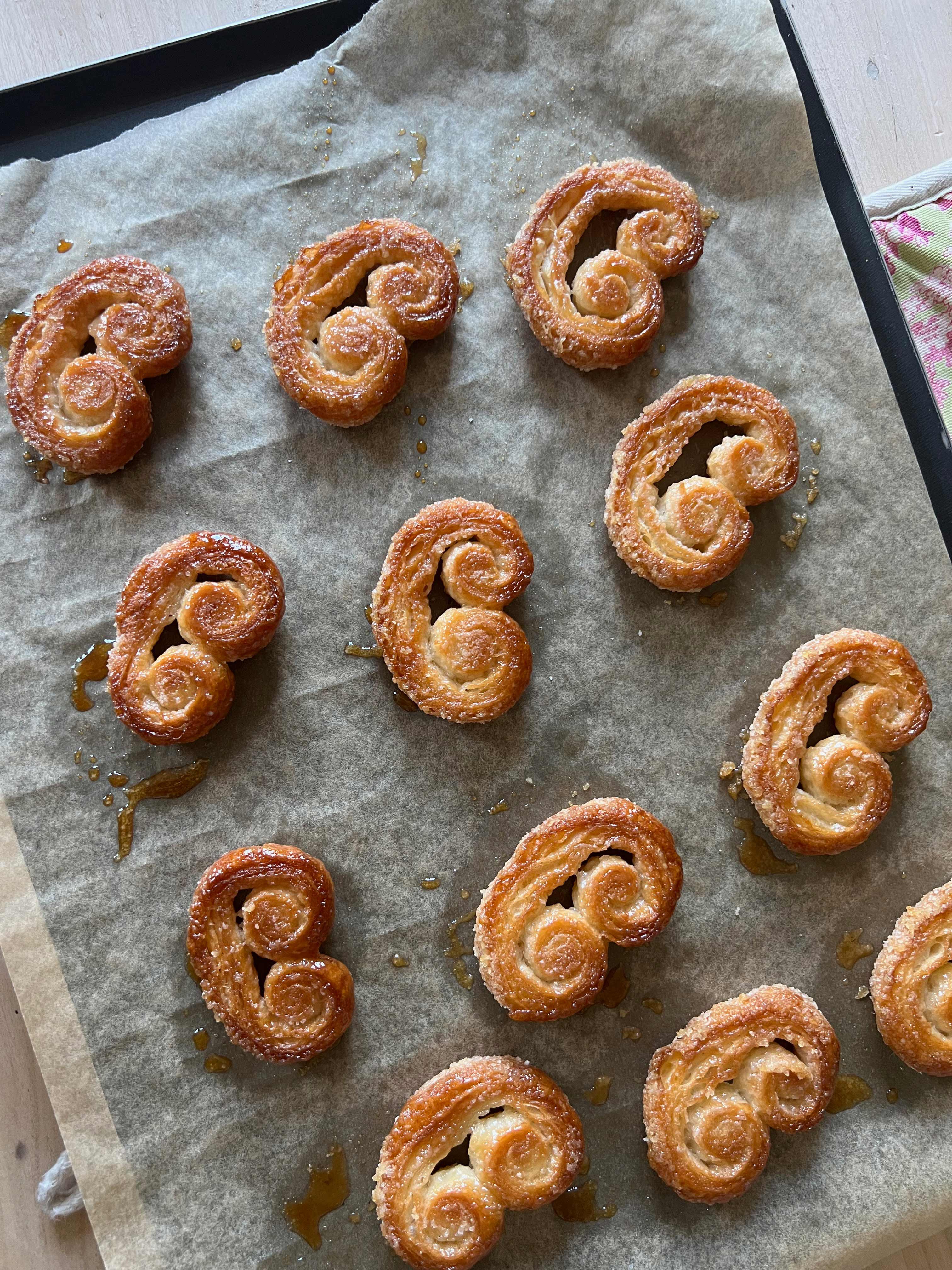
Pâte feuilletée means “leafed” or “layered” dough in French, which makes perfect sense once you see it bake.
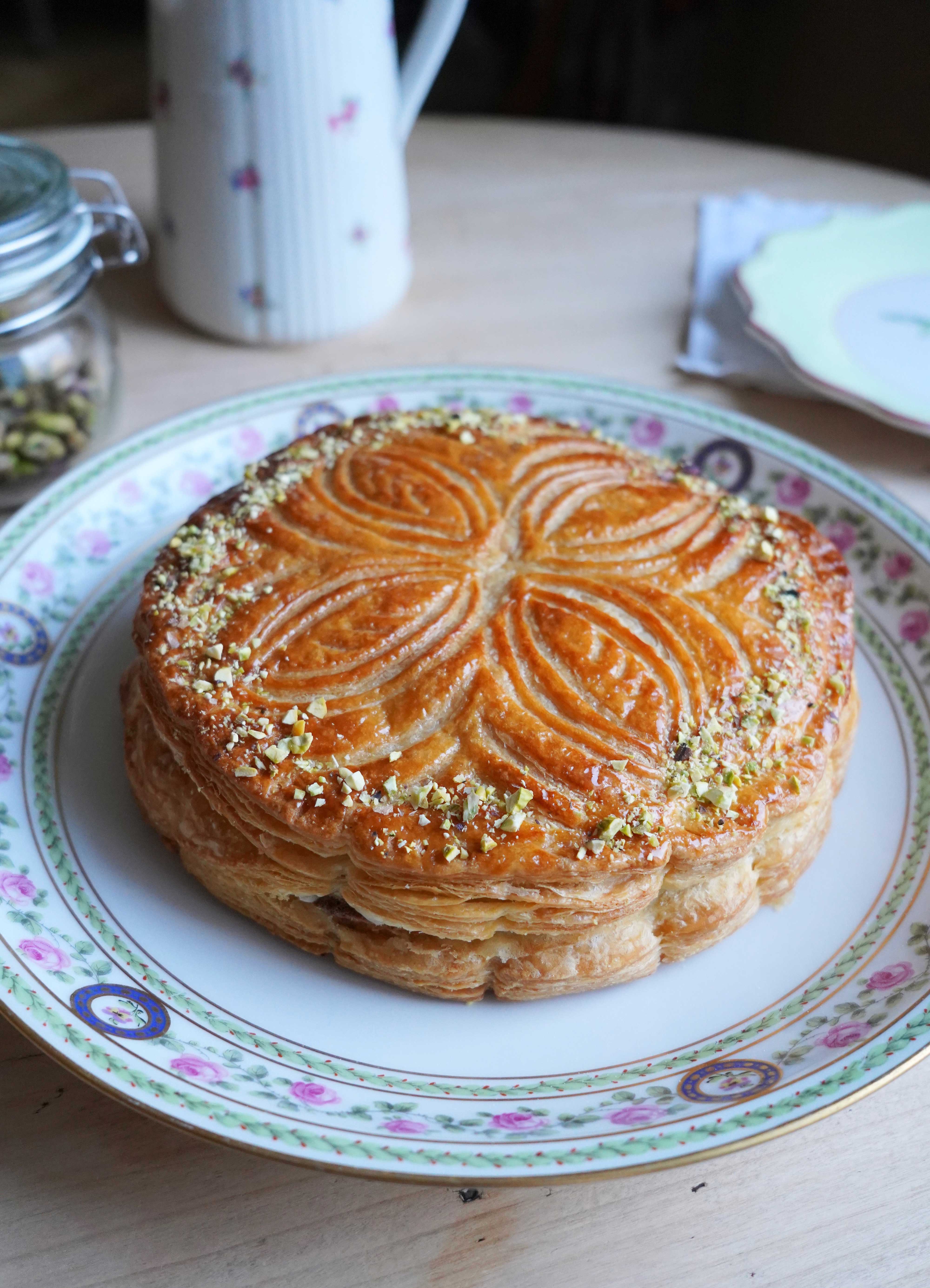
This is the dough behind so many of those flaky, buttery French pastries we all love. Think mille-feuille, palmiers, vol-au-vents, pithiviers, galette des rois, chaussons aux pommes… all those gorgeous pastries that shatter a little when you bite into them.
© Molly Wilkinson
Classic pâte feuilletée is made by wrapping dough around a block of butter, then rolling and folding it several times. Each fold creates more and more alternating layers of dough and butter. When the pastry goes into the oven, the butter melts and releases steam, which pushes the layers of dough apart. That is what creates the beautiful lift and all that crisp, flaky texture.
The key thing to understand is this: the butter needs to stay cold and separate from the dough. If the butter melts into the dough too early, you lose those layers. No layers, no lift!
A traditional pâte feuilletée is made with a 1:1 ratio of flour to butter by weight, with just enough water to bring the dough together. It sounds simple, but it is one of those recipes where technique really matters.
© Molly Wilkinson
And because butter plays such a starring role here, the quality really matters. In pâte feuilletée, butter isn’t just there for richness; it creates the layers, the lift, the flakiness, and so much of the flavor. A good French butter can completely transform the pastry, giving it that unmistakable aroma and depth that makes classic French pastries so special. The extra fat in the butter, while adding to the flavor, also makes it easier to work with as it’s more pliable while staying cold.
There are also more approachable versions, like rough puff pastry, where grated or cubed butter is worked into the dough before folding. It is less precise than classic puff pastry, but still gives you that delicious buttery flakiness - and honestly, it is a wonderful place to start and my favorite way of making this dough.
Pâte Sucrée
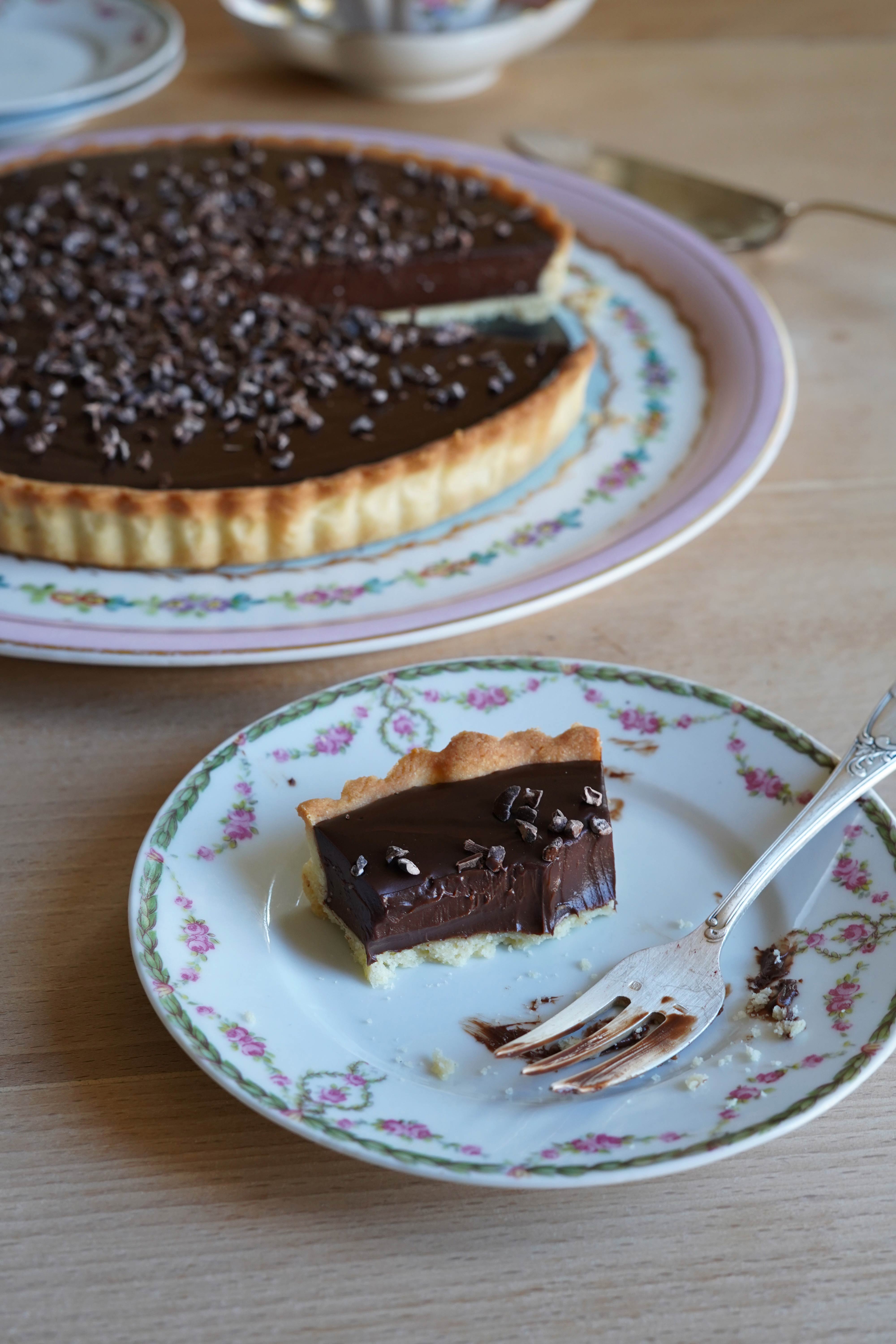
Pâte sucrée is my favorite tart crust recipe. It is sweet, crisp, buttery, and delicate in the best possible way. This is the dough I reach for when making classic French tarts - chocolate ganache tart, lemon tart, fruit tart, pastry cream tart, or really anything that needs a beautiful crisp base.
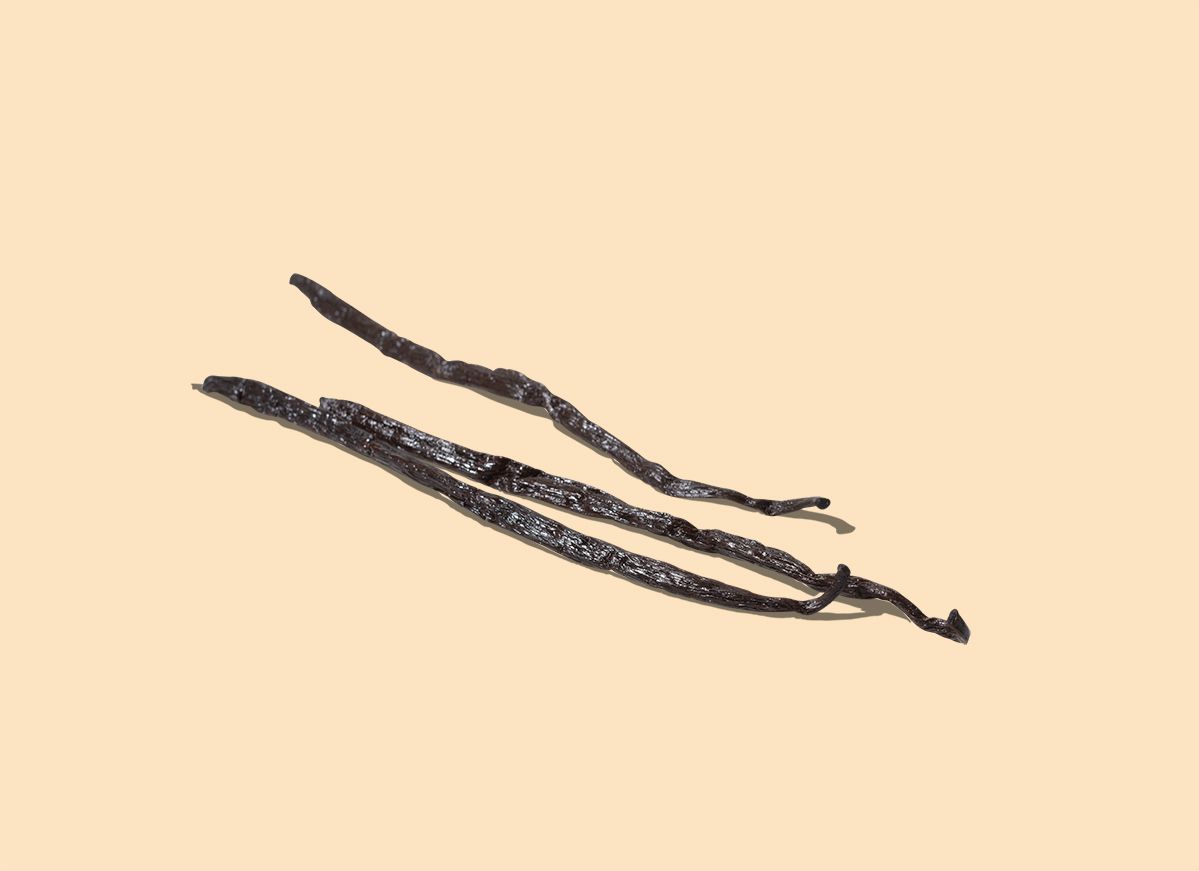
What makes pâte sucrée so special is that it is more than just flour, butter, and sugar. Instead it includes almond flour, powdered sugar (instead of granulated), and vanilla.
The almond flour gives the dough a gorgeous depth of flavor. It is subtle, but it adds this lovely roundness that makes the crust taste more elegant. The powdered sugar helps create that melt-in-your-mouth texture while still keeping the crust crisp. And the vanilla? Always delicious when added!
The beauty of pâte sucrée is the contrast it brings to creamy fillings. A silky chocolate ganache, a bright lemon curd, or a smooth pastry cream all need something crisp and buttery underneath them. That contrast is what makes a tart feel complete.
And once you know how to make pâte sucrée, you can use it for more than tarts. You can turn it into little cookies, tartlets, or even something like lunettes de Romans, those sweet French sandwich cookies filled with jam.
It is one of those doughs that feels simple, but once you make it well, it becomes endlessly useful.
© Molly Wilkinson
Other options in this same family of doughs, perfect for both sweet and savory bakes like tarts and quiche, are pâte sablée and pâte brisée. Pâte sablée is similar to pâte sucrée, but is typically made without the almond flour and powdered sugar, while pâte brisée is the French version of a classic pie crust. When I’m looking for a more neutral base or a little extra flakiness, these are the two I reach for.
Pâte à Choux
Pâte à choux is probably the most fun of the three because it is just so different from other doughs.
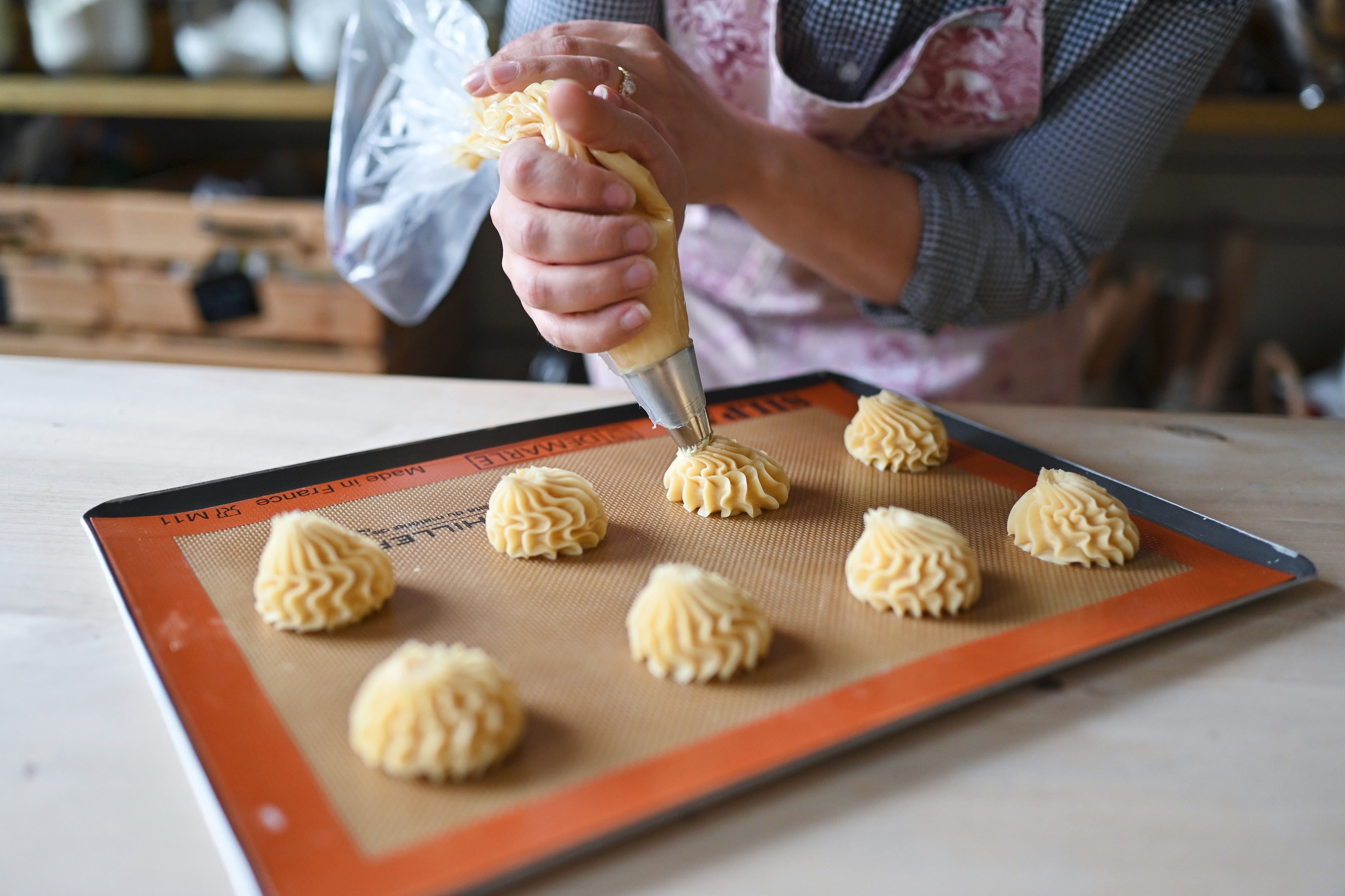
It is made in a pot on the stove, which already makes it unusual. You cook water or milk with butter, then add flour and stir until the dough comes together. After that, eggs are mixed in to create a smooth, shiny dough that can be piped into all kinds of shapes.
© Molly Wilkinson
When it bakes, pâte à choux puffs up and becomes hollow inside, making it perfect for filling. This is the dough behind cream puffs, éclairs, religieuses, Paris-Brest, profiteroles, and so many other French classics.
It is also used for savory pastries. Add your favorite French cheese like Comté or Gruyère, and you have gougères, which are dangerously delicious. Truly, if you have not had warm cheese gougères straight from the oven, please add that to your list.
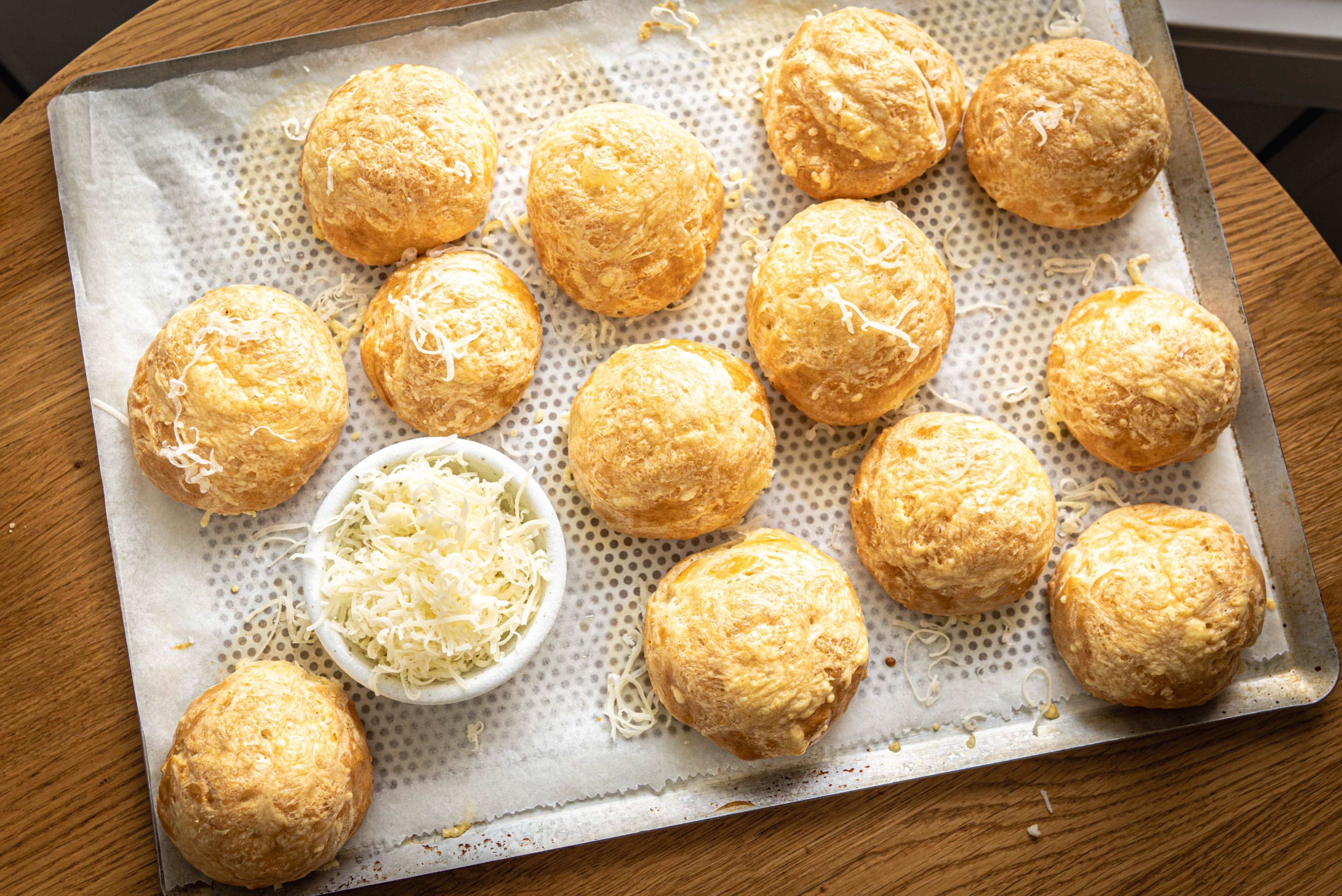
The most important thing to remember with pâte à choux is that it needs to bake long enough. Because the inside is hollow, it can collapse if the oven door is opened too soon or if the pastry is underbaked. You want it deeply golden, crisp on the outside, and dry enough to hold its shape.
The French Ingredients That Make All the Difference
What I also love about these doughs is that they highlight the beauty of simple French ingredients. Flour and butter may sound basic, but in French pastry, they do so much of the heavy lifting. The butter brings flavor, richness, and that gorgeous aroma, while the flour gives structure, strength, and balance to the dough. And they’re both significant parts of the doughs themselves.
That connection to French agriculture is part of what makes these recipes feel so rooted in place. France is the European Union’s leading producer and exporter of soft wheat, with an average annual production of around 35 million tonnes. French mills also produce around 4 million tonnes of soft wheat flour each year - the very ingredient that becomes tart crusts, choux buns, puff pastry layers, and so many other classics.
The Magic of Mastering the Basics
What I love about these three doughs is that they open the door to so much.
With pâte feuilletée, you can make flaky, buttery pastries. With pâte sucrée, you can create gorgeous tarts and cookies. With pâte à choux, you can pipe, fill, and transform one dough into both sweet and savory classics.
That is the beauty of French pastry. It may look complicated, but underneath all those stunning desserts are a few essential techniques, excellent ingredients, and a little patience.
Master these three doughs, and suddenly French pastry feels a whole lot more possible - and a lot more fun.
Contributor
Molly Wilkinson
Pastry chef
On the same subject

Most popular this week