The story of French cuisine is often a story of artistry, mastery, and technical precision. But many classic French dishes derive not from grand chefs, but from happy kitchen accidents. Here are 6 tales of classic French foods created totally by accident.

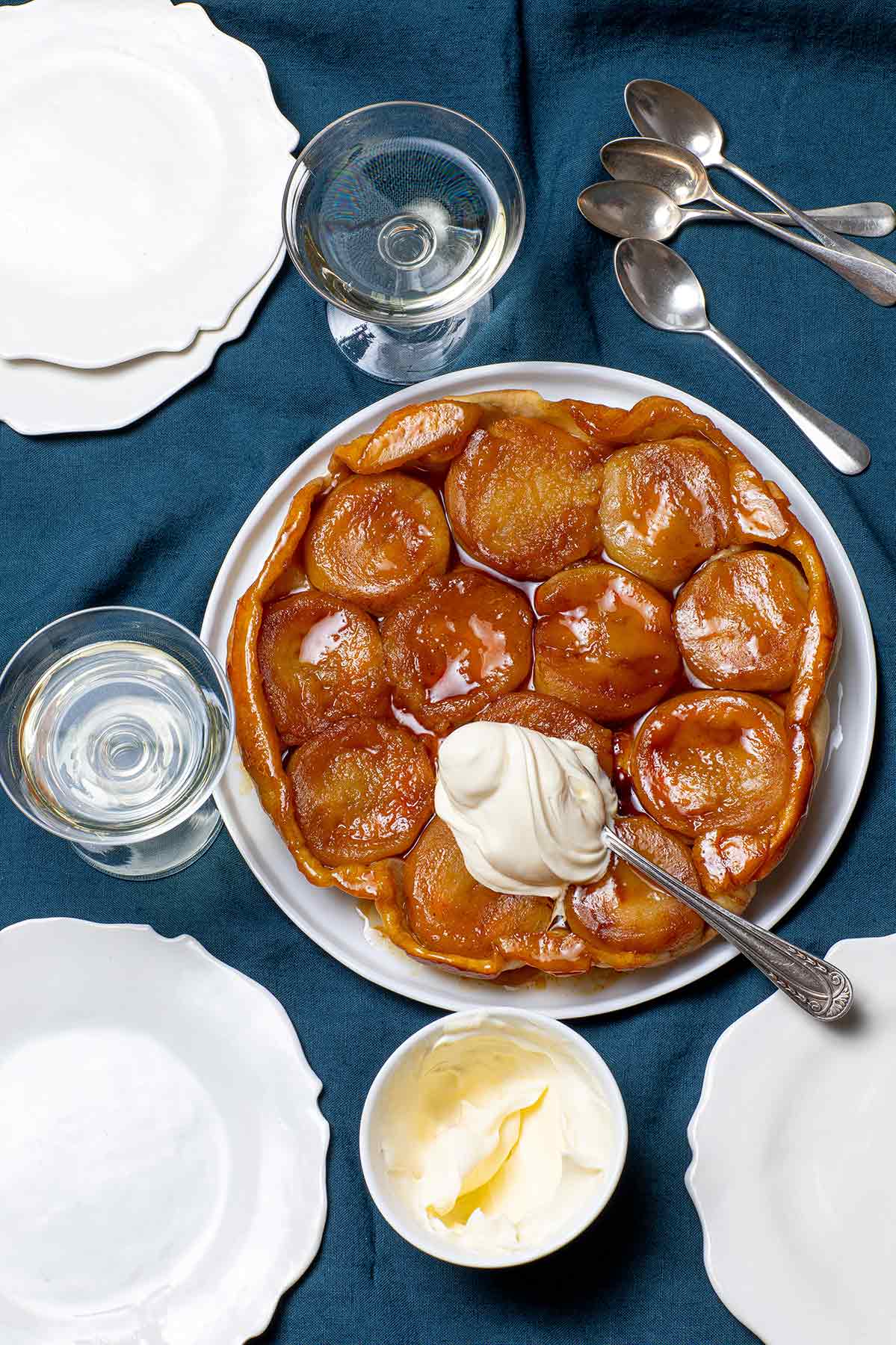
Tarte Tatin
One busy morning sometime in the 1880s, Caroline Tatin was hard at work in the kitchen of the roadside inn and restaurant she ran with her sister Stephanie. Then, she made a mistake many of us have made before- she absentmindedly walked away from a pan of apples, butter, and sugar reducing on the stove. The smell of burning sugar drew her back to the pan. In an attempt to salvage the dish, she threw a round of pie dough right on top and stuck the whole thing to finish in the oven.
Her quick improvisation turned fateful. She flipped out the upside-down pie and served it to the inn’s quests, were charmed by the results. The famed Tarte Tatin was born.
What began as a mistake is now a time-honoured technique, and you’ll find as many variations as there are seasonal fruits to bake with. Savoury tarte tatin is popular too, with versions made from shallots, leeks, and endives.
Champagne
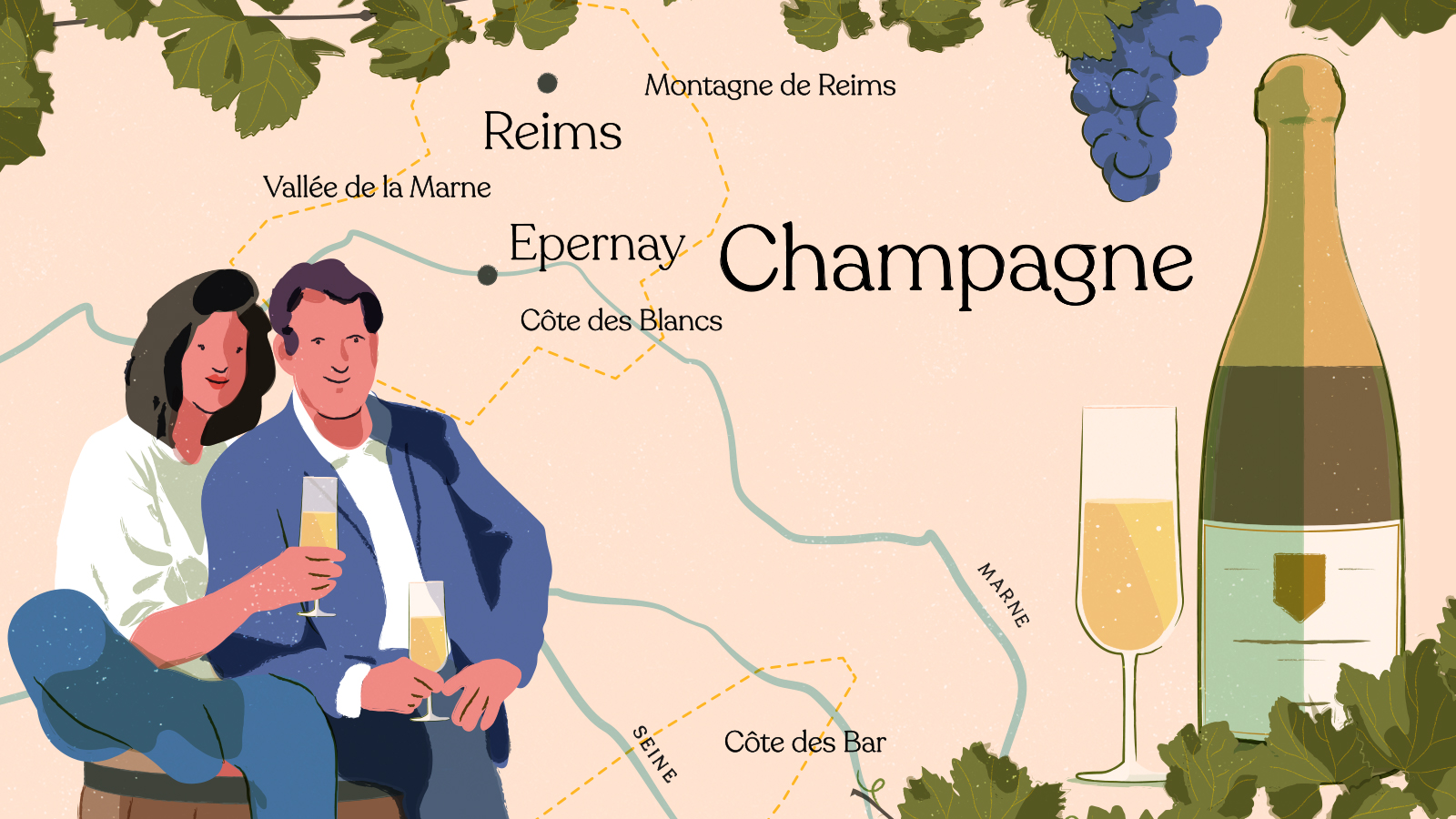
The exquisite bubbles that rise to the top of your champagne flute were not always a delicacy. On the contrary, they were considered a workplace hazard, the work of the devil, and an unacceptable mistake.
It took years of development to turn that mistake into one of the most famous French exports of all.
In the 17th century, wines containing bubbles were considered faulty. Once in the bottle, poorly selected grapes would undergo a second fermentation that produced carbon dioxide under pressure. At best this would produce an unappealing, volatile wine. At worst, the carbon dioxide would build so much force in the bottle as to explode and endanger the stocks of entire wine caves, and the health and safety of their winemakers, too.
Through improved science, glass technology, and winemaking practices, producers like the Benedictine friar Dom Perignon and the chemist Christopher Merret helped harness this unforgivable winemaking mistake into a brand new form of wine. Today, accident of wine fermenting in the bottle has been transformed into the methode traditionelle champenoise, in which a controlled bottle fermentation gives the shape, subtlety and effervescence that makes Champagne wine one of France’s most famous culinary exports.
Kouign Amann
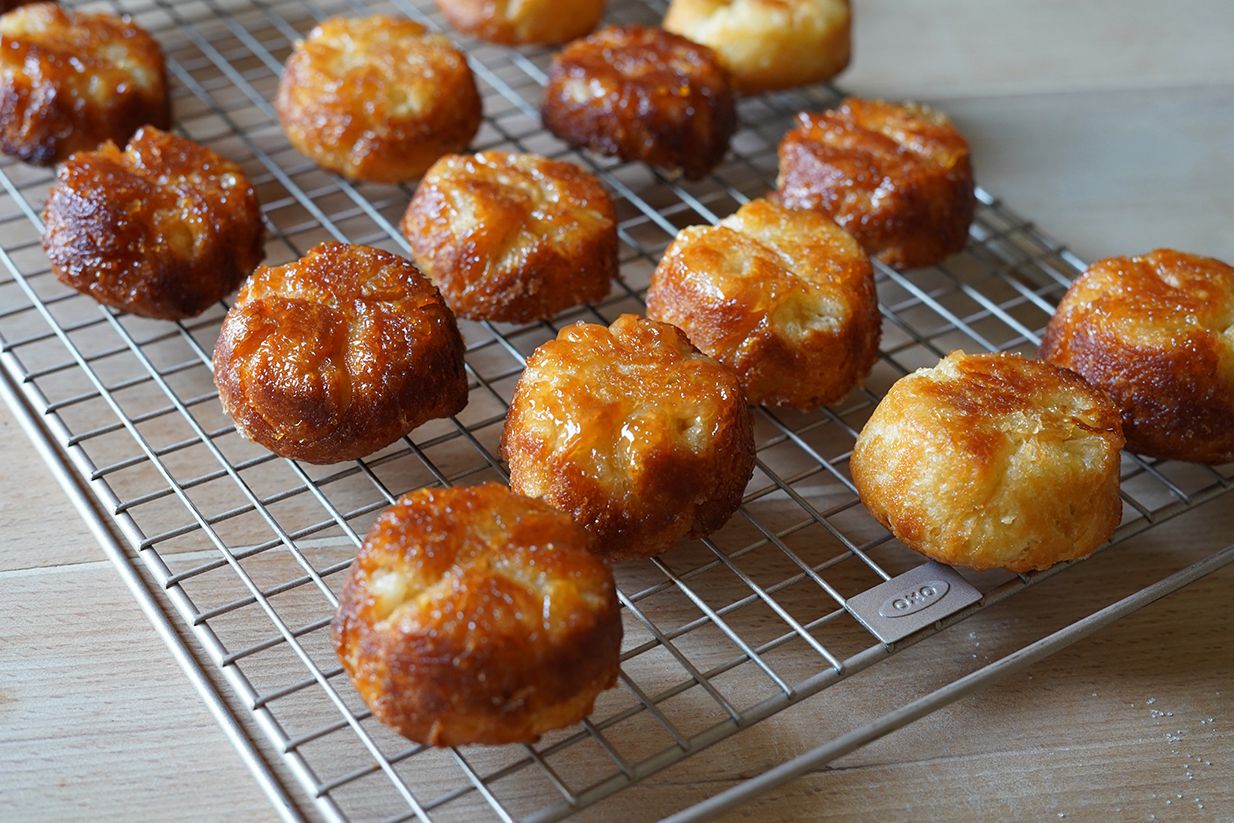
Kouign Amann, as difficult to pronounce as it is delicious, is a specialty of Brittany originating in the quaint fishing town of Duarnenez sometime in the 1880s. The legend has it that a baker, running short on flour and with too few offerings in his pastry display, added a copious amount of local Breton butter to his scarce bread dough, dusted it with sugar, folded it up, and baked it off to create an improvised cake. Appreciated by his customers, and with no shortage of excellent local Breton butter at his disposal, the “butter cake” became a regular offering. Today, the fame of Kouign Amann stretches across the globe, particularly well known in Japanese and North American bakeries.
Kouign Amann means simply “butter cake” in the Breton language, and the modern recipe doesn’t stray far from its accidental origins. Usually made in a cake round and served by the slice like a pizza, the dough features a ratio of 40 percent bread dough, 30 percent butter, and 30 percent sugar. Decadent? Maybe... Delicious? Always.
Sauce Bearnaise
One of the most versatile and fun classic French sauces is the Sauce Bearnaise, a creamy emulsion of butter, egg yolks, white wine, shallots, and tarragon. (Author’s pro tip: try dipping your french fries in it.)
Like the Tarte Tatin, the origin story of Sauce Bearnaise features another absent-minded chef. In 1837, Jean-Francois Collinet, the head chef of the Pavillon Henri IV in Paris, let a reduction of white wine and shallots linger too long on the stove. To save his work, he whipped the concentrated reduction into an emulsion of egg yolks, and sprinkled aromatic tarragon into the unctuous yellow sauce. Served alongside the day’s featured meat dish, restaurant patrons demanded to know its name. Collinet chose the name Bearnaise to reflect the birthplace of the restaurant’s namesake, King Henri IV, a 16th century king born in Bearn.
The writer Alexandre Dumas was a friend of Collinet and regular of his restaurant, and commemorated Collinet’s creation of Sauce Bearnaise in an 1867 novel. Bearnaise’s popularity is as strong today as its debut in the 19th century, commonly accompanying a variety of meats and vegetables like skirt steak, asparagus, or even hasselback potatoes.

Tourteau Fromager
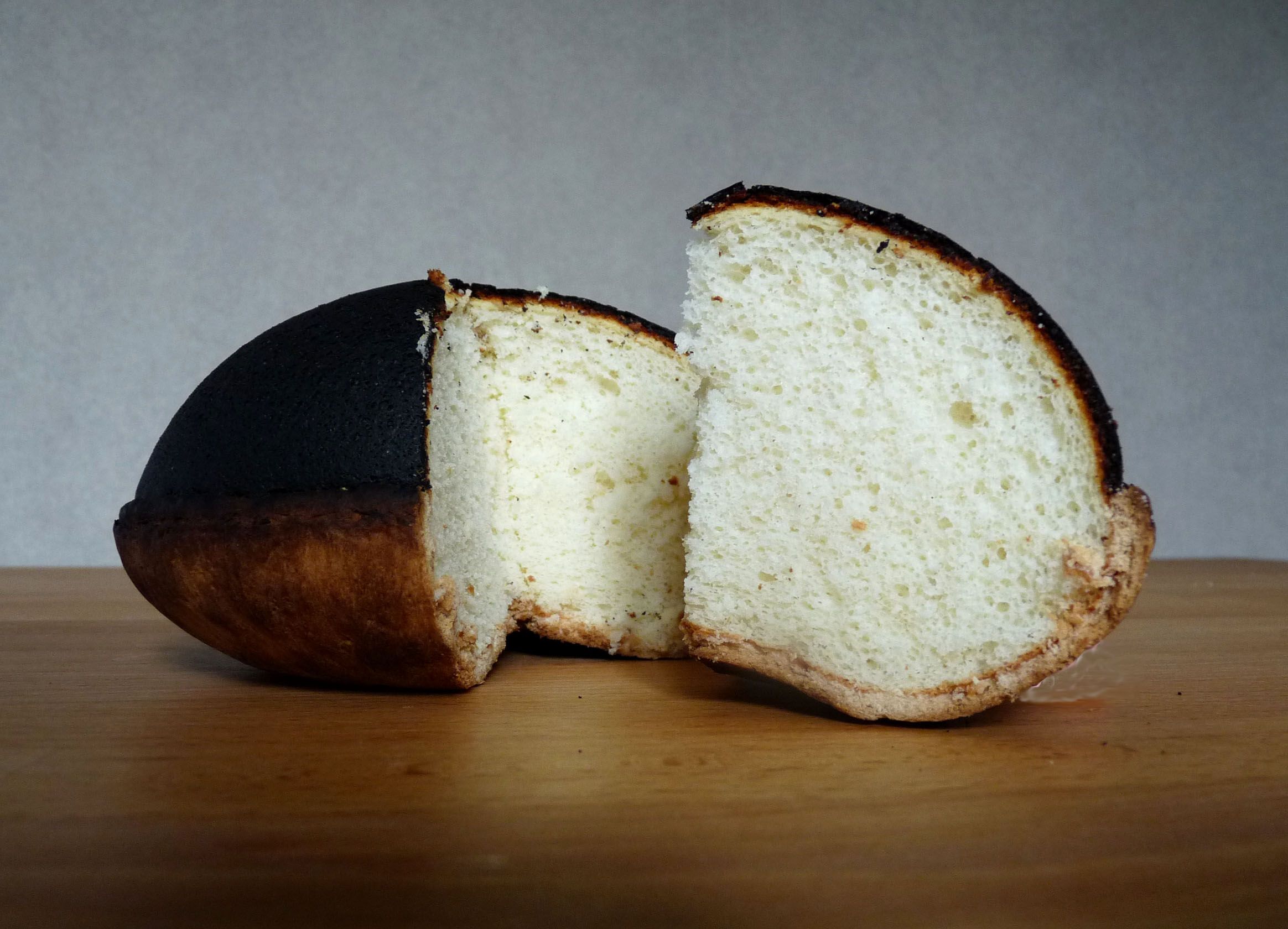
With its dramatic blackened exterior, tourteau fromager is the dish on the list that most looks like it was created by accident. But the burnt crust of this old regional favorite hides a sweet story inside.
The tourteau fromager has been a staple of home kitchens in the Poitou region as early as the 16th century. In a region with many goats and an abundance of goat milk, simple goat cheese cakes were commonly baked in a clay pot nestled in a smouldering hearth. As the legend goes, one such goatherd left the batter too long over too-hot coals, causing the cake to spring up in a pronounced oval shape and burn to a thick black crust on the pan side. The cook served the dessert anyway. Peeling back the black crust, those gathered around the table were surprised to find an airy, delicately textured crumb preserved by the burnt exterior.
The recipe hasn’t changed much in the last few centuries, and many tourteau fromager lovers will contend that the cake simply can’t be recreated without the black, burned exterior- the original accident of its discovery. And in case you were wondering: yes, you always eat the burnt crust, too.
© Ji Elle
Crepes Suzette
Accidental origin stories have their fair share of absentminded cooks. This one comes from the autobiography of a self-described absent-minded waiter.
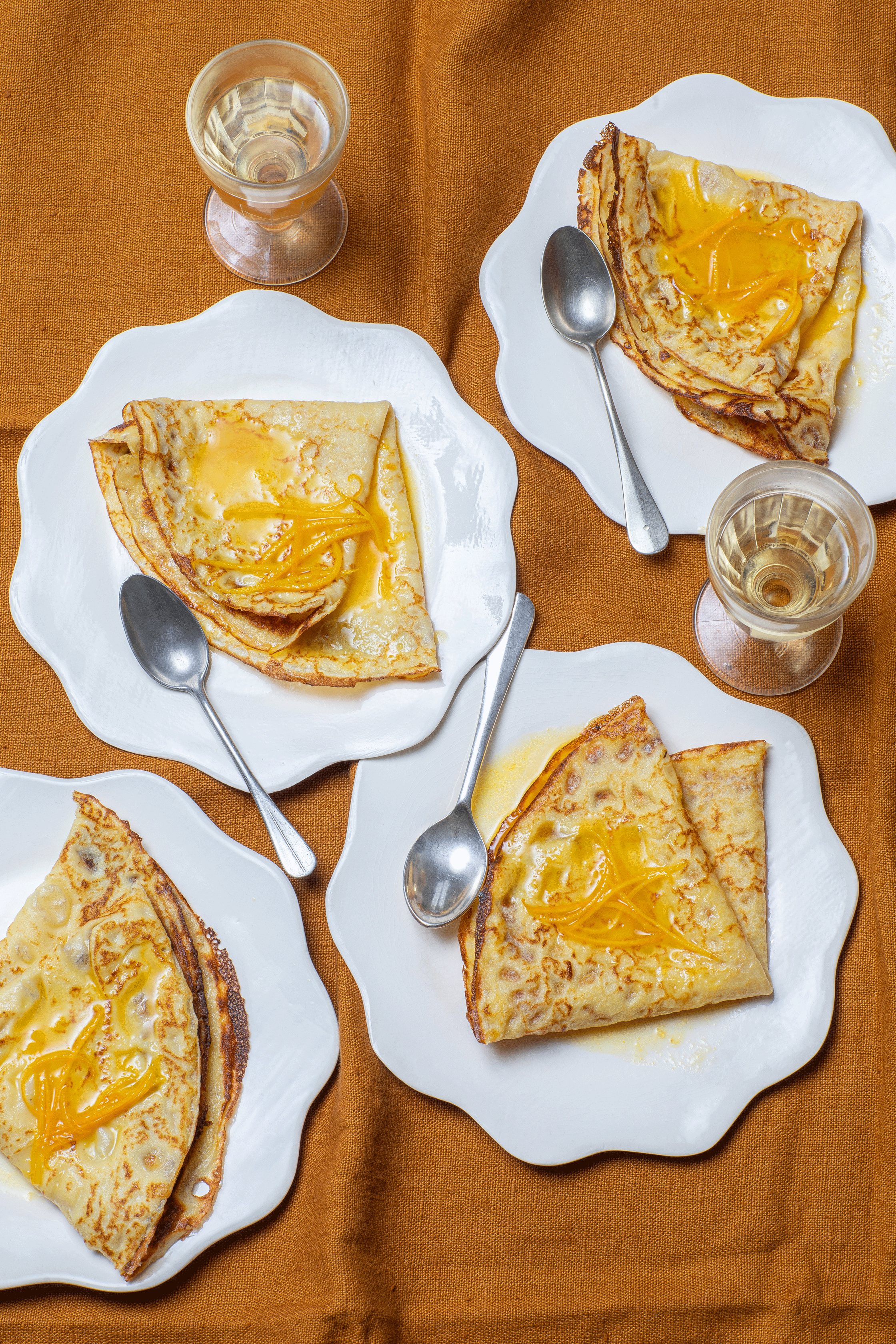
While the origins of Crepe Suzette remain disputed, the most colorful account comes from the waiter Henri Charpentier, who wrote a popular memoir in 1937 profiling his glamorous life working in fine restaurants. Charpentier describes preparing a tableside dessert of crepes for the future King Edward VII of England at a glitzy Monte Carlo hotel when the cognac in the dish suddenly caught fire. He initially thought the dish was ruined, but after tasting it, found the flavours improved by the flambeed alcohol. He served it anyway and the future King and his entourage were immensely pleased by the novel creation.
With insistence from the prince, they spontaneously named the dish after one of his dining partners, a young woman named Suzette. With characteristic panache, Charpentier wrote in his memoir, “Thus was born and baptized this confection, one taste of which, I really believe, would reform a cannibal into a civilized gentleman.”
Some of these origin stories are carefully documented, others are tales told and retold over generations. Whether fact or legend, these iconic accidents serve to remind us that everything good doesn’t always come from perfection. Mistakes, improvisations, and serendipitous encounters shape French food culture, too.
Contributor
Christian Letourneau
Cook & writer
Tags
On the same subject

Most popular this week