10 French Food Products You Should Taste at Least Once in Your Life – Beyond Camembert and Croissant
Think you know French food? Discover 10 French food products you should taste at least once, from famous regional specialities to delicious surprises you may not have heard of yet.

When it comes to French food, a few products tend to steal the spotlight: baguette, camembert, croissants and, of course, champagne. But French gastronomy is much more than these iconic favourites. Across the country, generations of producers have developed distinctive food products that reflect the landscapes, traditions and savoir-faire of their regions. From a giant wheel of Brie de Meaux to tiny kiwi berries, here are 10 French food specialties worth tasting at least once in your life.
Brie de Meaux: the King of Cheeses
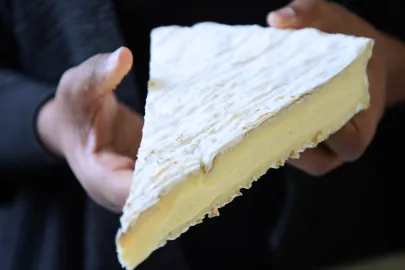
You all know Brie… but have you tried Brie de Meaux PDO? One of the first things you notice is its impressive size: a traditional wheel measures around 36 cm in diameter, making it quite a different sight from the smaller Brie formats commonly found in supermarkets. Made from raw cow’s milk, Brie de Meaux has a soft, bloomy rind and a creamy, buttery paste, with delicate flavours of cream, butter and hazelnut that become more pronounced as it matures. The cheese even has its own confrérie (gastronomic brotherhood), dedicated to celebrating its heritage. So next time you visit your cheesemonger, why not ask if they have Brie de Meaux in stock – and, if it’s around Christmas, whether they have Brie à la truffe too?

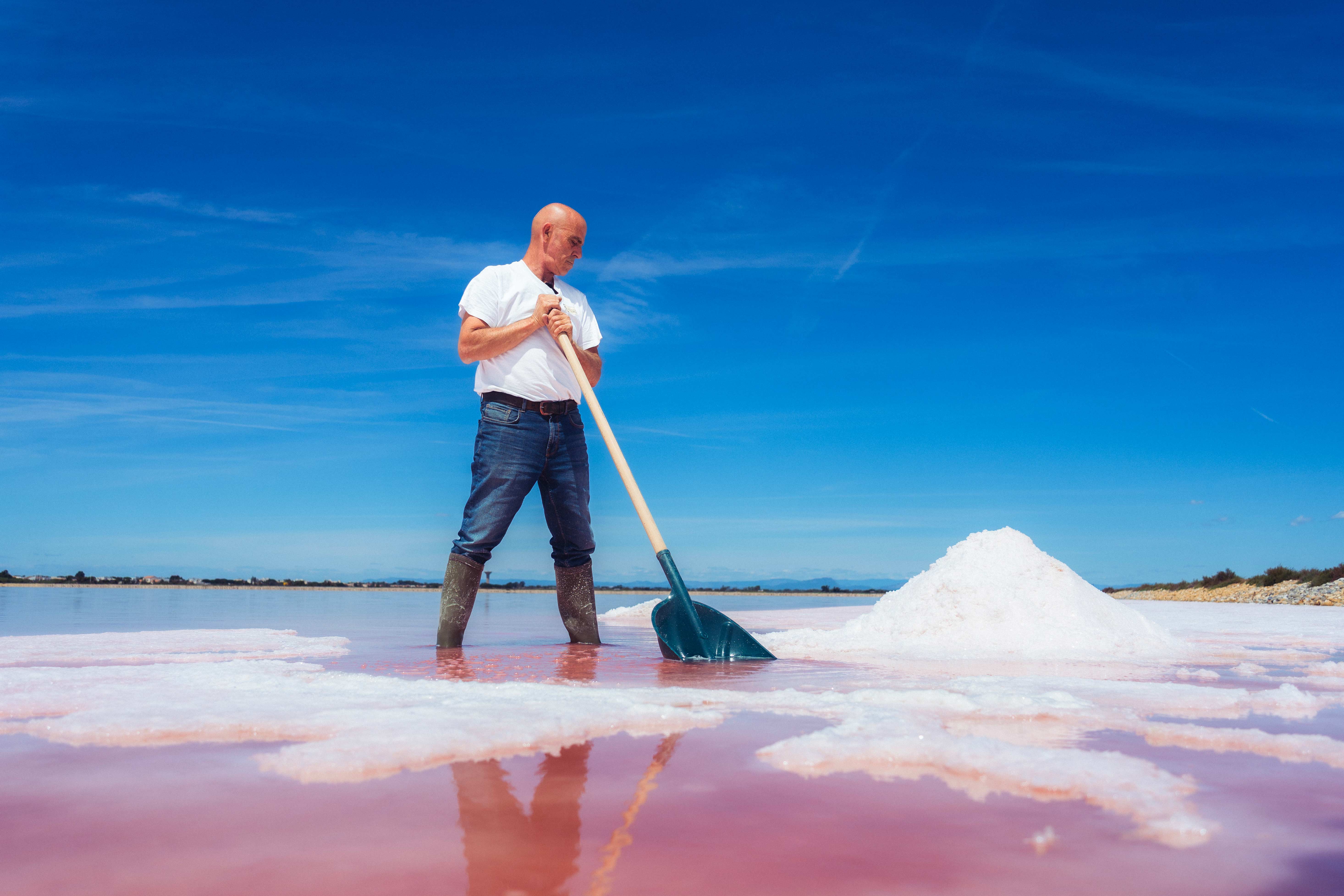
Fleur de Sel de Camargue: delicate salt crystals from southern France
Harvested by hand from the beautiful salt marshes around Aigues-Mortes, Fleur de Sel de Camargue is made up of delicate white crystals that form naturally on the surface of the salt ponds during hot summer days. This IGP-protected speciality is prized for its fine texture and subtle flavour, making it particularly well suited to finishing dishes rather than simply seasoning them during cooking. Sprinkle a little over grilled vegetables, fish, a tomato salad, roasted meat or even chocolate desserts or cookies just before serving to add a subtle salty crunch and bring the other flavours into focus. Délicieux !
Piment d’Espelette: France’s Basque pepper with a kick
The secret spice that French cooks love to reach for? Piment d’Espelette PDO, grown in the French Basque Country. Its warm, fruity flavour and moderate heat make it incredibly versatile in the kitchen: sprinkle the powder over eggs, fish, vegetables or roasted potatoes, stir it into sauces and marinades, or use it to give a little personality to homemade flavoured butter. And if you like the sweet-and-spicy combination, try it in a chocolate dessert such as an Espelette pepper and cacao cream – a surprisingly delicious pairing.

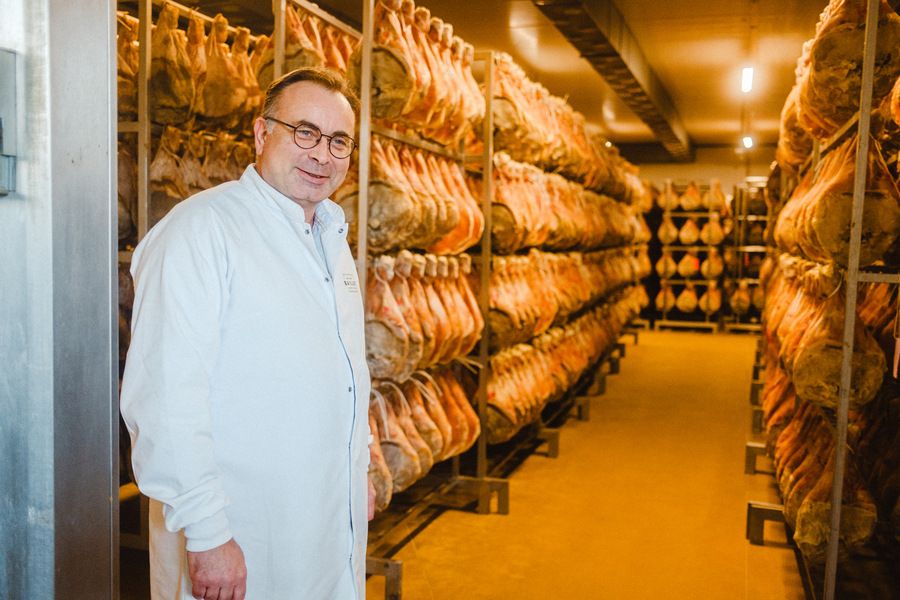
Jambon de Bayonne: a French classic for everyday cooking
Made in southwest France, Jambon de Bayonne is a PGI-protected dry-cured ham with a delicate, slightly salty flavour and tender texture – and one of those French ingredients that is incredibly easy to work into everyday meals. Use it in a simple spring tartine with fresh goat cheese, layer it into a baguette sandwich, add it to a comforting hasselback potato gratin or serve it as part of a convivial raclette gathering. Thinly sliced, it also has a natural place on a French charcuterie board alongside other cured meats and a good loaf of bread.
Charentes-Poitou Butter PDO: the secret behind great French pastry
You may well have tried French butter already, but Charentes-Poitou Butter PDO is one to look out for. Produced along France’s Atlantic coast, this butter is made from cow’s milk cream that undergoes slow biological maturation, giving it a fine, creamy texture and subtle fresh-cream and hazelnut notes. It is particularly prized by pastry chefs for its texture and workability – ideal for making classics such as croissants and kouign-amann. And, of course, it is just as good spread generously on a slice of fresh bread for a French-style breakfast or an authentic French goûter.

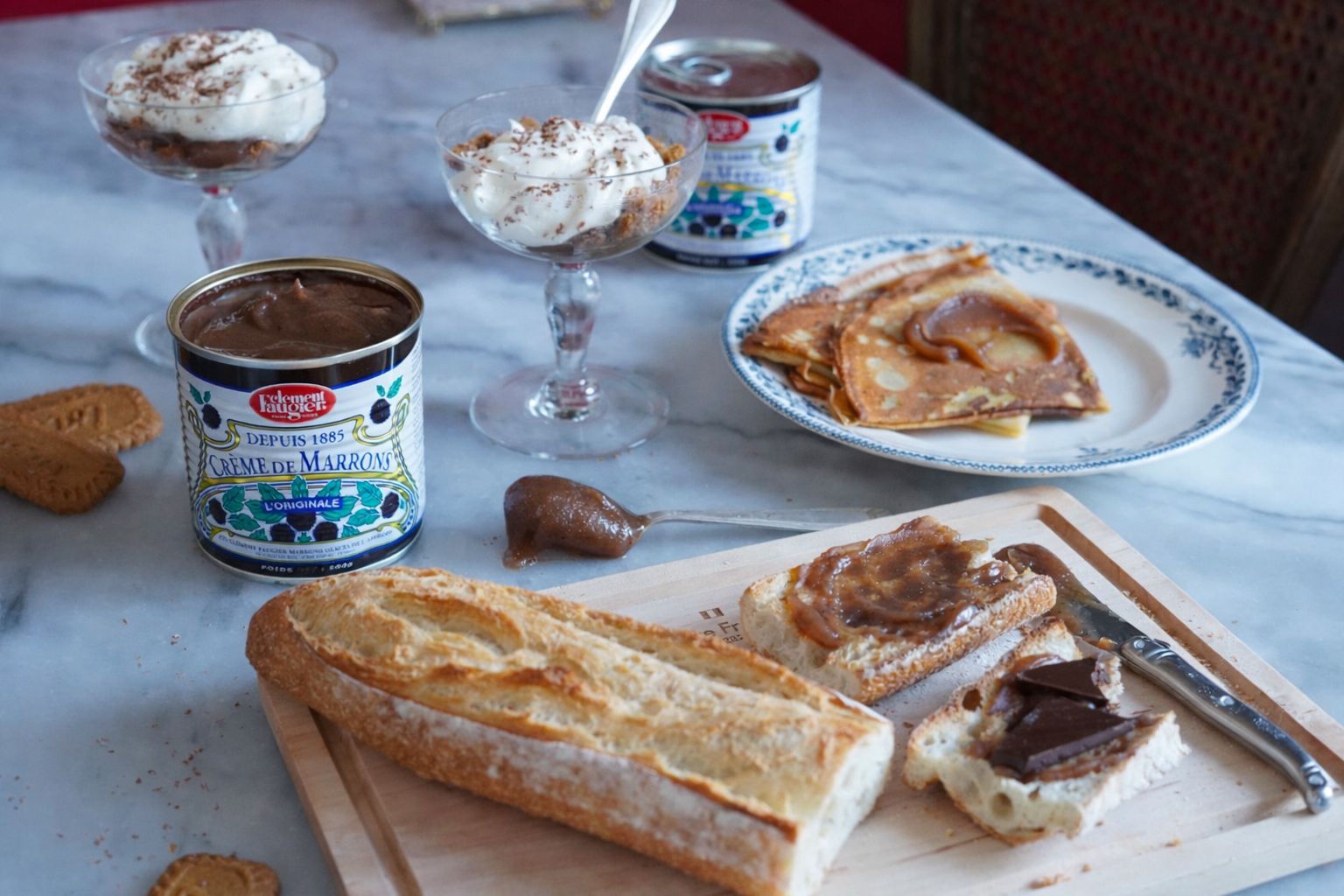
Chestnut Cream from Ardèche: a sweet taste of French tradition
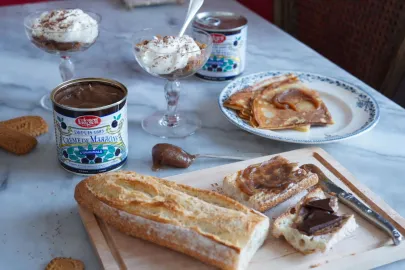
Sweet, creamy and unmistakably French, chestnut cream from Ardèche is one of those regional specialities that deserves to be better known outside France. This sweet speciality combines cooked chestnuts, sugar and vanilla in a smooth, rich spread that can be enjoyed on crêpes, toast or yoghurt, or used in classic French desserts such as Mont-Blanc or chestnut cream fondant. A favourite among French children, it also has a place on the festive table, where chestnut cream is often used in indulgent Christmas and holiday desserts such as the iconic bûche de Noël.
French Kiwi Berry: yes, kiwis are grown in France!
Did you know that kiwis are grown in France? And French producers are going beyond the large green fruit you might already know: French kiwi berries, also known as baby kiwis, are tiny, grape-sized fruits with smooth, edible skin. Sweet, slightly tangy and wonderfully easy to eat, they are produced in the southwest of France and have a short late-summer-to-autumn season. Their small size and unusual appearance make them a fun addition to fruit salads, desserts, breakfast bowls – or simply a snack straight from the punnet.

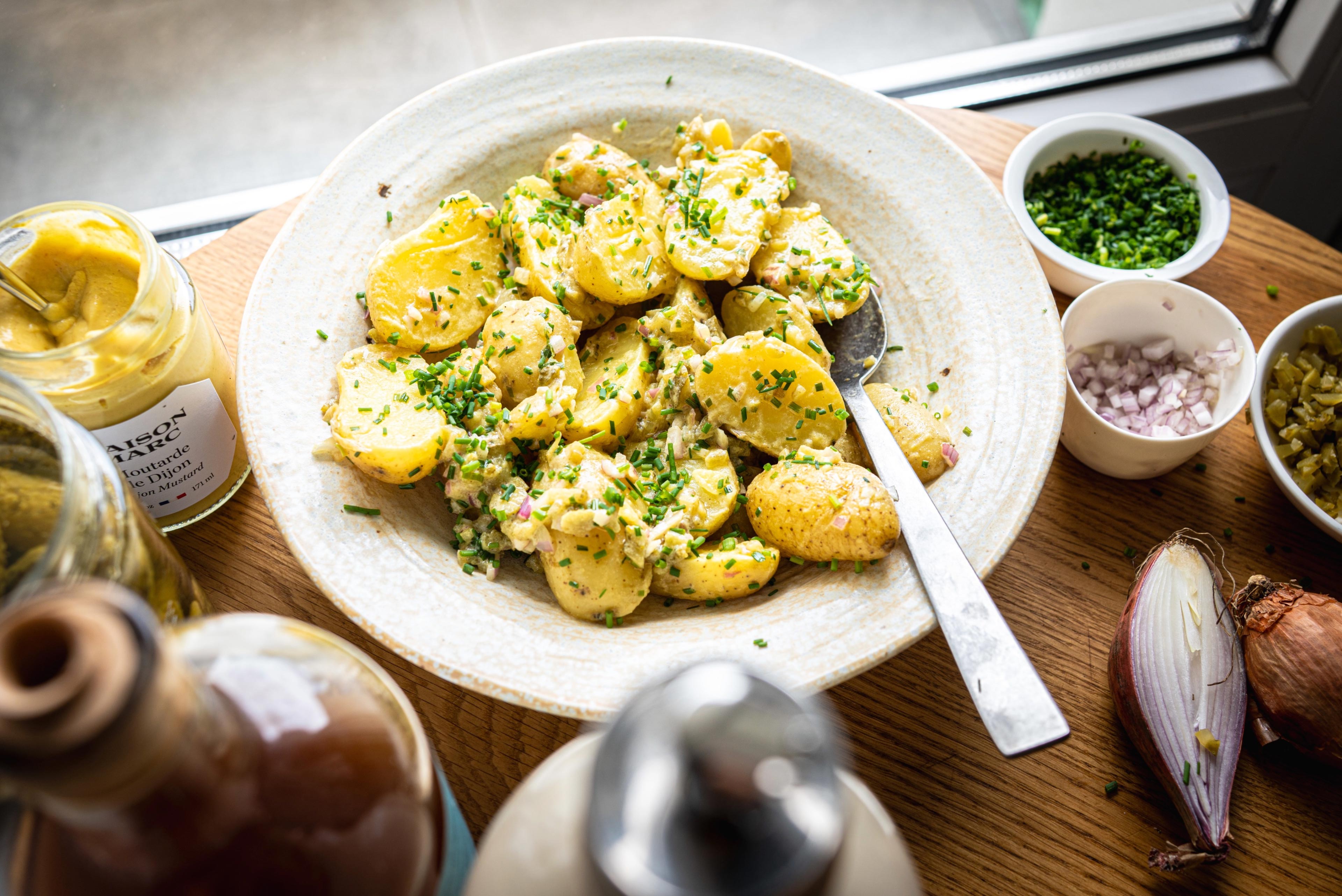
Grenaille Potatoes: small potatoes, big French flavour
French food products are far from all being rare or luxurious. Grenaille potatoes are a perfect example of the simple ingredients that make everyday French cooking so good. These small-sized potatoes have firm flesh and are traditionally cooked whole, with their skins on, making them ideal for steaming, sautéing or roasting. They are also perfect for simple French recipes such as roasted potatoes with rosemary or a traditional French potato salad, where their small size, delicate skin and firm texture really come into their own.
Bouchot Mussels from the Mont-Saint-Michel Bay: a French coastal favourite
Grown on wooden poles known as bouchots in the waters of the Mont-Saint-Michel Bay, these PDO-protected mussels are one of France’s great coastal specialities. Set against the spectacular backdrop of Mont-Saint-Michel, between Brittany and Normandy, the bay provides the perfect setting for mussels with plump, tender flesh and a delicate, slightly sweet flavour. They are a natural choice for classic moules marinières, but French cooking offers plenty of other possibilities too, from creamy mussel casseroles and gratins to generous seafood dishes. And for something a little more unexpected, try them with Morteau sausage and Isigny crème fraîche for a delicious meeting of French land and sea.

Buckwheat Flour from Brittany: the key to a real galette complète
A real galette complète starts with the right flour. Farine de blé noir de Bretagne, or Breton buckwheat flour, is an IGP-protected speciality made from buckwheat grown, stored and milled in Brittany. Despite its name, buckwheat is not a type of wheat but a naturally gluten-free seed, and its earthy, slightly nutty flavour is what gives Breton savoury galettes their distinctive character.

These 10 products are just a taste of the incredible diversity of French terroir – and many are surprisingly easy to bring into your everyday cooking, from a simple French lunch to a regional recipe shared around the table. The list could go on, from Pruneaux d’Agen to Puy lentils and countless other regional specialities are waiting to be discovered. And when exploring French food, keep an eye out for PDO, PGI and Label Rouge quality labels, which will help you identify products whose origins, production methods or traditional know-how are officially protected.

Contributor
Adrian Chiercego
Food Writer
On the same subject
Most popular this week