What is “Goûter”? Afternoon Snacking, the French Way
The French have a reputation as not being very fond of snacking, preferring to take meals at the table. But there is one beloved exception to this rule: goûter. This late afternoon gourmet moment is as beloved by grownups as it is by children. Let us tell you a little more about goûter, where it comes from, and how you can treat yourself to one.

What Exactly is Goûter?
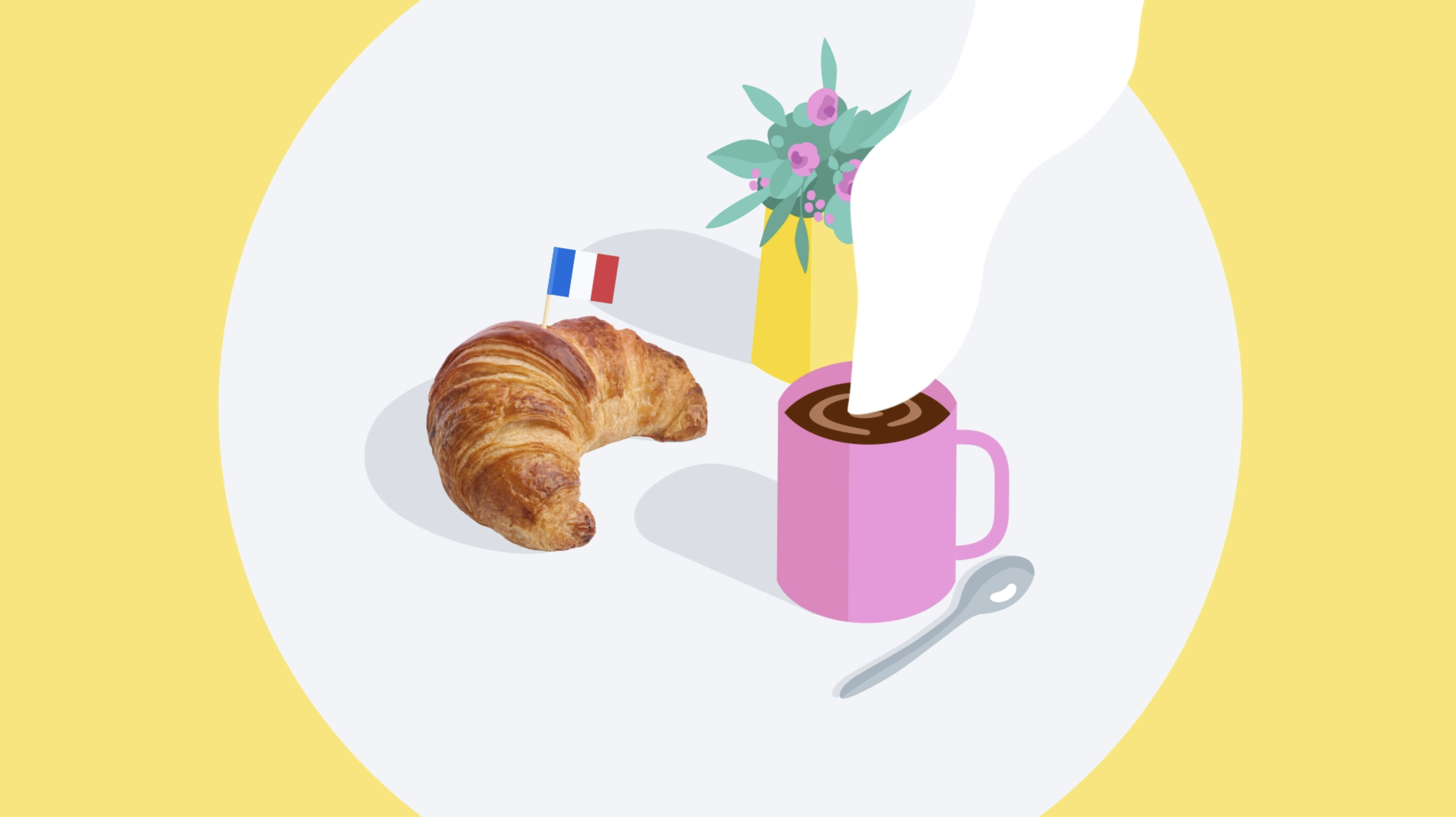
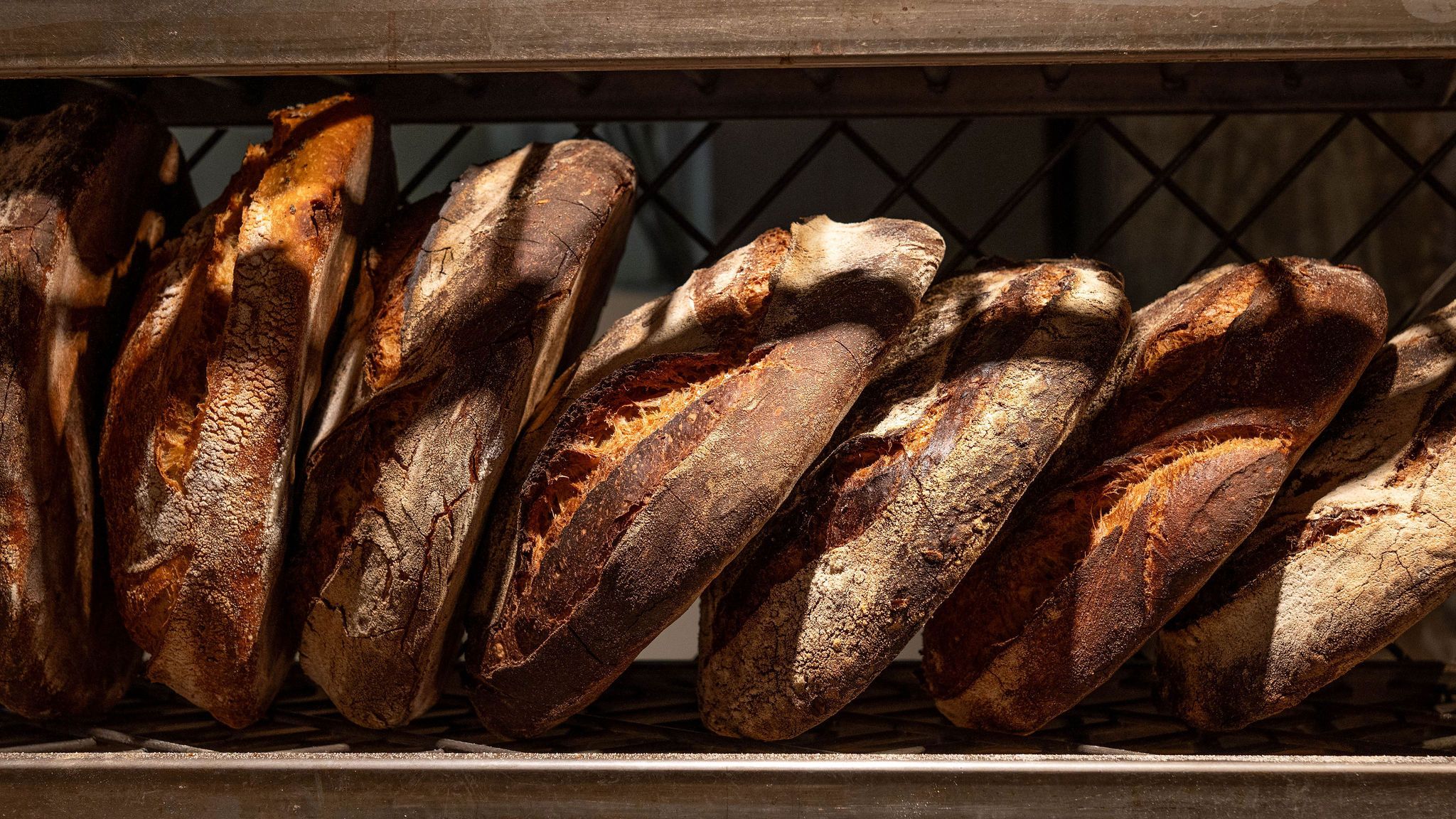
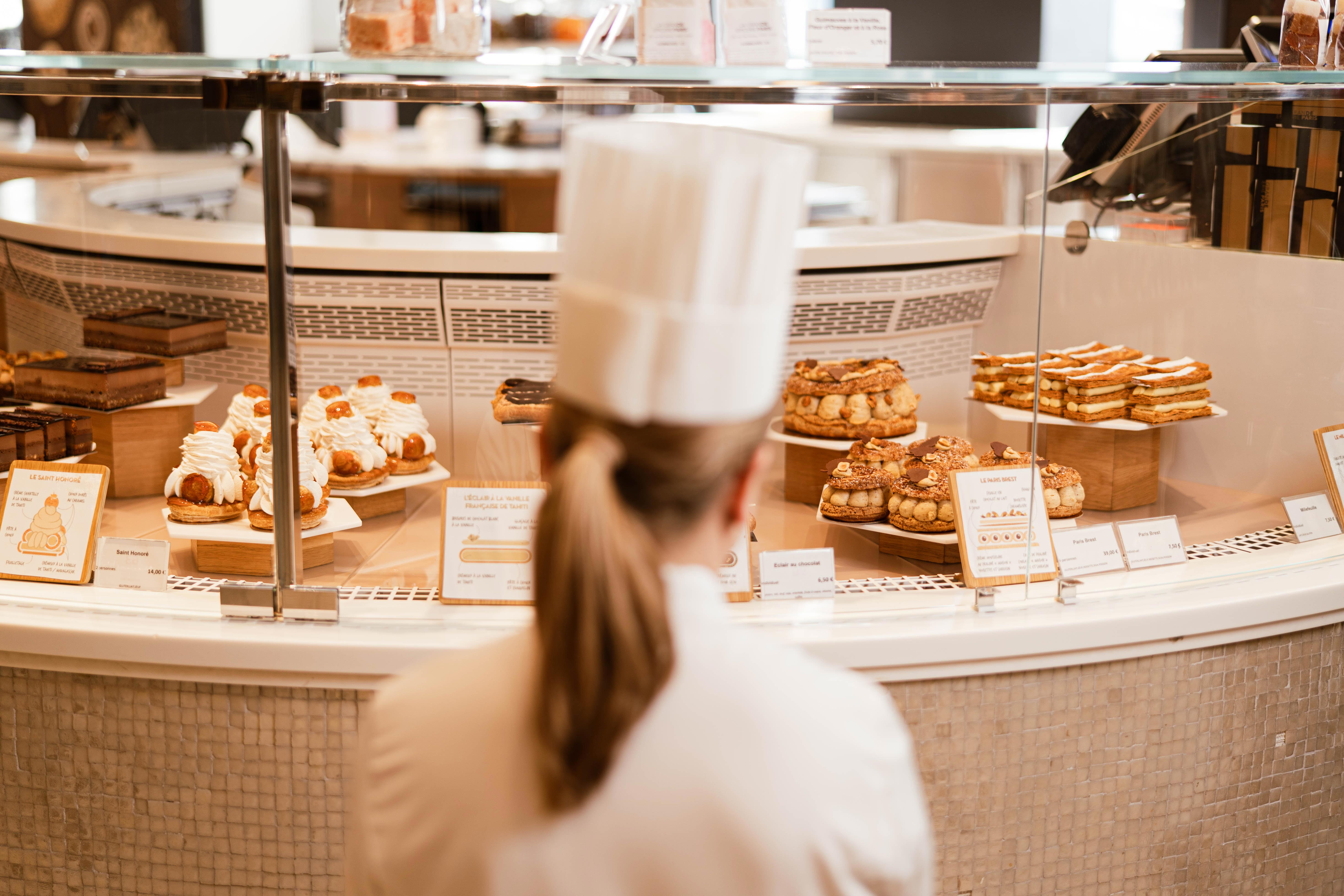
Goûter which literally means “to taste,” refers to a sweet treat eaten in the late afternoon, signaling an important pause at the end of the work or school day. While originally designed to tide over hungry kids until the dinner hour, people of all ages partake in goûter, popping into the boulangerie for small daily indulgence. Popular selections include a croissant or pain chocolat, chausson aux pommes, or brioche with bits of chocolate or praline.
Origins of Goûter
The origins of goûter are somewhat complex, influenced by periods of abundance and scarcity. In the 1800s, upperclass families across Europe adopted the tradition of English teatime, a light, social meal taken in the afternoon, but the tradition was mostly reserved for bourgeois and aristocratic families.
Then, during World War II, food shortages affected communities across France. Food rations were handed out to hungry French schoolchildren at the end of the schoolday, which marked an important nutritional supplement for the country’s youth. In the postwar period, the French government continued the tradition of after-school nourishment, institutionalizing an after-school snack into law in 1954.
Goûter Through the Decades
In the preceding decades, family tastes and food trends shaped the goûter into a bonafide cultural phenomenon. Ask any French person about their personal goûter and watch the nostalgia set in. In the 70’s, a buttered baguette scattered with cacao powder was a ubiquitous goûter snack. Hazelnut and chocolate spreads took over in the 80s and 90s. An array of brightly packaged biscuits and individually wrapped brioches filled school backpacks in the 90s and 2000s. Today, parents and children might swing by the boulangerie for brioche, pain chocolat, eclairs, and other délices.
Not a French Schoolkid? No Problem.
While this writer grew up in the United States without any nostalgic goûter tradition, even as a grownup in France I still find myself drawn to a late afternoon treat. At home, I like to reach for a slice of baguette and stack it with fruit and cheese and maybe a little honey, inspired by these cheese and pear toasts. A copious slice of butter and a homemade seasonal jam, like this fig chutney, does the trick too. While hazelnut spread is everywhere, French chestnut cream is a seriously underrated tartine topping. A fresh madeleine and an afternoon espresso is a singular pleasure, especially when they are fresh out of the oven. You don’t have to be a French schoolkid to appreciate a restorative French afternoon pause. Go ahead and treat yourself!
Contributor

Christian Letourneau
Cook & writer
On the same subject





Most popular this week