
Cannelés are traditional French cakes from Bordeaux with a crisp caramelised crust and a soft custardy centre flavoured with French vanilla and rum. Discover how to make authentic cannelé with our step-by-step recipe and expert baking tips.
Cannelés are one of the great specialities of Bordeaux, instantly recognisable by their small fluted shape and unique texture with its rich, custardy interior enclosed within a thin caramelised crust. These little cakes are believed to date back several centuries, with origins often linked to the convents of Bordeaux, where nuns are said to have prepared early versions using leftover egg yolks from local wine production. At the time, egg whites were widely used to clarify wine and remove impurities from the barrels, leaving large quantities of yolks available for baking. The name cannelé (also spelled with only one ‘n’) is thought to derive from the French word cannelure, referring to the fluted grooves of the moulds traditionally used to bake them. Today, cannelés bordelais have become a true symbol of Bordeaux and are now enjoyed throughout France, often found in French pâtisseries or served as part of a café gourmand.
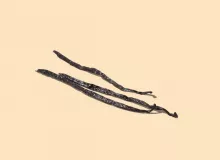
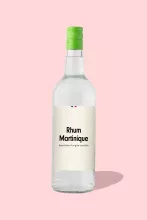
At the heart of a good cannelé recipe are a few carefully chosen French ingredients. Whole milk and French butter give the batter its rich, custardy texture, while French rum – such as the iconic Rhum Agricole from the French Caribbean island of Martinique, made directly from fresh sugarcane juice – adds warm, aromatic depth with delicate sugarcane notes that perfectly complement the caramelised crust. Vanilla also plays an essential role: using good-quality vanilla from Tahiti (French Polynesia) brings floral and slightly fruity aromas to the batter. Combined together, these ingredients create the distinctive flavour that makes Cannelés de Bordeaux so unique.
Although cannelés have a reputation for being technically challenging, they are actually quite straightforward once a few essential techniques are respected. Resting the batter overnight allows the flavours to fully develop while helping create the characteristic texture. The choice of moulds is equally important: traditional copper moulds produce the crispest, most evenly caramelised crust, although metal or sturdy silicone moulds also work well. Baking temperature is another key factor: starting the baking at very high heat (around 464°C) is crucial to create the signature dark, caramelised exterior while keeping the inside soft and custardy. Cannelés are best enjoyed on the day they are baked, ideally a few hours after leaving the oven, when the contrast between the crisp shell and tender centre is at its best.
Preparation time
20 min
Ingredients For
-
2 cups
-
2 oz
-
-
1 cup
-
1 cup
-
x 3
-
Preparation
1
Pour the milk into a saucepan. Split the vanilla pods lengthways and scrape out the seeds. Add both the seeds and pods to the milk along with the butter. Heat gently until the mixture just begins to simmer, then remove from the heat and leave to cool until lukewarm.
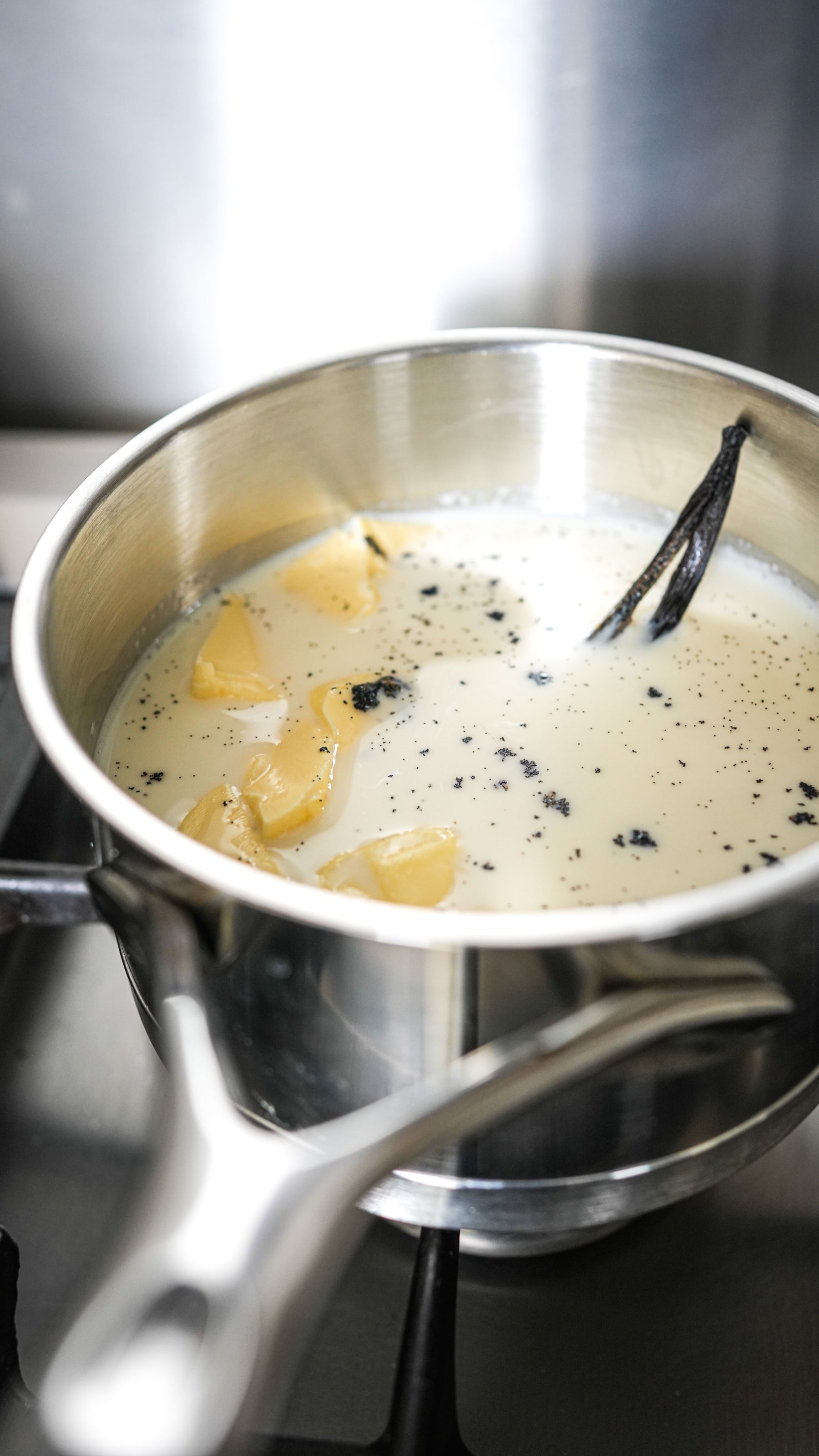
© Myriam Baya
2
In a large bowl, whisk together the eggs and sugar until smooth. Add the flour and mix until fully combined.
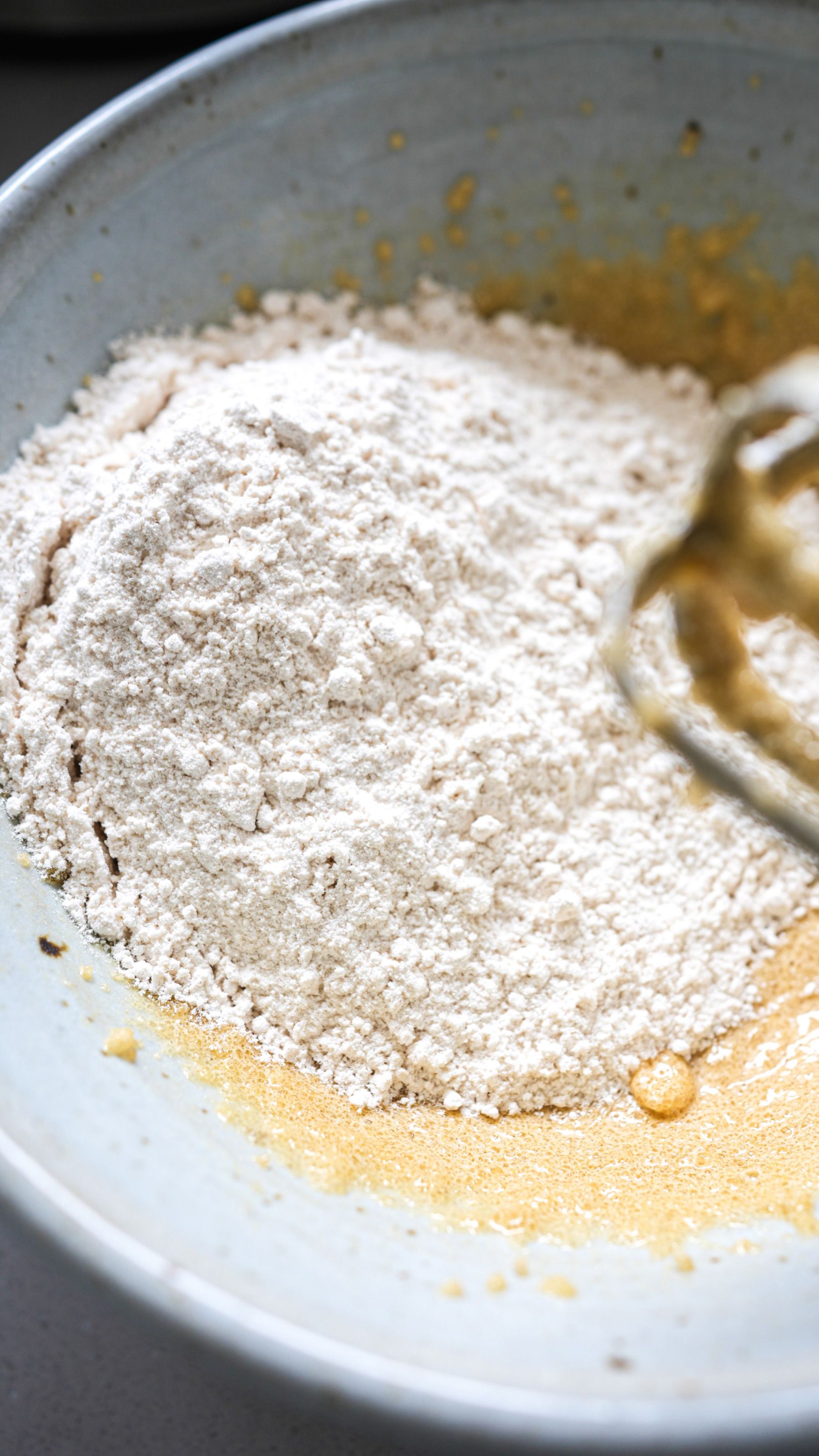
© Myriam Baya
3
Gradually pour the lukewarm milk into the batter, whisking continuously to avoid lumps. Stir in the rum and return the vanilla pods to the mixture.
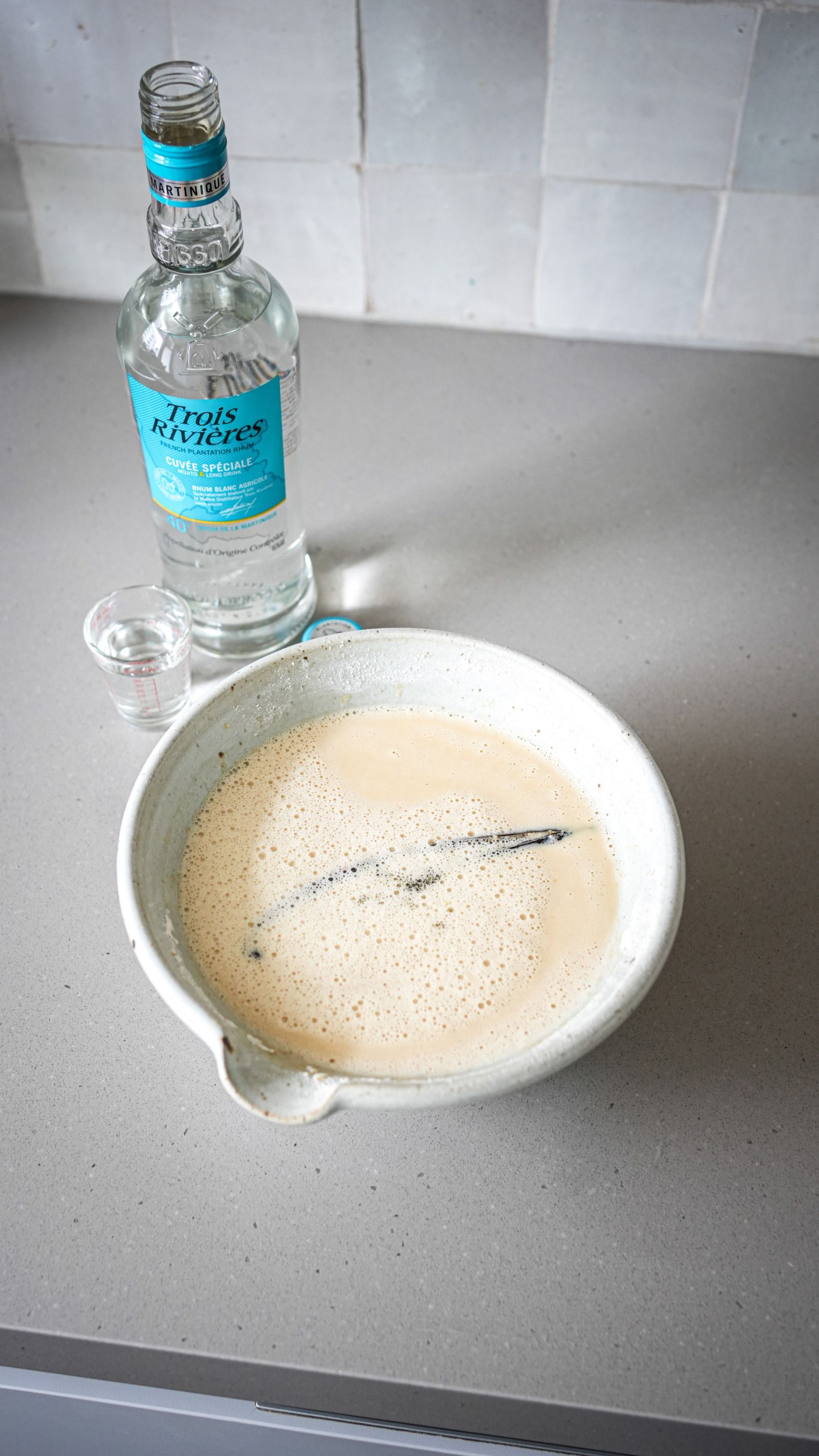
© Myriam Baya
4
Pour the batter into a large jar or airtight container and refrigerate for at least 12 hours, or ideally overnight.
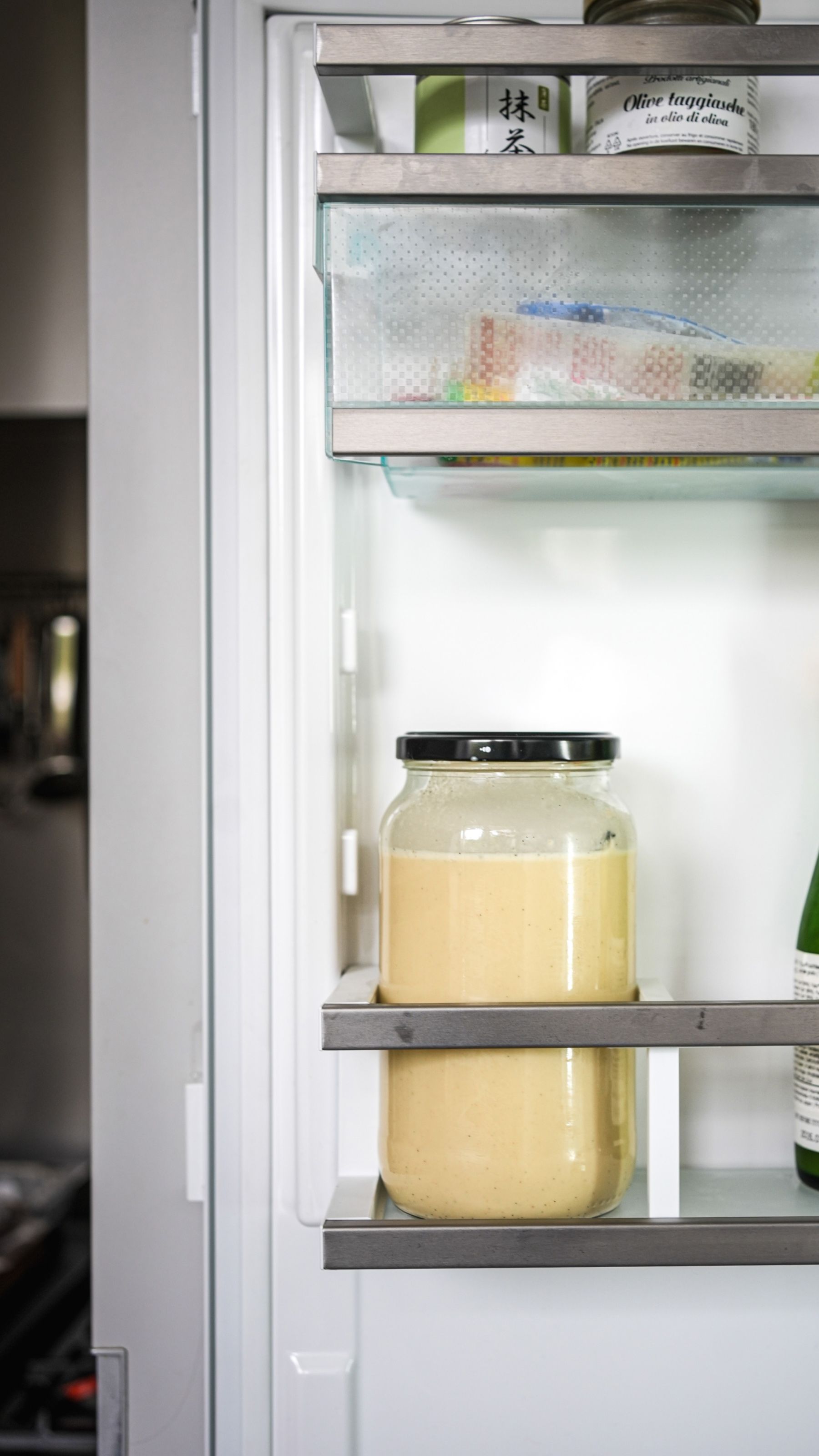
© Myriam Baya
5
Grease the cannelé moulds, then chill them in the fridge for at least 30 minutes. Meanwhile, preheat the oven to 464°F.
6
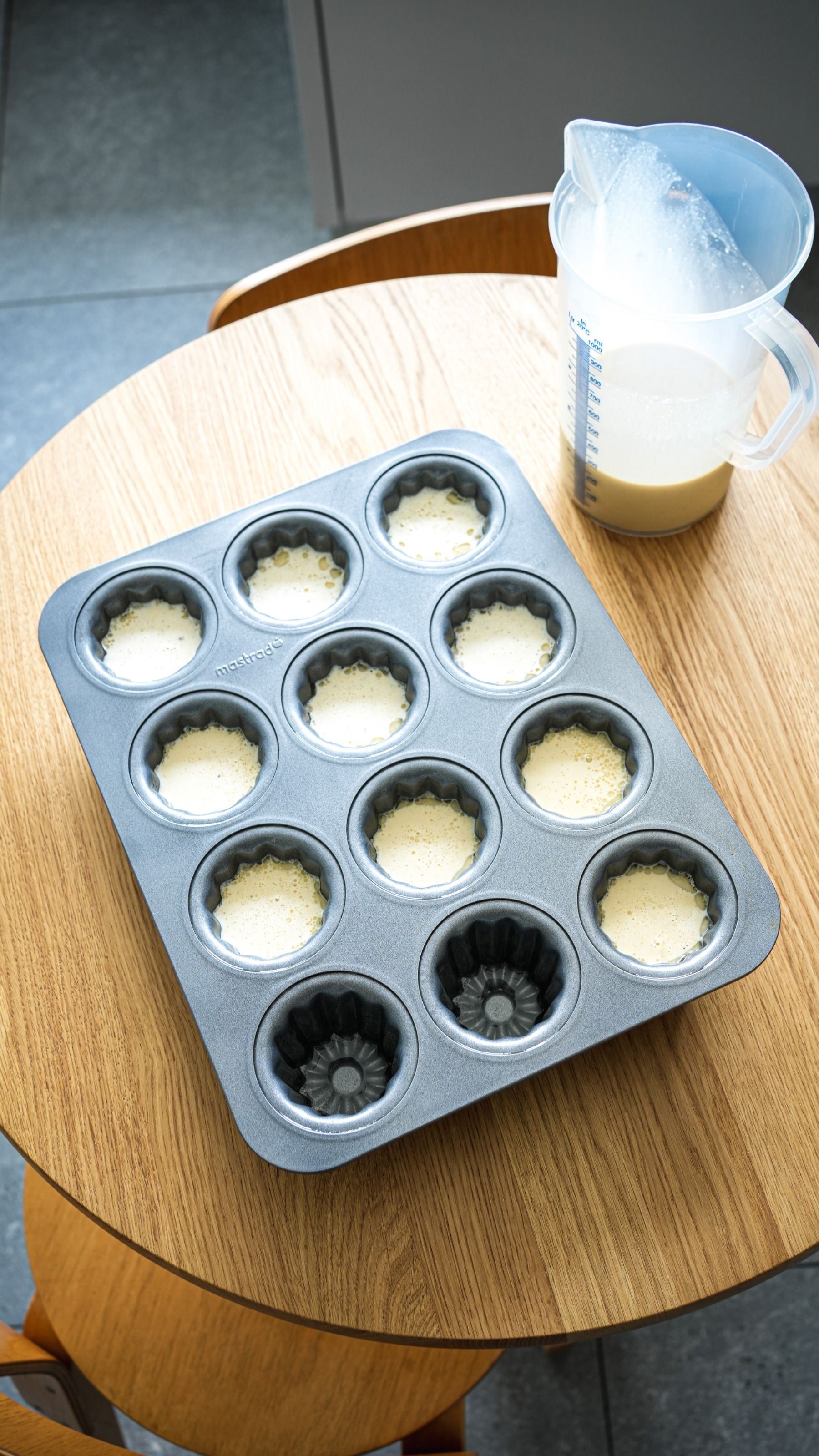
Stir the chilled batter well, then fill the moulds to about 0.4 inches from the top. Place the moulds on a baking tray and bake for 10 minutes at 464°F.
© Myriam Baya
7
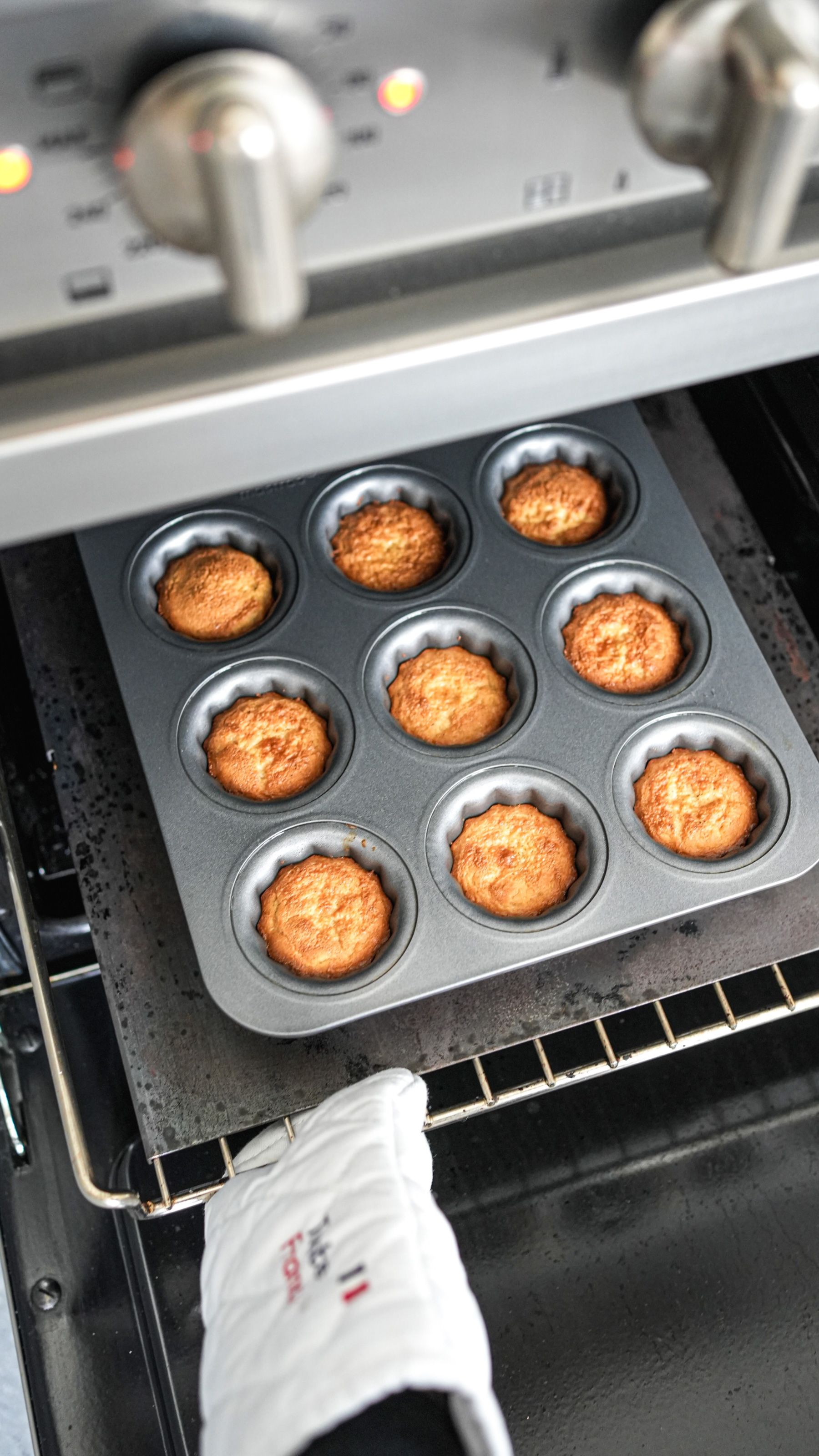
Lower the oven temperature to 356°F and continue baking for about 40 minutes, until the cannelés are deeply caramelised on the outside while still soft in the centre.
© Myriam Baya
8
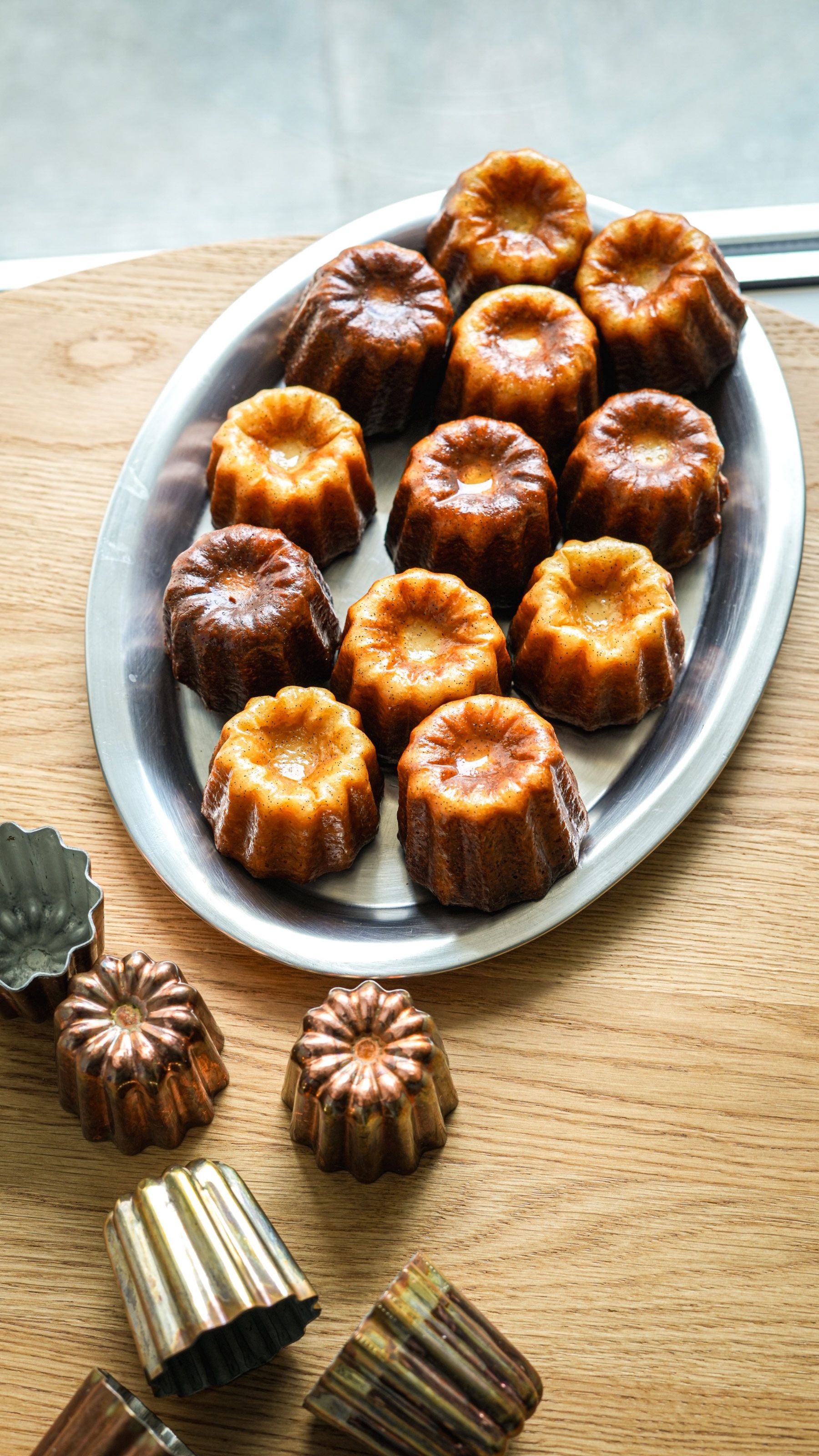
Remove the cannelés from the moulds immediately after baking and leave them to cool on a wire rack. Bon appétit !
© Myriam Baya
Pair with
Cannelés pair beautifully with sweet wines from southwestern France such as Sauternes. They also work wonderfully with a glass of French sparkling wine – such as Champagne or Crémant de Loire – for an elegant afternoon treat à la française.
Contributor

Myriam Baya
Food blogger
Our latest recipes