Easter is the most significant holiday in the Christian calendar after Christmas, and in France, it is one of the most beautiful and meaningful celebration of the year. For most French families, it’s a time to get together, enjoy the first signs of spring, and sit down for a very long, delicious lunch.

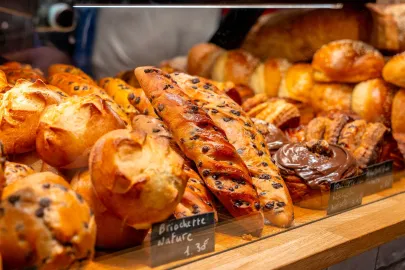
For children, Easter is pure magic. There is chocolate everywhere (as long as they are good at finding it during the egg hunt!) At this time of year, the boulangeries and chocolate shops show off true masterpieces. Their windows often look like tiny art galleries!
However, Easter in France has its own unique traditions. One custom, in particular, always manages to surprise people visiting from other countries.
Why Bells Fly in France (Instead of the Bunny)
A charming part of French Easter folklore centers around church bells. From Good Friday to Easter Sunday, church bells across France fall silent. This silence serves as a mark of mourning leading up to the Resurrection.
Children are told that the bells have "flown to Rome" to be blessed by the Pope. On Easter Sunday, they fly back, carrying sweets and chocolates with them. As they fly over France, they drop chocolate eggs (and more, as you’ll read below) into gardens across the country.
Only when the bells begin to ring again on Sunday morning does the Chasse aux œufs officially begin, marking the most exciting search of the year for the kids.
The “Chasse aux Œufs”: The Great Egg Hunt
As soon as the bells ring out on Easter Sunday, the Chasse aux œufs (egg hunt) begins. Parents secretly hide chocolates and treats in gardens, on balconies, or even in public parks. Children then search for them—often racing to see who can find the most. For many kids, it’s the most exciting and memorable part of the holiday!
In addition to classic chocolate eggs, parents often hide Fritures de Pâques: small chocolate figures shaped like fish or mussels. The fish is an ancient Christian symbol, which is why it remains a staple of the French Easter tradition.
You’ll see this reflected in bakery displays: instead of the Easter bunny, you will primarily see chocolate bells, chickens, and fish.
The French Easter Feast
After the hunt, the family gathers around the table. The Easter meal holds a special place in French culture and is often celebrated over several hours.
Traditionally, one dish takes center stage: lamb. For many families, it wouldn’t be Easter without it. The most popular preparation is the Gigot d’Agneau Pascal, the classic Easter leg of lamb. Slow-roasted in the oven, studded with garlic, and fragrant with rosemary, it becomes incredibly tender.
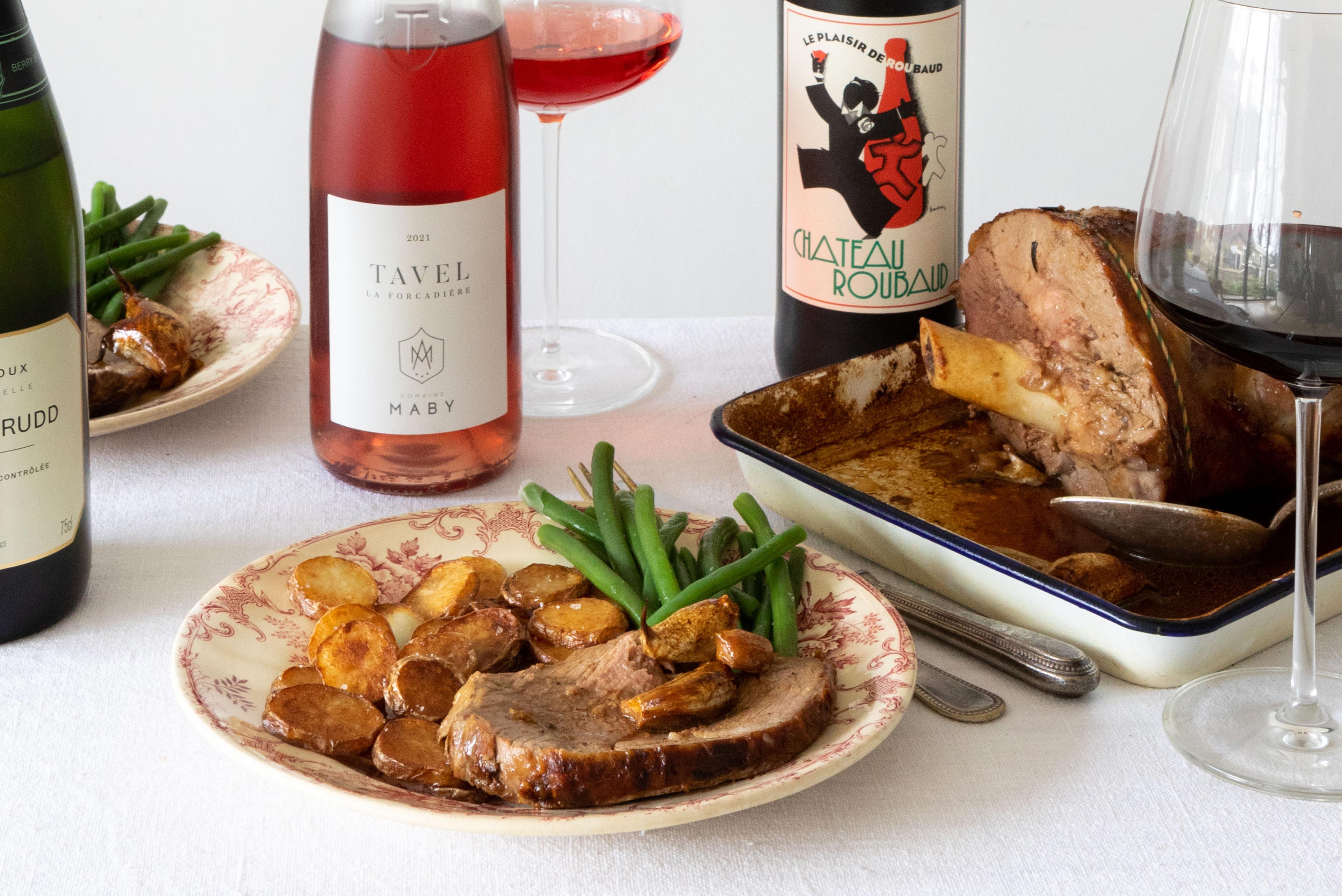
For sides, it is traditionally served with potatoes, such as Gratin Dauphinois or Duchess potatoes. Green beans or asparagus are common sides as well, the latter is also often served as a starter since it is at the peak of its season.
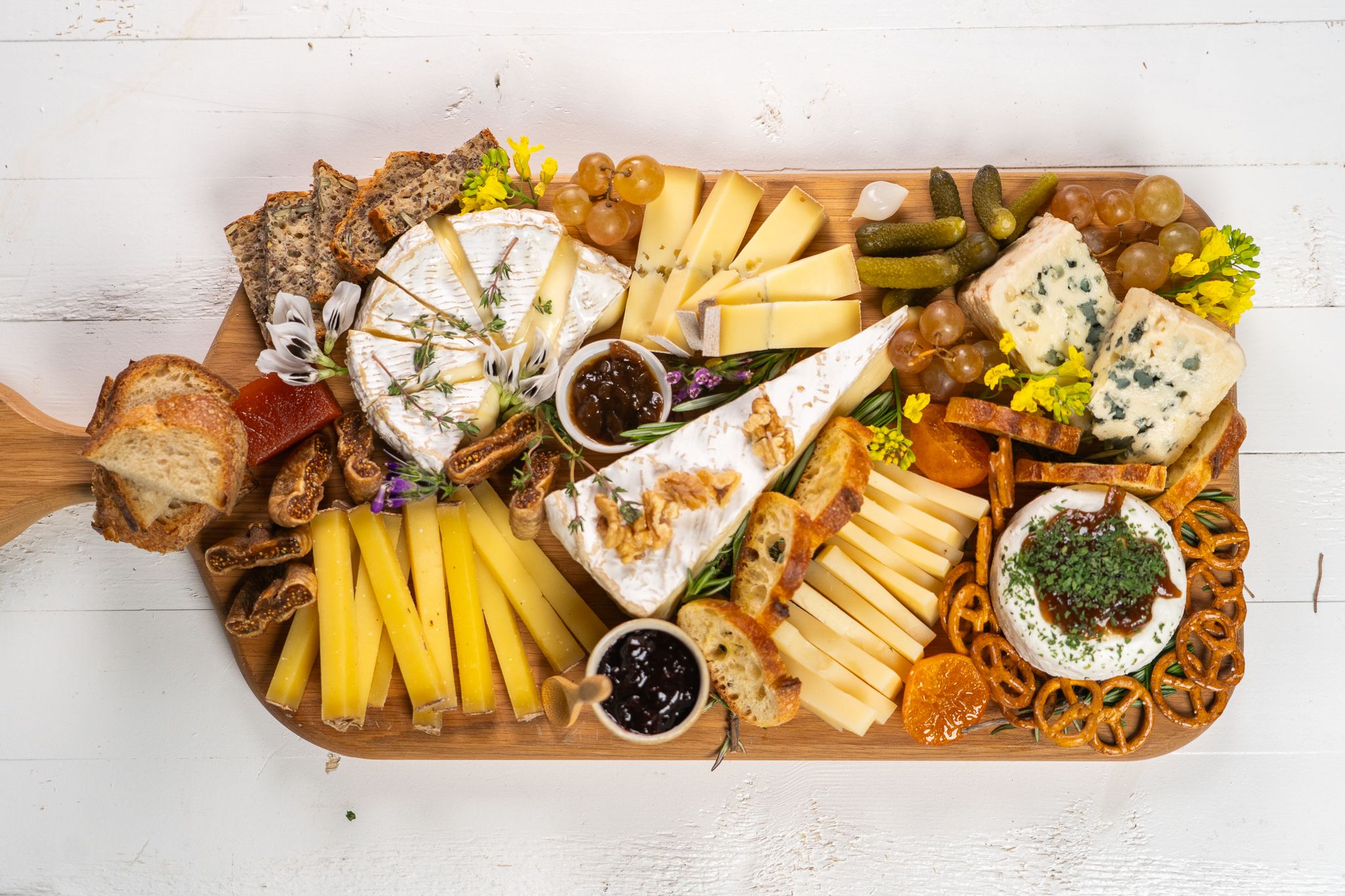
No matter how large the menu, a cheese platter is mandatory at any French celebration. There aren't specific "Easter cheeses," so it’s best to serve a variety of textures: a mix of soft cheeses like Camembert or Brie and hard cheeses like Comté or Mimolette.
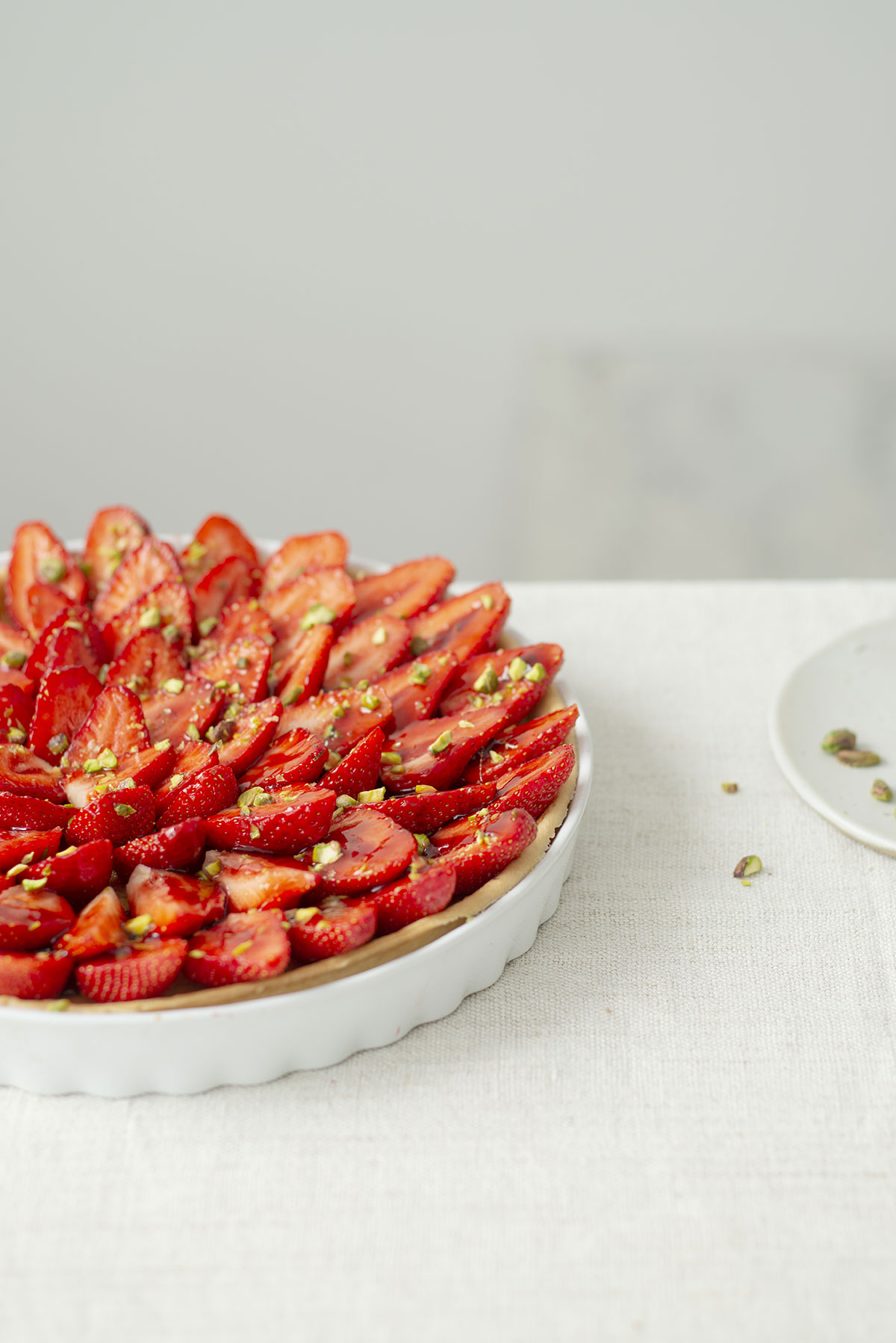
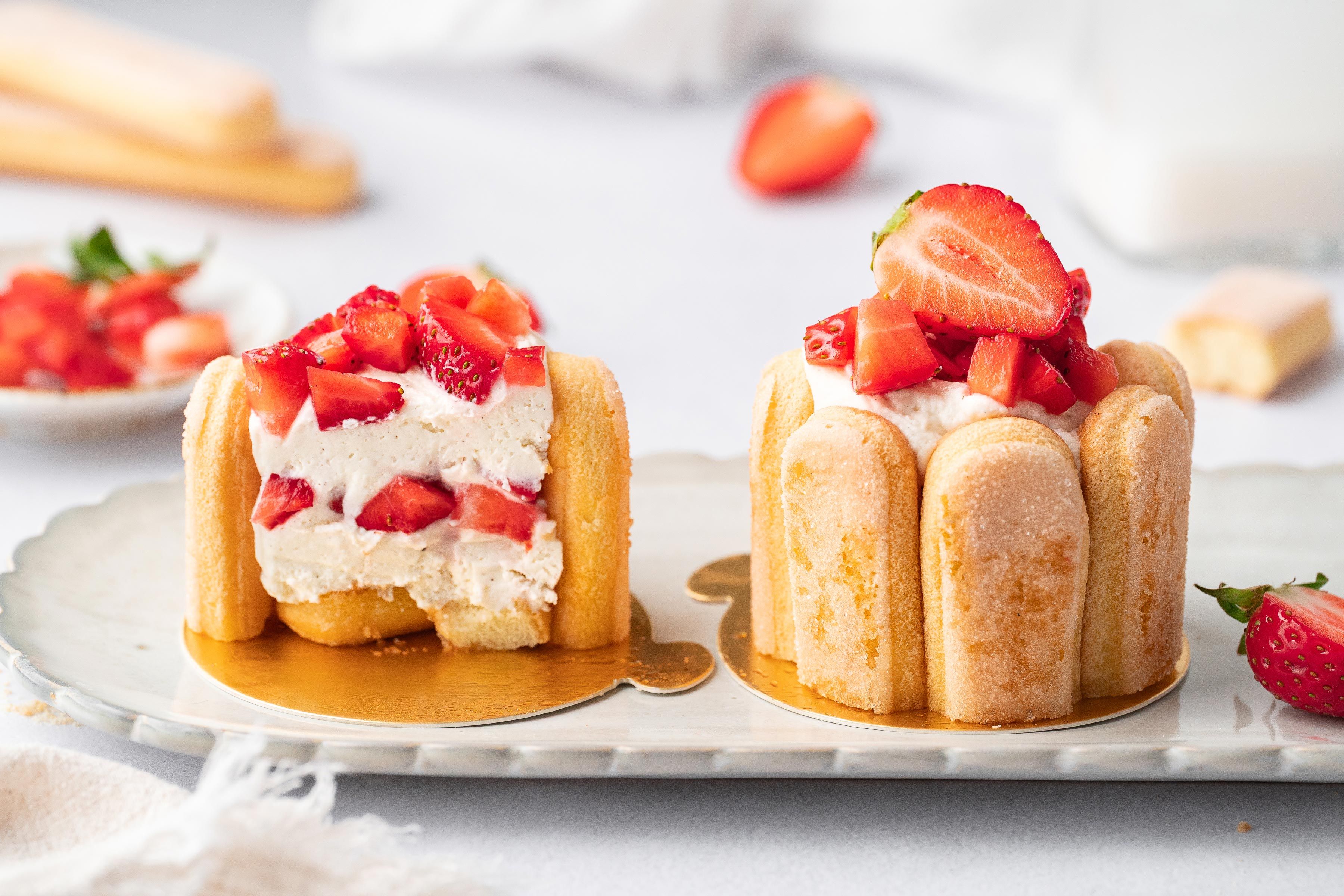
And of course, no French feast ends without dessert. Every family has its own traditions, but usually, you'll find something with strawberries, like a Tarte aux fraises or a Charlotte, a rich chocolate cake, or a little "Easter nest" made of sponge cake and cream.
Sweet Traditions from the Regions
France wouldn’t be France without regional specialities! While chocolate is king everywhere, some areas have preserved very specific traditions.
The Osterlammele (Alsace) In Alsace, people bake the Osterlammele, a light and airy sponge cake in the shape of a lamb. It’s baked in a special ceramic mold, generously dusted with powdered sugar.
The Giant Omelet (Bessières) In the Southwest town of Bessières, a massive omelet made of thousands of eggs is prepared in a giant pan every year. The idea is simple: the community comes together to share this dish with friends, family, and neighbors.
The Cornuelles (Charente) In the Charente region, you’ll find Cornuelles: triangular shortbread cookies with a hole in the center. Traditionally, they were hung from blessed branches on Palm Sunday.
Contributor

Géraldine Leverd
Food Blogger
Tags
On the same subject


Most popular this week